How Poor Insulation Can Increase Your Energy Bills
Poor insulation is an easy way for a home to waste money without you realizing it. When heat escapes in winter and outdoor heat seeps in during summer, your HVAC system has to work overtime. This extra strain boosts energy use, reduces comfort, and can even shorten the life of your equipment. If you're considering practical home upgrades, services like attic insulation and wall insulation can often provide the biggest returns.
Studies show that about 90% of U.S. homes are underinsulated, especially older ones built before modern energy standards took hold. This doesn't just lead to higher utility bills; it also results in rooms that feel too hot, too cold, or uneven. Heating and cooling can account for 50 to 70 percent of a home's energy use, according to the U.S. Department of Energy, making insulation a major player in energy efficiency. To see where your home might be losing the most conditioned air, a simple home energy assessment can be very revealing.
Why Insulation Affects Energy Costs So Much
It slows heat transfer.
Insulation works by resisting heat flow. In winter, it keeps the warm air indoors. In summer, it keeps outdoor heat from invading your living spaces. When insulation is thin, damaged, or missing, heat moves easily through your home, meaning your heating and cooling systems must run longer to keep temperatures stable.
It reduces HVAC runtime.
Every extra minute your furnace or air conditioner runs adds to your energy bill. Poor insulation forces your system to cycle more often because indoor temperatures fluctuate quickly. That's why homes with weak insulation often feel drafty in cold weather and stuffy when it's hot.
It supports year-round comfort.
Energy bills are only half the story. Insulation issues that drive up costs also create comfort complaints like cold floors, hot upstairs rooms, or temperature swings between rooms. A well-insulated home feels more even throughout the day, and that comfort can be just as valuable as the savings.
Signs Your Home Might Be Underinsulated
Uneven temperatures from room to room
If one room always feels colder or warmer than the rest, your insulation might be failing in that area. This is especially common in homes with unfinished attics, older exterior walls, or rooms built over unconditioned spaces. Adding ceiling insulation or upgrading roof insulation can help balance those temperature differences.
Drafts and air movement
Drafts near windows, outlets, attic hatches, or baseboards often mean air leaks and missing insulation. The Department of Energy recommends fixing air leaks before adding new insulation because they work together. If air can move through gaps, even high-quality insulation won't perform well. For more guidance, check out Energy Saver.
High utility bills without a clear reason
If your energy bills are rising but your habits haven't changed, your insulation could be the issue. Older homes may have settled insulation, gaps around framing, or outdated materials. A sudden increase in bills during extreme weather might also mean your home is losing heat faster than it should.
Where Heat Loss Happens Most Often
Attics and rooflines
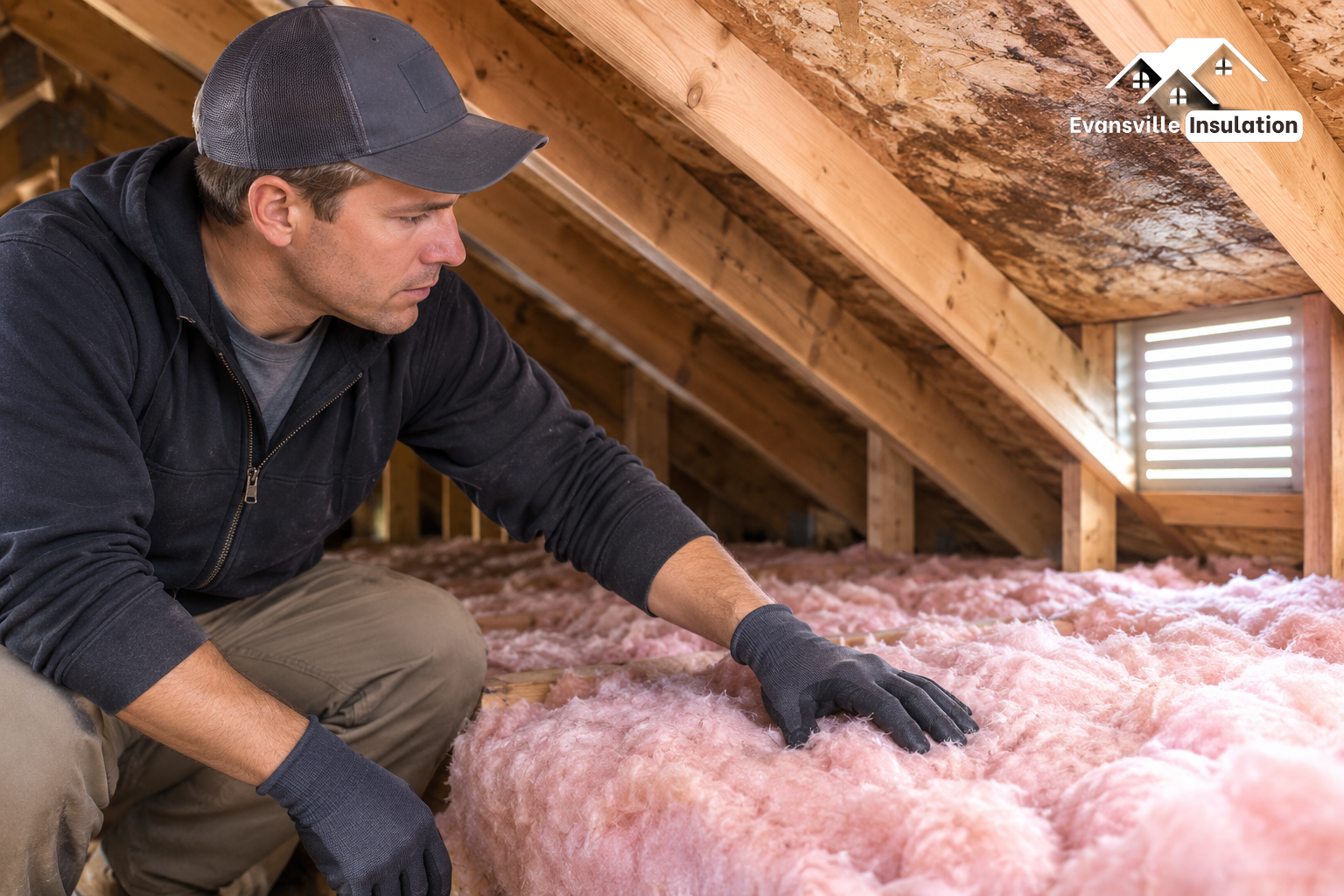
Heat naturally rises, making the attic a key area to insulate. If it's underinsulated, conditioned air escapes quickly, making the home below harder to keep warm in winter. In summer, attic heat can radiate downward and make upper floors uncomfortable. Upgrading attic insulation is often the most effective first step.
Exterior walls
Wall cavities can hide major energy loss, especially in older homes that were never insulated properly. They also have small gaps around wiring and plumbing. Using blown-in cellulose insulation or fiberglass insulation can improve thermal performance significantly.
Floors above unconditioned spaces
Floors above crawl spaces or garages often feel colder because heat escapes downward. This makes the room above harder to heat. Adding insulation beneath the floor can help control temperature and reduce the strain on your furnace.
Gaps around penetrations
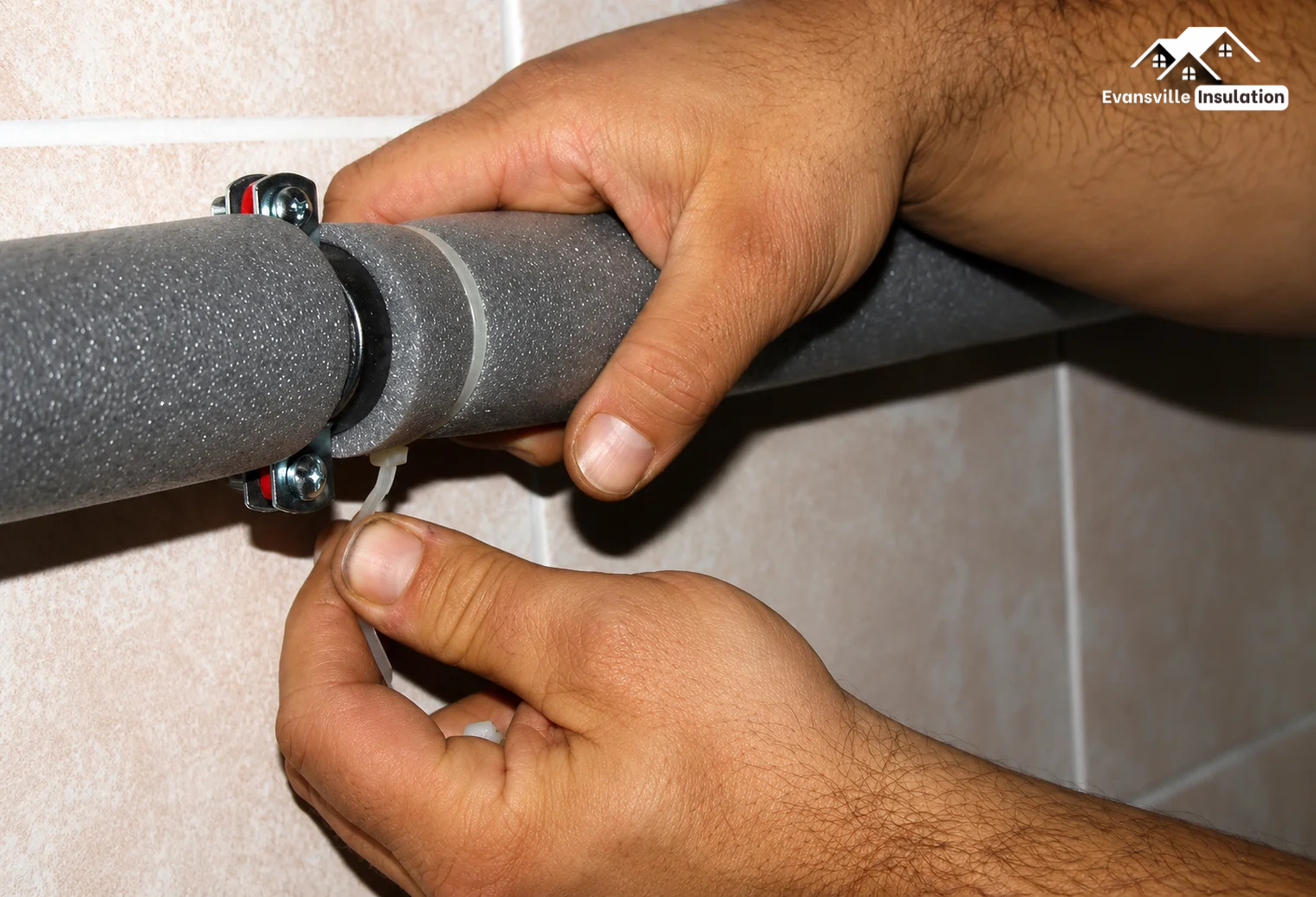
Small openings around pipes, vents, and wiring may seem minor, but they can cause significant air leakage. Products like pipe boot insulation and spray foam insulation are great for sealing hard-to-reach gaps.
Latest Data on Underinsulation
Underinsulation is widespread
According to ConsumerReports.org, roughly 90% of U.S. homes are underinsulated, highlighting how common this issue is. This isn't just a problem for old houses. Even newer homes can have insulation levels below current recommendations.
Attic upgrades can save money.
Studies show that improving attic insulation can reduce energy costs by an average of 11%, especially when air leaks are sealed at the same time. In colder climates, homeowners may see even better results.
R-values matter
The Department of Energy recommends different R-values depending on the climate. In colder areas, attics often need R-49 to R-60, while walls are usually R-13 to R-21. You can find more detailed recommendations from the DOE’s insulation guidance. If your home doesn't meet these levels, it might be losing more energy than you realize.
Why Air Sealing and Insulation Go Hand-in-Hand
Air sealing stops the leaks.
Insulation resists heat flow, but it doesn't stop air movement. If conditioned air is escaping through cracks, the thermal resistance of the insulation is partly wasted. Air sealing closes those gaps so insulation can work effectively.
Installation quality affects performance.
Even the best insulation can underperform if it's poorly installed. A thick layer isn't enough if it's uneven. Professional installation ensures the correct depth, coverage, and fit across your home. That's why many homeowners choose experienced contractors instead of doing it themselves.
Better comfort and fewer temperature swings
When air sealing and insulation are done together, homeowners often see more consistent temperatures and fewer drafts. This is especially helpful in homes with spaces that never seem to match the rest of the house.
Best Insulation Materials for Saving Energy
Fiberglass batts and rolls
Fiberglass is a common choice for walls, attics, and ceilings because it's dependable and cost-effective. When installed properly, it offers strong thermal performance. For homeowners comparing options, fiberglass insulation is practical for many projects.
Blown-in cellulose
Cellulose is a loose-fill material effective at filling irregular spaces and reducing air pathways. It's often a strong option for attics and retrofit wall cavities. Homeowners interested in an efficient retrofit often consider blown-in cellulose insulation for its ability to improve coverage without major demolition.
Spray foam
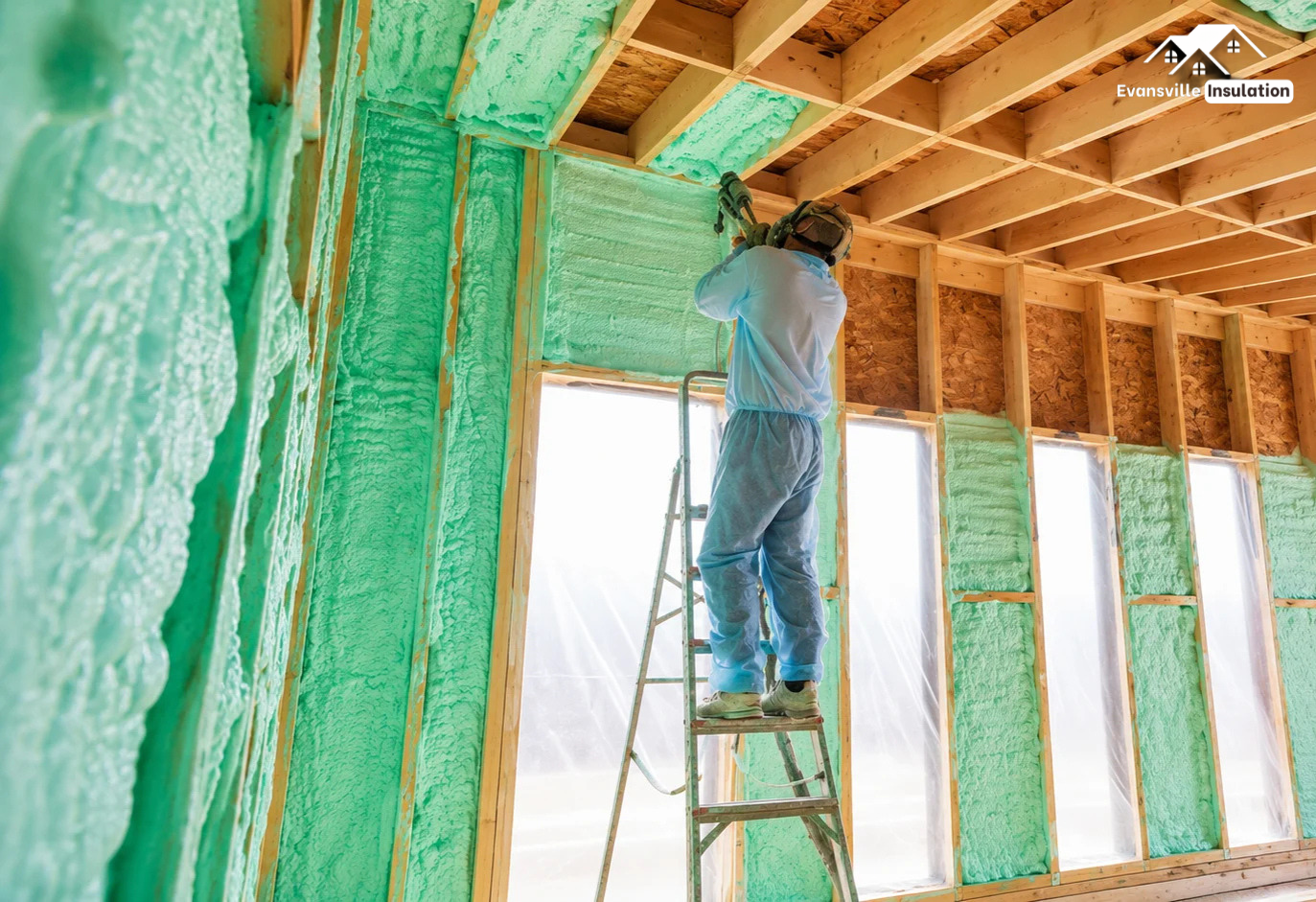
Spray foam provides both insulation and air sealing in one application. It expands to fill gaps and improves resistance to air movement more effectively than some traditional materials. For certain parts of your home, spray foam insulation can provide excellent control over drafts.
Blown-in insulation for broad coverage
For large attic spaces or wall cavities that need quick, even coverage, blown-in insulation is a smart solution. It addresses gaps that are harder to tackle with pre-cut materials.
How Poor Insulation Affects Different Parts of the Home
Attics in hot and cold weather
In winter, attic leaks let heated air escape. In summer, poor insulation allows heat to build up, making air conditioning less effective. Homes with insufficient attic insulation often show the most dramatic seasonal energy use changes.
Walls in older houses
Older homes may have little to no insulation in wall cavities, causing drafts and temperature loss. Wall improvements can be crucial in climates like Indiana, where hot summers and cold winters both demand efficient thermal control.
Basements, crawl spaces, and garages
Spaces beneath or beside conditioned rooms can act like weak points. If they're not insulated correctly, they can pull heat away from living areas, affecting utility bills and comfort.
What Homeowners in Evansville Should Know About Climate and Insulation
Indiana weather creates a year-round need.
Evansville has a humid subtropical climate with hot summers and cold winters. That means insulation isn't just for winter comfort; it has to work throughout long cooling seasons too. Homes that are underinsulated often struggle to stay consistent during spring and fall temperature swings. Upgrades such as attic insulation in Evansville, IN, can make a noticeable difference year-round.
Moisture control matters too.
In humid climates, insulation must also support moisture management. Poorly installed insulation can trap moisture and reduce performance. That's why installation quality matters as much as the material itself.
Older homes need special attention.
Many older homes were built before current energy codes and may have uneven insulation. A professional evaluation can identify whether the attic, walls, or crawl space is losing the most energy. Once those weak spots are corrected, the home often feels quieter and easier to heat or cool.
How to Tell If You Need an Energy Audit
Start with visible symptoms.
If certain rooms feel uncomfortable, utility bills keep rising, or drafts are common, those are signs that an energy audit is worthwhile. Homeowners can start with a DIY assessment, but a thorough inspection often finds hidden issues behind walls or in the attic. The Department of Energy’s DIY home energy assessment guide is a helpful starting point.
Look for insulation gaps and damage.
During an audit, common findings include thin attic coverage, open wall cavities, and air leaks. A thermal camera can reveal where the worst problems are. These findings help prioritize upgrades so your money is spent where it makes the most difference.
Use the audit to build a plan.
A good audit should help you rank problems. In many homes, that means sealing leaks first, then improving attic insulation, then moving to walls or floors above unconditioned spaces. A step-by-step plan usually creates better energy savings than trying to fix everything at once.
Real-World Savings and Comfort Improvements
Example: the cold upstairs bedroom
A common homeowner issue is a bedroom that's too cold in winter and too warm in summer. Often, the problem is weak insulation above the ceiling or in the attic. After upgrading insulation, the room becomes more stable, and the HVAC system doesn't have to work as hard.
Example: the older home with high bills
Homeowners in older houses often see immediate benefits after fixing attic and wall insulation issues. Reports show heating bills dropping by as much as 20% after upgrading attic insulation to the recommended R-value. Combined with sealing air leaks, those savings continue year after year.
Example: comfort plus efficiency
The best results come from projects that combine several upgrades. For instance, a home may benefit from wall insulation, ceiling insulation, and targeted air sealing. The result is a home that feels less drafty, more balanced, and more affordable to operate.
When to Call a Professional Insulation Contractor
When you suspect hidden problems
If you have recurring drafts or unexplained spikes in energy use, a professional can find the true source of the problem. Insulation contractors know how to evaluate your home's envelope, select the right material, and install it correctly.
When the project involves multiple areas
Homes often need more than one upgrade at a time. Attics, walls, floors, and penetrations all interact. Fixing one area alone might not solve the issue. Working with a contractor ensures that the entire system is treated as a whole, not in isolated pieces.
When you want long-term value
Professional insulation work should last, not just be a quick fix. A qualified contractor can recommend the right R-values, materials, and installation methods for your climate and home type. In places like Evansville, where seasonal extremes put constant demand on HVAC systems, that long-term view is important.
FAQs About Poor Insulation and Energy Bills
How much can poor insulation raise my bills?
It depends on the size of your home, climate, and how much insulation is missing, but the impact can be substantial. Since heating and cooling make up a large share of home energy use, even small insulation issues can lead to large monthly losses.
What is the fastest upgrade to consider first?
For many homes, attic insulation is the best first step because heat rises and attic losses are often severe. If air leaks are present, sealing those at the same time usually improves the overall result. This is why attic improvements often show some of the quickest payback.
Can insulation really improve comfort as much as it lowers bills?
Yes. Many homeowners notice comfort changes before they notice the utility savings. Fewer drafts, less temperature swing, and more even room conditions are common after upgrades. For families that spend a lot of time at home, that comfort can be just as meaningful as lower costs.
Take the Next Step Toward Lower Energy Bills
Poor insulation is a hidden expense that affects comfort, HVAC performance, and monthly utility costs. The good news is that it is also one of the most fixable problems in a home. By identifying weak spots, sealing air leaks, and upgrading insulation in the right places, homeowners can improve efficiency and create a more comfortable indoor environment.
If you are ready to make your home easier to heat and cool, Evansville Insulation can help you evaluate your options and choose the best solution for your property. Whether you need blown-in insulation, spray foam insulation, or a full attic upgrade, the right plan can pay off in comfort and savings. Contact our team today to schedule an assessment and take the first step toward lower energy bills.
For more information about energy-saving best practices, you can also review trusted resources from the U.S. Department of Energy and Consumer Reports. With the right insulation strategy, your home can perform better in every season.