Your Go-To Guide for a Quieter Home: Using Insulation to Cut Noise and Boost Comfort
Living with a lot of noise can be more than just annoying. It can mess with your sleep, make it hard to concentrate, and bring stress into your daily life. The solution? Insulation isn't just for keeping your house warm or cool; it can also help block out noise. Whether it's through your walls, ceilings, attics, or floors, the right insulation can make a big difference. So, if you're tired of the racket and want a peaceful home, here's how insulation can help.
At Evansville Insulation, we often guide homeowners in picking solutions that are great for energy efficiency and cutting down noise. If you're weighing options like sound insulation, attic insulation, or ceiling insulation, understanding how each material works with sound is super helpful. In this guide, we'll break down the science of noise reduction, the best materials, and the upgrades that can really change your home.
For more on why sound control is a big deal in building design, check out research from the National Institute of Standards and Technology. Their work applies directly to residential insulation, emphasizing how sealing gaps and adding mass can cut down noise significantly.
Why Insulation Helps Reduce Noise
Sound Waves Need a Path to Travel
Sound travels through the air as waves, but it also moves through your home's structure. If your walls, ceilings, or floors have empty spaces or are too thin, sound passes right through. Insulation helps by absorbing sound energy, slowing down vibrations, and filling those empty spaces that amplify noise. So, when you insulate, you don't just keep the heat in or out; you also keep the noise at bay.
People often notice a huge difference in rooms that were previously under-insulated. While insulated walls won't make your house completely silent, they'll definitely soften voices, footsteps, traffic noise, and more. You’ll likely notice the change right away, especially in bedrooms, home offices, and living rooms.
Mass, Density, and Air Sealing Matter
Reducing noise isn't just about the insulation itself. It's also about combining things like density, mass, and air sealing. Dense materials absorb sound better, and airtight installations prevent sound from sneaking through cracks. That's why materials like spray foam and cellulose are often chosen for soundproofing—they seal gaps effectively, unlike loose or poorly installed options.
The whole setup matters, not just the insulation product. Drywall thickness, decoupling methods, resilient channels, and cavity depth all play a role in blocking sound. So, think of insulation as part of a bigger sound-control plan, not a one-stop fix.
The Best Materials for Acoustic Insulation
Rock Wool and Mineral Wool
Rock wool is a top pick for reducing sound because it's dense, durable, and fire-resistant. It was projected to hold a 42.7% share of the acoustic insulation market by 2025, showing strong demand in both homes and businesses. Its fibrous structure traps sound waves and reduces vibrations, making it a great option for walls, ceilings, and floors.
It's easy to cut and fit, which is why it's often used in home theaters, shared walls, and areas near noisy mechanical systems. If you're comparing it with other materials, rock wool usually outperforms lighter materials with similar thermal ratings.
Cellulose Insulation
Cellulose is another excellent choice if you want better sound control. Experts often recommend it because it's denser than fiberglass and can fit into irregular spaces, covering more completely. According to industry professionals, cellulose can cut air infiltration by up to 40% compared to fiberglass, improving both energy efficiency and sound control.
If you're looking at material options, our blown-in cellulose insulation is a strong fit for attics and wall cavities where thorough coverage is key. It's especially handy in older homes with tricky framing or voids that are hard to cover with batts. That extra coverage can make a huge difference in sound transmission.
Foamed Plastics and Spray Foam
Foamed plastics like polyurethane and polystyrene are gaining popularity because they create effective noise barriers while also helping with air sealing. These materials are particularly useful where you want to reduce drafts, as uncontrolled air movement can carry sound. Spray foam expands to fill small cracks, reducing paths that let sound slip through.
If your home has issues beyond noise, spray foam insulation might be a practical upgrade. It stabilizes temperature and closes off leakage points, contributing to a noticeable reduction in noise transfer when paired with sound-rated drywall or other methods.
Fiberglass and Where It Fits Best
Fiberglass is a popular and reliable insulation product, especially for keeping heat in or out. It's lighter and generally less dense than cellulose or mineral wool, so its noise-reducing capabilities are usually more modest. That said, fiberglass still helps reduce sound when installed correctly in cavity spaces and paired with other upgrades.
If your main focus is overall home comfort rather than maximum soundproofing, fiberglass insulation can be a sensible option. It works well in many standard wall and attic applications, and it can be part of a layered strategy where multiple materials work together to reduce both heat loss and noise.
Where Insulation Makes the Biggest Difference
Attics and Roof Assemblies
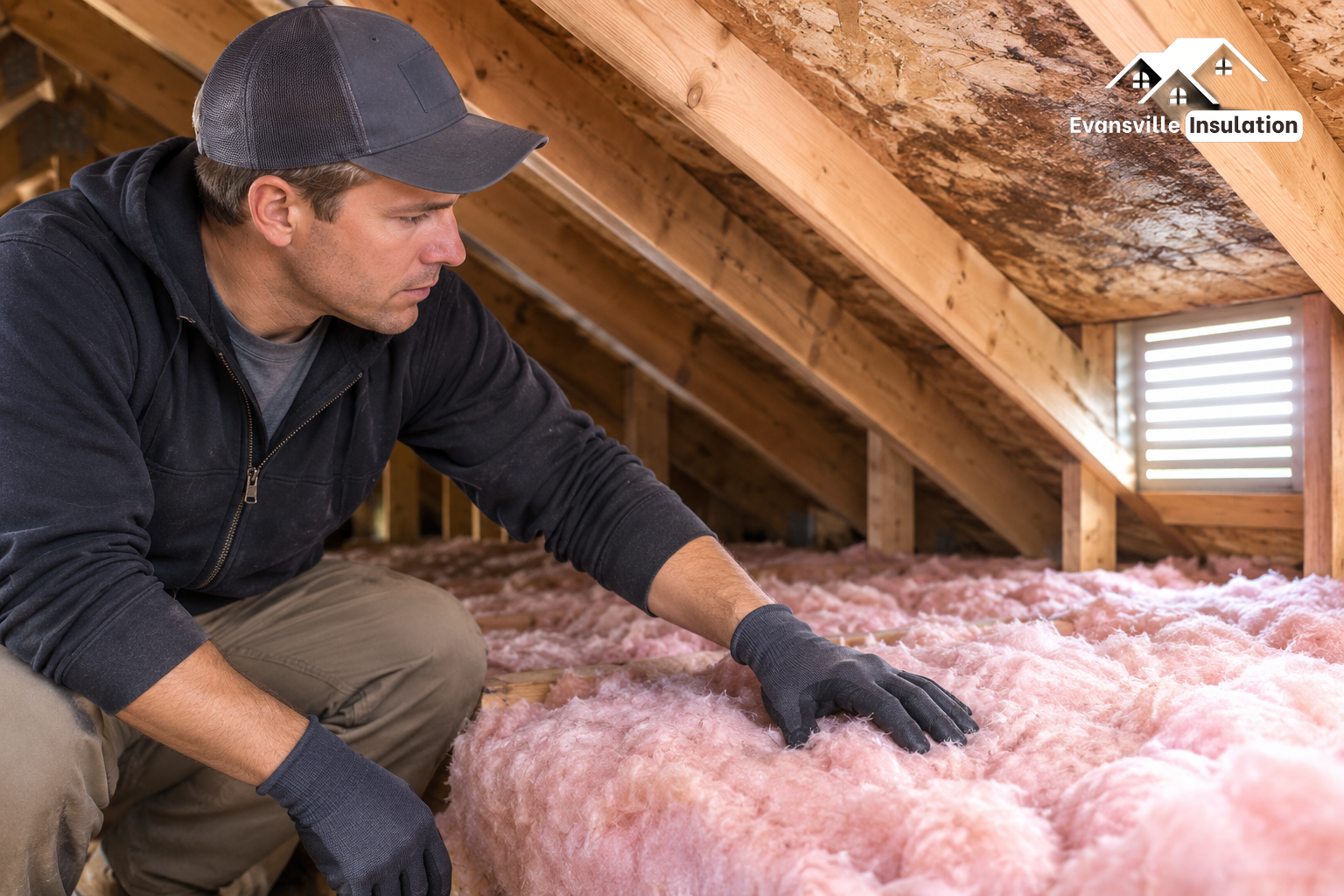
Attics are crucial for noise reduction because they're often right above living areas and can let in a lot of outside noise. Homes with R-38 to R-60 attic insulation experience 15 to 25 dB less interior noise compared to those with little or no attic insulation. This reduction can transform how a house feels, especially in rooms under the roofline.
If you frequently hear rain, traffic, planes, or neighborhood activity, improving attic insulation is often one of the best investments. In some homes, upgrading roof-related assemblies also helps, which is why roof insulation can be part of a broader noise-control plan. The combination of thermal and acoustic benefits makes attic and roof upgrades especially valuable in older homes.
Walls Between Bedrooms, Offices, and Shared Spaces
Interior walls are often where noise problems are most noticeable. Shared walls between bedrooms, bathrooms, nurseries, and home offices can transmit voices, music, and daily sounds if they're under-insulated. Adding the right wall insulation can soften these sounds and improve privacy.
Our wall insulation solutions are designed to reduce drafts while quieting living spaces. When combined with sound-rated drywall, caulking, and proper sealing around outlets and penetrations, wall insulation can create a much calmer indoor environment. This is especially important in homes where multiple people work or study at different times.
Ceilings and Floors in Multi-Level Homes
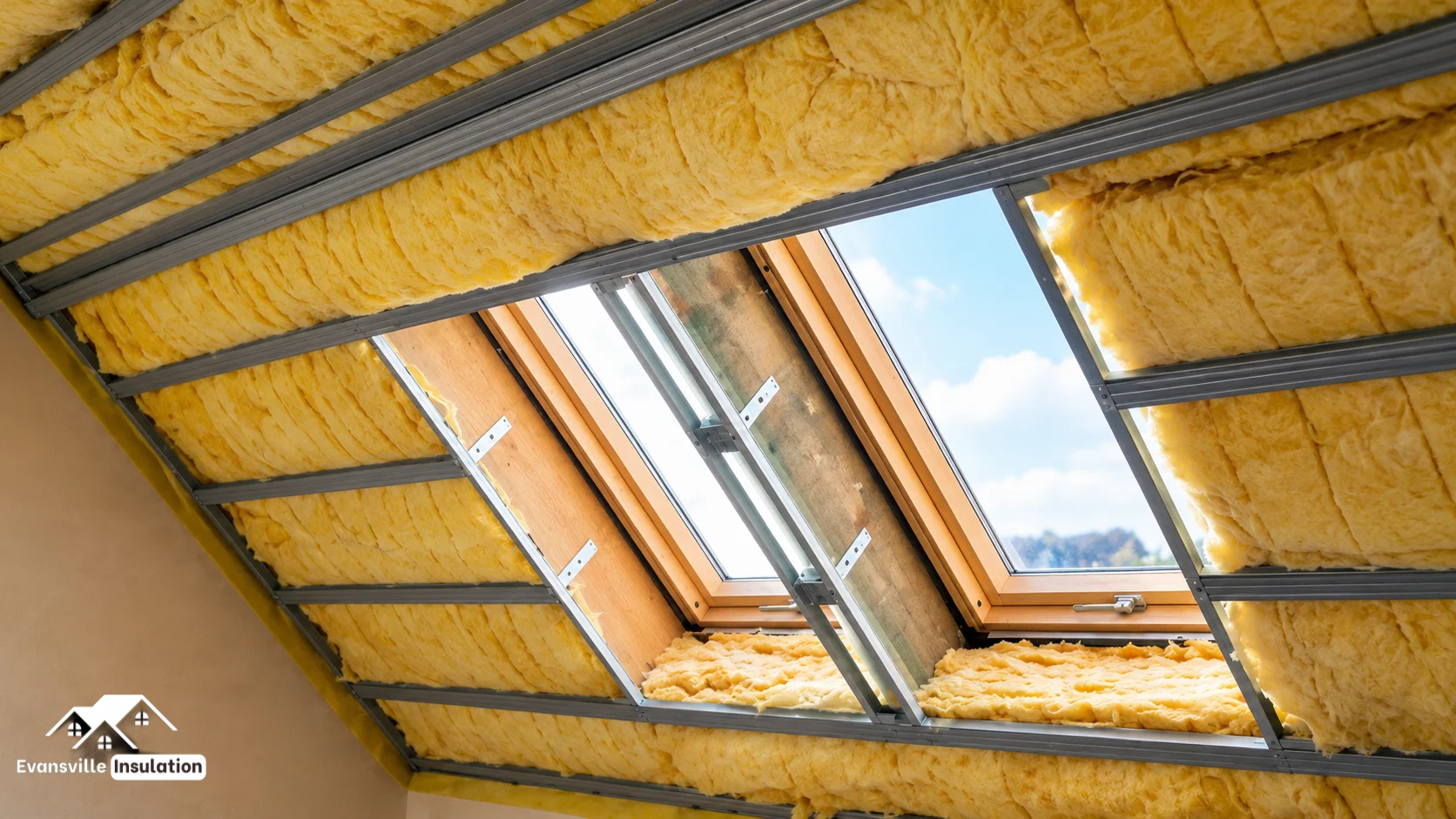
In multi-story homes, footsteps, dropped objects, and moving furniture can cause noise to travel through ceilings and floors. Insulation in these areas helps absorb vibration and reduce airborne sound, but the full assembly matters just as much as the material choice. That's why ceiling treatments often work best when insulation is paired with resilient channels or additional drywall layers.
If you're dealing with sound from an upper floor, ceiling insulation can be crucial. It's especially useful in bedrooms below living rooms, bonus rooms above garages, and condos or townhomes where sound transfer is a common concern. The right ceiling strategy can make a home feel much more private and peaceful.
Comparing Cellulose and Fiberglass Insulation
Density and Air Infiltration
One common question is whether cellulose or fiberglass insulation is better for soundproofing. Generally, cellulose does better because it's denser and more effective at reducing air infiltration. Fiberglass can still help, but its lighter structure doesn't absorb as much sound energy as densely packed cellulose.
The takeaway is simple: if noise control is your priority, cellulose often has the edge. If you're more focused on thermal performance and budget, fiberglass may be the way to go. The best choice depends on the specific room, the type of noise, and your home's construction.
Coverage and Fit in Irregular Spaces
Sound often leaks from places that are hard to see, like gaps around framing, outlets, and oddly-shaped cavities. Cellulose conforms more easily to irregular spaces, creating more complete coverage. That's one reason contractors often recommend it for improving both acoustic and energy performance in older buildings.
Fiberglass batts need careful installation to avoid gaps, compression, or voids that reduce effectiveness. If the fit is poor, both thermal and acoustic performance can suffer. For reliable coverage, blown-in insulation can be a smart option because it fills cavities more evenly than traditional methods.
Trends in Creating Quieter Homes
Rising Demand for Acoustic Comfort
More people are asking for quieter homes as they spend more time working, studying, and relaxing at home. Sound control has become part of how a home supports productivity and well-being. This trend has led many to look beyond basic insulation and choose materials that also improve sound control.
Products like rock wool and foamed plastics are gaining popularity because they dampen sound and are easy to install or come with fire resistance. Homeowners increasingly want solutions that make a visible difference in daily comfort, not just lower heating and cooling costs. This trend is likely to continue as more homes serve multiple purposes.
Sound Control and Energy Savings
Noise reduction and energy savings often go hand in hand because they both depend on sealing and denser assemblies. Insulation that reduces air leaks also limits paths for sound to travel, making your home quieter and more energy-efficient.
For more on how building materials affect performance, check the U.S. Department of Energy for guidance on insulation and energy savings. While the focus is often on thermal benefits, the same principles support sound control: fewer gaps, better coverage, and smarter material choices.
Real-World Example: Quieting a Multi-Level Condo
The Problem
Take a three-story condo from the 1970s, where the homeowner dealt with constant noise from upstairs. Footsteps, voices, and daily movement made the space feel less private. Both airborne noise and vibration were problems, so a simple fix wouldn't cut it.
The homeowner needed a thorough solution that improved the entire ceiling assembly. That meant upgrading the insulation, adding mass, and reducing sound transfer through the ceiling structure. This example shows why diagnosing the noise source is key before choosing a fix.
The Solution
The final solution included SONOpan panels over the existing ceiling, resilient channels, and multiple drywall layers. This combination significantly cut down the noise from upstairs neighbors and improved comfort in the condo. It's a strong example of how insulation works best as part of a bigger acoustic plan rather than alone.
If you're facing similar issues, a contractor can help decide whether to focus on ceiling upgrades, wall treatments, or both. Sometimes, improving one area delivers a bigger change than trying to fix the whole house at once.
How Contractors Choose the Right Insulation for Noise
Finding the Sound Source
Professional contractors look at where the noise comes from before suggesting materials. Outdoor traffic, voices, footsteps, HVAC equipment, and room-to-room noise all behave differently. That means the best insulation choice isn't the same for every home.
Airborne noise usually responds well to dense insulation and air sealing, while impact noise often needs decoupling and added mass. That's why experienced contractors evaluate the full assembly instead of recommending the same product everywhere. The right plan is based on the actual problem.
Matching Materials to the Assembly
Some areas benefit from cellulose, while others might do better with mineral wool or spray foam. In older homes, upgrading might require a combination of products to close hidden gaps. A contractor might recommend blown-in cellulose insulation in walls, sound insulation in shared partitions, or spray foam insulation where air leakage is a big concern.
The key is not treating every noise problem the same way. What works for a quiet bedroom may differ from what works for a mechanical room or garage ceiling. Tailored recommendations usually deliver better results and value.
Best Practices for a Quieter Home
Start with the Biggest Noise Sources
Not every sound problem needs a major renovation. Often, the first step is identifying the most disruptive noise source and tackling that area first. Bedrooms near busy streets, offices near family rooms, and ceilings below active areas are often where you should start.
Once you've set priorities, it's easier to decide whether attic, wall, or ceiling insulation will make the biggest difference. If you want to cut drafts and noise at the same time, wall insulation and attic insulation are often strong starting points for phased upgrades.
Seal Gaps Before Adding Insulation
Even the best insulation won't work well if sound can leak through cracks or poorly sealed spots. Before adding new insulation, inspect your home for openings around pipes, wiring, vents, lighting, and framing transitions. These details can make a surprisingly large difference.
That's why pipe boot insulation and related air-sealing solutions matter. They help block common paths for air and sound movement. The same goes for any area where the building envelope is interrupted by penetrations.
Think About Comfort as a System
A quiet home isn't usually the result of one material alone. It often comes from a system of good insulation, proper sealing, thoughtful construction, and the right finishes. When these work together, your home feels calmer, more private, and more efficient.
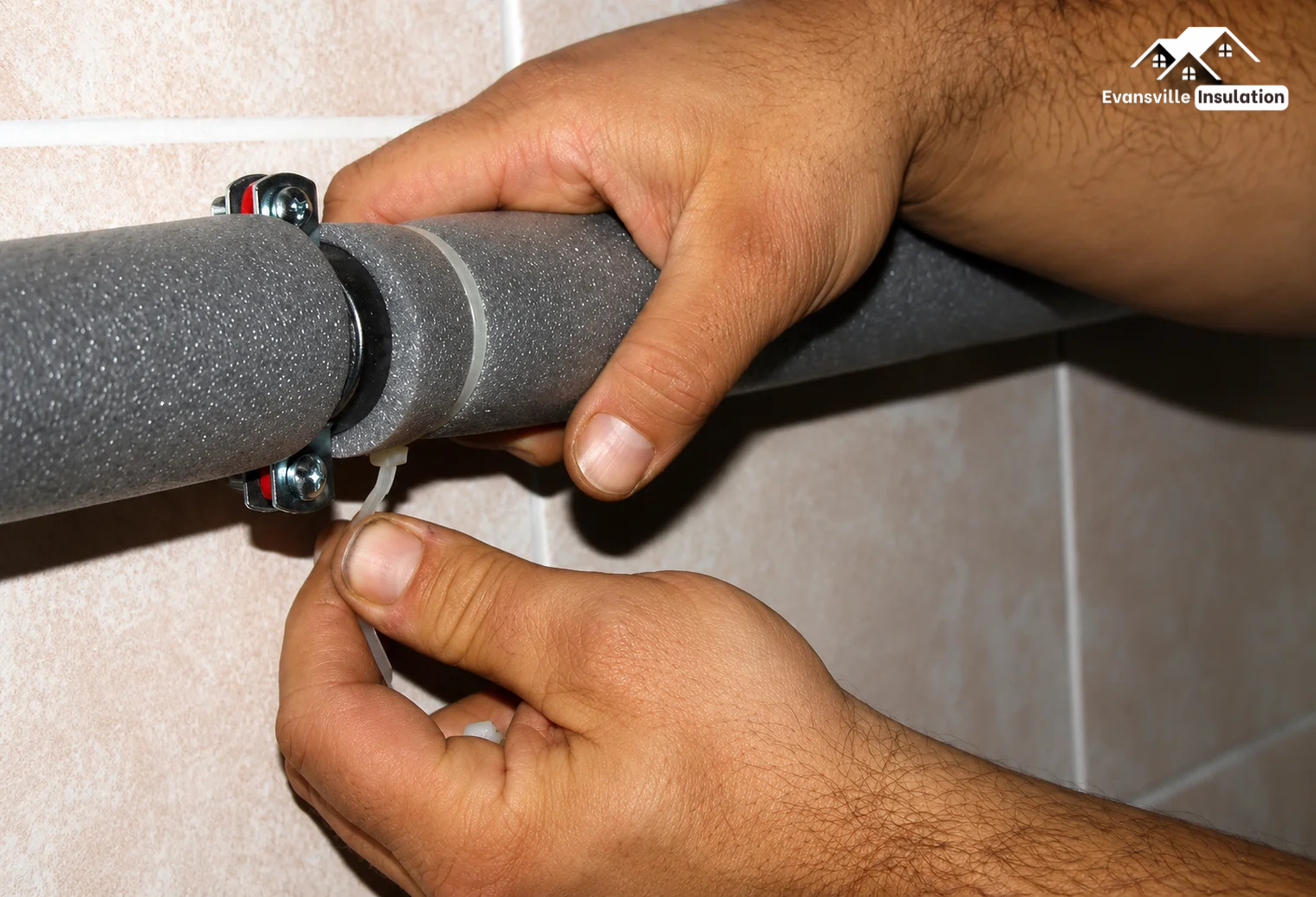
For homes with exposed lines or utility areas that contribute to temperature loss and noise, pipe wrapping can help by reducing heat loss and protecting vulnerable spots. While it's not a primary soundproofing solution, it's a good example of how a whole-home approach improves comfort.
Frequently Asked Questions About Insulation and Noise Control
How Does Insulation Reduce Noise?
Insulation cuts noise by absorbing sound waves, limiting vibrations, and filling spaces that would otherwise let sound travel freely. Dense materials tend to do better because they slow down sound energy more effectively. Air sealing is also crucial because even small gaps can carry a surprising amount of sound.
Is Cellulose Insulation Effective for Soundproofing?
Yes. Cellulose is considered effective for soundproofing because it's denser than fiberglass and can fit into irregular spaces. That means it often blocks more sound and helps reduce air infiltration simultaneously, improving both acoustic and thermal performance.
Can Insulation Improve Energy Efficiency Too?
Absolutely. Better insulation reduces air leaks, stabilizes indoor temperatures, and lowers HVAC strain. This means your home can become quieter while also becoming more efficient and possibly cheaper to run.
Do I Need a Full Renovation to Reduce Noise?
Not necessarily. Many homes benefit from targeted upgrades in the attic, walls, or ceiling rather than a full remodel. A professional assessment can help you identify the most effective place to start.
Choose a Quieter, More Comfortable Home
Noise control is often an overlooked benefit of quality insulation, but it can dramatically improve how your home feels. Whether it's footsteps above, traffic outside, or voices traveling through walls, the right insulation strategy can create a calmer, more private, and more comfortable environment. When combined with proper sealing and thoughtful installation, insulation becomes a powerful tool for both acoustic comfort and energy performance.
If you're ready to explore the best options for your home, Evansville Insulation can help you compare materials, evaluate problem areas, and choose a solution that fits your goals. Learn more about our ceiling insulation, roof insulation, and sound insulation services to start building a quieter home today. You can also check out trusted guidance from the U.S. Environmental Protection Agency and the ENERGY STAR program for more on efficiency-focused home improvements.