How Insulation Can Make Every Room Cozier
Imagine walking into any room in your house and feeling just the right temperature, no matter the season. That's the magic of proper insulation. It helps keep your home comfy all year long by balancing temperatures and cutting down on wasted energy. Have you ever noticed a room that's always too chilly or too hot? Insulation might be the solution you need. It not only helps with comfort but also trims your utility bills. Pair it with services like attic insulation and wall insulation to see even better results.
Insulation does more than just keep you warm or cool. It helps your HVAC system work better, cuts down on drafts, and even makes your home quieter. According to the U.S. Department of Energy, insulation and air sealing are top upgrades for boosting home efficiency. Heating and cooling usually gobble up a big chunk of household energy. For a deep dive into energy-saving tips, check out the U.S. Department of Energy’s insulation guidance. Let's explore how insulation works, the materials that perform best, and why tackling each room individually is the way to go.
Why Insulation Matters in Every Room
It Helps Control Heat Flow
Heat naturally travels from warm areas to cool ones, so your home is always trying to balance out. Insulation slows this process, keeping the air you've heated or cooled right where it should be. This means your winter warmth doesn't escape too fast through the attic, walls, or roof, and summer heat doesn't sneak in as quickly. The result? Steadier temperatures and less stress on your HVAC.
It Boosts Comfort, Not Just Efficiency
Many folks think of insulation as just an energy-saver, but the real joy is in the comfort. Rooms feel less drafty, surfaces are less chilly, and you won't see wild temperature changes throughout the day. If one room in your home always feels off, consider targeted upgrades like ceiling insulation or roof insulation to even things out and make your whole home more livable.
It Supports Healthier Indoor Conditions
While insulation isn't a replacement for good ventilation, it can help keep moisture out, which is crucial for comfort, building materials, and air quality. When paired with proper air sealing, insulation reduces outdoor air infiltration, helping your home feel more controlled and less at the mercy of the weather.
How Insulation Works with Air Sealing and HVAC
Start with Air Sealing
Before you add more insulation, make sure to seal up any gaps or leaks around windows, doors, plumbing, attic hatches, and other openings. Air sealing is key because if air can move freely, insulation can't do its job well. Experts say air sealing can significantly reduce waste and lower energy bills by keeping conditioned air from escaping. Check out the DTE Energy weatherization guide for more tips on combining sealing and insulating for better results.
It Helps HVAC Systems Work Smarter
If your home lacks adequate insulation, your HVAC system has to work overtime to maintain temperatures. This results in uneven room temps, higher bills, and unnecessary wear on your equipment. A well-insulated home allows your furnace and AC to run more efficiently because the conditioned air stays put longer. This means fewer hot and cold spots and more consistent comfort throughout the day.
Smart Thermostats Function Better in Insulated Homes
These days, many homeowners combine insulation improvements with smart home technologies. But smart thermostats, zoning systems, and indoor sensors can only do their best when the building's insulation is up to snuff. If your insulation is lacking, the tech will keep reacting to temperature swings instead of preventing them. That's why modern comfort plans often start with "the shell" of the house before moving to tech upgrades.
Best Materials for Room-by-Room Comfort
Spray Foam for Sealing and Thermal Resistance
Spray foam insulation is great because it expands to seal gaps and provides strong thermal resistance. It's a smart choice for areas where air leakage is a big issue, like rim joists, attics, and hard-to-reach wall cavities. Since it controls both air movement and heat transfer, spray foam is particularly effective in homes with comfort issues coming from multiple directions.
Blown-In Insulation for Quick, Even Coverage
Blown-in insulation is handy when you want to fill spaces more evenly, especially in attics and some wall cavities. It can reduce gaps that older insulation systems miss and improve comfort without requiring major tear-downs. Homeowners often opt for cellulose or fiberglass blown-in applications, depending on their structure and goals.
Fiberglass, Cellulose, and Rigid Foam Boards
Fiberglass insulation is a reliable pick for many wall, ceiling, and attic applications, offering solid thermal performance at a reasonable cost. Blown-in cellulose is appreciated for settling into cavities well and limiting small air leaks. Rigid foam boards are used where high thermal resistance is needed in a thinner profile. Each material has its purpose, so an experienced contractor will choose based on the room, climate, and existing construction.
For a side-by-side on insulation types, R-values, and application differences, Consumer Reports is a good resource. Remember, the best insulation isn't always the thickest—it's the one installed in the right place with the right air-sealing support.
Room-by-Room Priorities for Better Comfort
Attics: The Biggest Comfort Gap in Many Homes
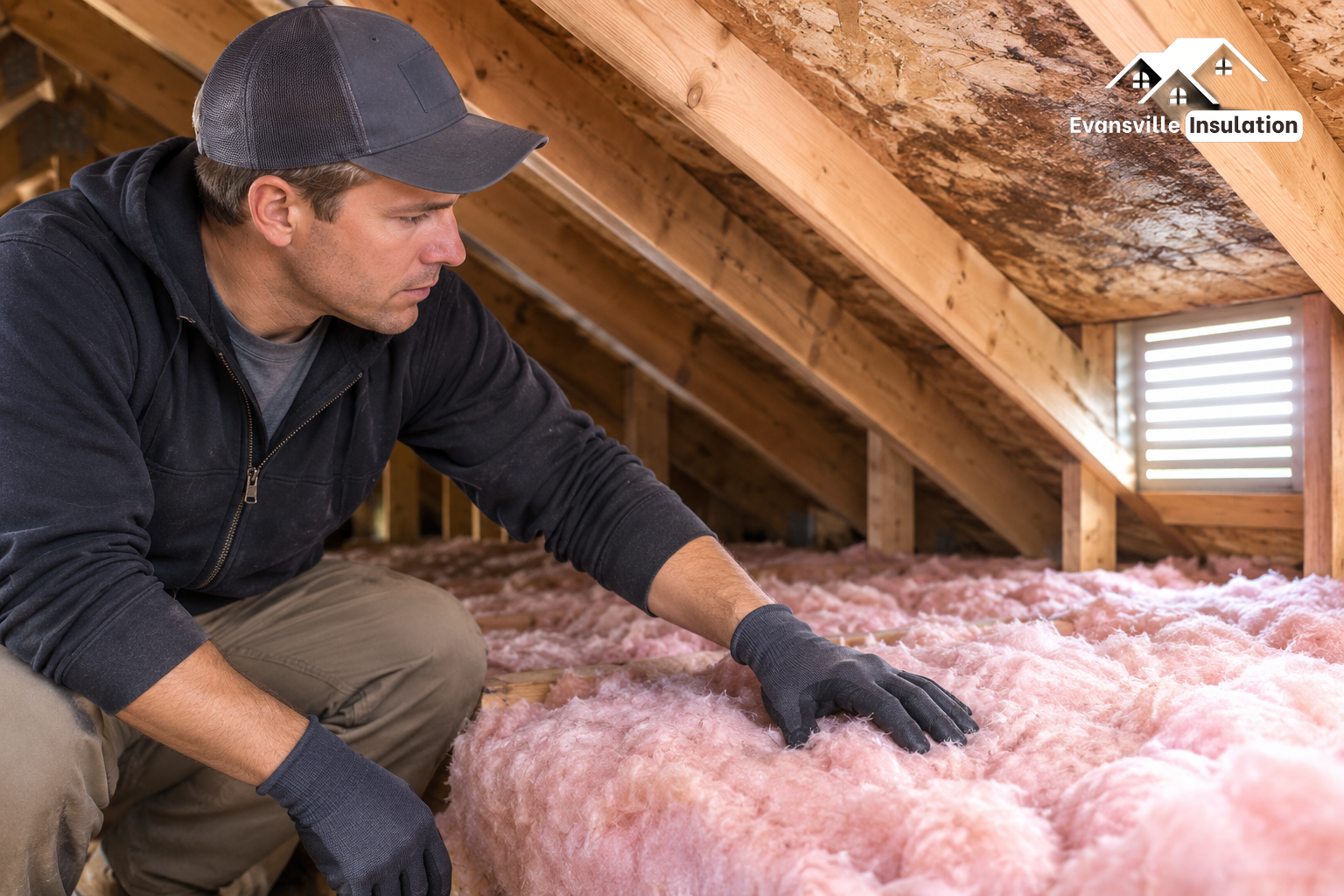
Warm air rises, so attics are often where heat loss becomes evident first. In colder climates, attic R-values around R-49 to R-60 are recommended, depending on your home and local conditions. If your attic isn't well-insulated, the rest of the house might struggle to stay balanced, regardless of how hard your HVAC works. A properly insulated attic can reduce drafts, limit temperature swings, and improve efficiency.
Upgrading attic insulation is one of the most cost-effective home improvements you can make. Many homeowners see a return through lower heating and cooling bills fairly quickly—some even within 2 to 4 years, depending on existing conditions and energy costs. If your home's comfort issues seem to stem from the top floor, consider starting with attic insulation.
Walls: Comfort Where You Live and Sleep
Wall insulation impacts the rooms where your family spends the most time, making it a major player in comfort. Exterior walls can let heat escape in winter and enter in summer, and older homes often have incomplete or settled insulation. Blown-in fiberglass or cellulose can improve wall cavity coverage and reduce temperature differences between rooms. If your home feels inconsistent from one side to another, better wall insulation might help stabilize the entire living space.
Ceilings and Roofs: Stopping Heat Transfer at the Top
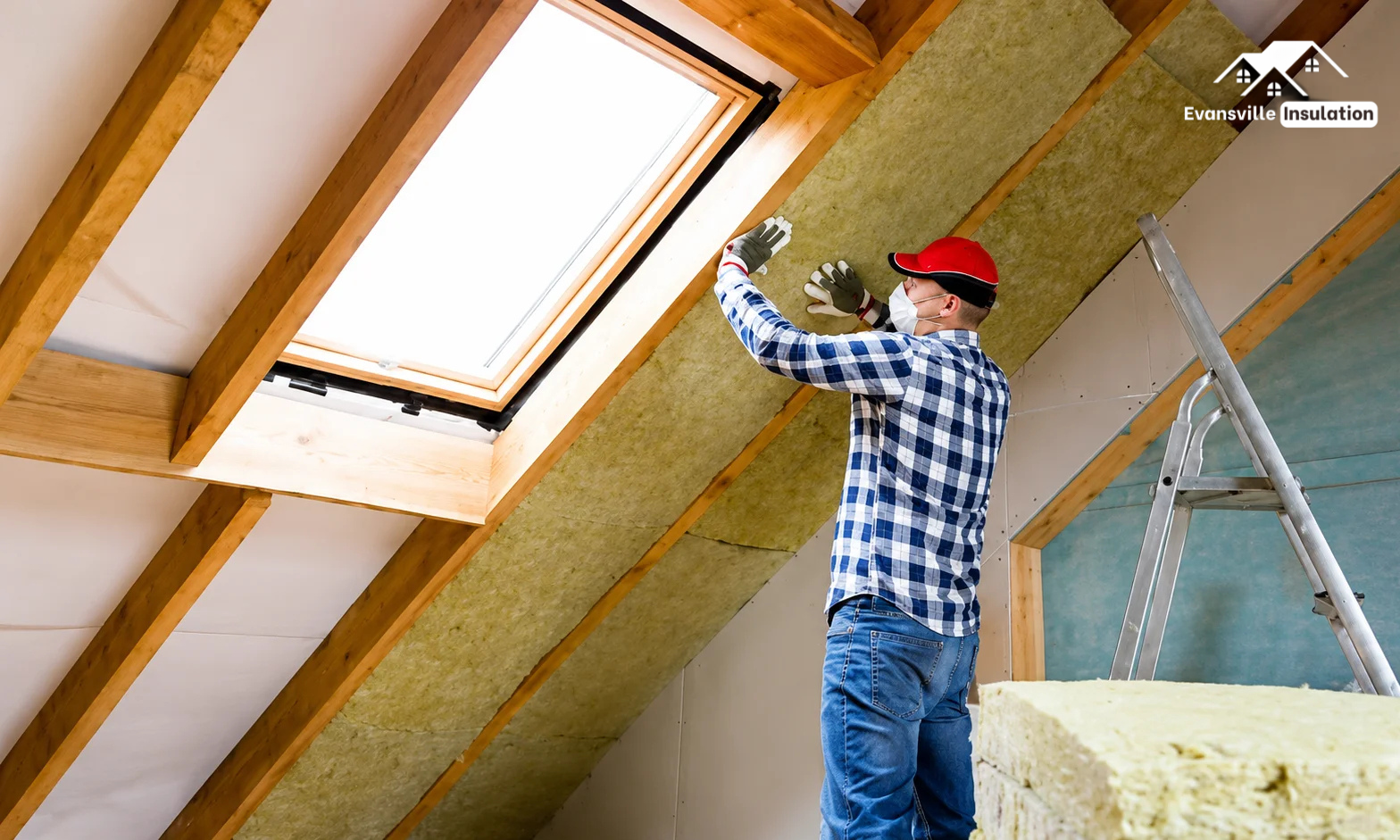
Ceilings and roofs play a big role in how much heat moves in and out of a home. Homes with vaulted ceilings, bonus rooms, or rooms directly under the roof can benefit from targeted upgrades. Ceiling insulation helps reduce heat transfer and can also soften sound between floors, while roof insulation is crucial in homes where the roofline contributes to major temperature gain or loss. These upgrades are especially valuable when the upper levels of a house are hard to keep comfortable.
Floors, Pipes, and Overlooked Gaps
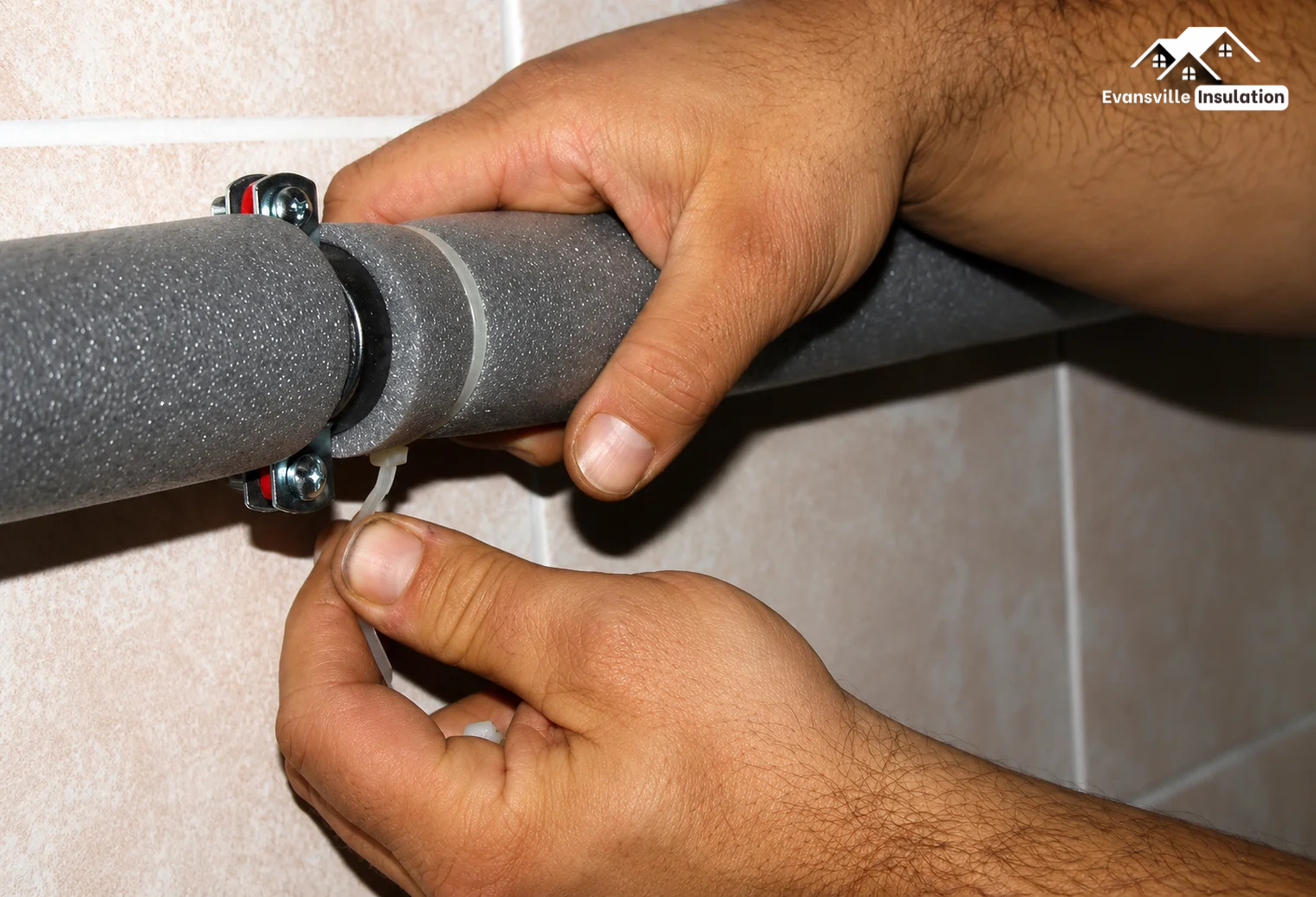
Comfort problems aren't always from big areas. Exposed pipes, crawl spaces, rim joists, and pipe penetrations can create cold spots and moisture concerns. This is why services like pipe wrapping and pipe boot insulation are often more important than people realize. Small details can make a surprisingly big difference, especially during colder months.
Signs Your Home May Be Under-Insulated
Uneven Temperatures from Room to Room
A clear sign is when some rooms are much warmer or colder than others. If the upstairs bedrooms are stifling in summer or the north-facing rooms always feel chilly, your insulation might not be working evenly. These problems are often worse in older homes or those where insulation has settled over time.
High Utility Bills with No Clear Explanation
Heating and cooling account for almost half of home energy use, and inadequate insulation is a common reason for wasted energy. If your utility bills are high despite reasonable thermostat settings, your building envelope might be leaking conditioned air. A home energy audit can pinpoint whether the issue is insulation, air leakage, duct loss, or a combo. Homeowners are often surprised by how much comfort and savings are tied to hidden gaps.
Cold Floors, Drafty Corners, and Noisy Rooms
Cold floors in winter, persistent drafts near exterior walls, and excessive sound transfer can all signal insulation issues. These symptoms are common in older buildings or homes with incomplete retrofits. If these problems show up together, it's a strong sign the home could benefit from a more complete approach that includes insulation and air sealing.
What a Professional Insulation Assessment Includes
Inspecting the Whole Building Envelope
A professional contractor does more than just add material in one spot. They look at the attic, walls, ceilings, roofline, crawl spaces, penetrations, and any signs of moisture or air movement. Comfort issues often stem from multiple sources, not just one area. By reviewing the whole envelope, contractors can recommend the most effective upgrades.
Evaluating R-Value and Installation Quality
R-value measures thermal resistance, but it doesn't tell the whole story. Even a high-R product can underperform if it's compressed, poorly installed, or interrupted by gaps. That's why installation quality is as important as the material itself. Professional crews ensure insulation is placed properly, coverage is consistent, and problem areas are tackled before the job's done.
Using Local Climate Knowledge
Homes in Indiana face hot, humid summers and cold winters, creating a mix of comfort challenges throughout the year. Insulation solutions should match the climate, the age of the building, and how the home is used. A service provider familiar with local conditions knows insulation isn't one-size-fits-all. It's a custom comfort strategy built for your home and the weather.
Real-World Examples of Better Comfort and Savings
Attic Upgrades That Reduced Energy Bills
A homeowner in Evansville upgraded attic insulation to R-49 and saw an estimated 15% drop in annual energy bills. This kind of result is common when a weak attic is the main source of energy loss. Better attic performance often leads to more stable temperatures in upstairs bedrooms, fewer HVAC cycles, and a more comfortable home overall.
Wall Insulation That Fixed Hot-and-Cold Rooms
In a nearby area, a family added wall insulation and sealed air leaks to tackle persistent temperature swings. Before the project, one side of the home always felt warmer in the afternoon and colder at night. After the upgrade, the rooms felt more balanced, and the family reported fewer comfort complaints throughout the seasons. This shows how wall work can improve everyday living, not just energy efficiency.
Lessons from These Case Studies
The main takeaway is that insulation works best when it solves the actual comfort problem. Sometimes the attic is the main issue; sometimes it's the walls or a combo of hidden leaks. A professional evaluation helps homeowners avoid spending money in the wrong place and ensures the final result matches the goal: a comfortable home in every room.
How to Decide Between DIY and Professional Installation
When DIY May Be Reasonable
Some projects, like adding insulation to an accessible attic, might be manageable for experienced homeowners. If the area is open, the materials are easy to handle, and the existing conditions are simple, DIY can be a good option. Even so, proper protective equipment, accurate measurements, and attention to ventilation are essential for safety and performance.
When Professional Help Is the Better Choice
Finished walls, hard-to-reach cavities, moisture concerns, and complex air-sealing needs usually call for professional installation. Contractors bring the tools, training, and experience needed to identify hidden issues and install insulation without creating new problems. This is especially important for projects involving spray foam, dense-pack insulation, or areas where improper work could trap moisture or reduce effectiveness.
Choosing the Right Contractor
Look for a team that understands energy efficiency, thermal resistance, air sealing, and local climate demands. You want more than a quick installation; you want a thoughtful approach that improves comfort for the long term. In addition to installation skill, the contractor should explain material choices clearly and help you understand how each upgrade supports the rest of your home’s performance. For guidance on local service options, homeowners can review sound insulation as well as other comfort-focused solutions that may fit their property.
Frequently Asked Questions About Home Insulation
How Do I Know If My Home Is Properly Insulated?
Common signs include high energy bills, rooms with different temperatures, drafty areas, and cold or damp floors and walls. You may also notice that your HVAC system runs constantly without delivering consistent comfort. A home energy audit can reveal whether insulation, air leaks, or duct issues are causing the problem.
Can Insulation Really Lower Energy Costs?
Yes. When insulation is installed correctly and paired with air sealing, it can reduce how often heated or cooled air escapes the home. That allows your HVAC system to run less often and more efficiently. While savings vary, many homeowners see meaningful reductions in heating and cooling costs after upgrading weak areas.
What Insulation Should I Upgrade First?
For many homes, the attic is the highest priority because it is a major source of heat loss and heat gain. After that, walls, ceilings, and key air-leak areas should be reviewed. The best order depends on your home’s design, age, and current insulation levels, which is why an inspection is so valuable.
Will Insulation Make My Home Quieter?
It can. Insulation helps absorb sound and reduce transmission between rooms, floors, and outside noise sources. If noise reduction is important to you, a contractor may recommend solutions such as sound insulation in addition to thermal upgrades. For many families, the quieter environment is just as noticeable as the energy savings.
Final Thoughts: Comfort Starts with the Building Envelope
Why the Right Insulation Strategy Pays Off
Proper insulation is one of the most reliable ways to make every room in your home more comfortable. It supports steadier temperatures, lower energy use, reduced HVAC strain, and a quieter indoor environment. Because comfort problems often come from hidden leaks and weak areas in the attic, walls, or ceiling, the smartest approach is usually a whole-home strategy rather than a single quick fix.
What Homeowners Should Do Next
If your home has drafts, uneven temperatures, or bills that seem too high for the comfort you are getting, it may be time for a professional assessment. Start with a review of the attic and wall areas, then look at the rest of the building envelope for air leaks and weak spots. For more background on practical insulation improvements, you can also review the University of Maryland Extension’s home insulation resource.
Evansville homeowners who want long-term comfort and better efficiency should consider a tailored insulation plan that addresses the whole home, not just one room. If you are ready to reduce drafts, improve temperature balance, and make your home feel better in every season, reach out to Evansville Insulation for expert help and dependable results.