Why Pipe Insulation is More Important Than You Think
Ever thought about how much energy you're losing through uninsulated pipes? It’s a pretty simple fix that can make a big difference. When hot water travels through uninsulated pipes, it cools down before reaching your faucets or heaters. That means your system works overtime, using more energy while still not delivering the heat you need.
Whether you're a homeowner or running a business, this isn't just about comfort. It's about saving money on energy bills and protecting your plumbing. Pairing pipe insulation with other upgrades like attic insulation and spray foam insulation helps keep the air where it belongs. Curious about the science behind it? Check out what the U.S. Department of Energy has to say on reducing heat loss at energy.gov/energysaver.
Insulated pipes can help keep your system stable, especially in places with temperature swings. From basements and crawlspaces to utility rooms, the benefits are both immediate and long-lasting. The trick is picking the right material, installing it properly, and keeping up with maintenance.
How Pipe Insulation Helps Cut Down Heat Loss
Slowing Down Heat Transfer
Heat naturally moves from hot to cold surfaces. Uninsulated pipes lose heat to the surrounding air, making your water cooler before it reaches its destination. Pipe insulation acts as a barrier, keeping that heat in and saving energy.
This is especially important for long pipes and frequently used systems. The longer the pipe and the cooler the surrounding air, the more heat you lose without insulation. Wrapping pipes in the right material improves efficiency by keeping the heat where it should be.
Cutting Standby Losses
Standby heat loss happens when heated water sits in pipes between uses. Industry research shows that insulating hot water pipes can reduce these losses by 25% to 45%, which can mean about 3% to 4% savings on your water-heating bills. It may not seem like much, but over time, those savings add up. For more on this, head over to Engineer Fix.
That’s why pipe insulation is seen as a worthwhile upgrade. It costs less than major replacements but boosts the performance of your whole plumbing system. Combine it with fiberglass insulation in walls or ceiling insulation, and you’ll notice even greater efficiency gains.
Top Spots for Insulating Pipes
Unheated Basements, Attics, and Garages
Experts recommend insulating pipes in areas that aren't climate-controlled. Basements, attics, crawlspaces, garages, and utility rooms are usually cooler, making them prime spots for heat loss. These are also the places where pipes might freeze during cold weather.
Focusing on these areas first gives you the best return, as you're addressing the biggest sources of heat loss. In homes, even a small section of exposed pipe can waste energy daily. In commercial settings, this issue can grow with multiple lines and equipment connections.
Mechanical Rooms and Service Areas
In commercial and industrial buildings, service corridors or mechanical rooms often have exposed piping. These spaces might be overlooked because they're not always in use, but the plumbing there still affects costs. Proper insulation helps reduce heat loss and maintains system consistency, even under heavy use.
If you’re considering insulation options, pipe wrapping might be the way to go in exposed areas needing tough coverage. Check out our pipe wrapping service for more on how to protect exposed lines.
Materials and Innovations in Pipe Insulation
Fiberglass, Foam, and Reflective Wraps
There are several insulation materials to choose from, and the right one depends on the pipe size, temperature, budget, and where you’re installing it. Fiberglass is known for its thermal performance, foam is easy to use, and reflective wraps are great when speed is important.
Each material has its strengths. Foam sleeves work well on straight runs, while fiberglass might be better for high-temperature systems. Reflective wraps are useful in some mechanical spaces, but you need to choose based on the pipe environment. The key is matching the material to the building conditions, not just going for the cheapest option.
Spray Foam and Eco-Friendly Options
New insulation technology offers more efficient and eco-friendly products. Spray foam insulation is notable for sealing gaps while boosting thermal resistance. In some buildings, it’s part of a broader strategy that includes blown-in insulation or wall insulation.
Interest is growing in sustainable insulation products made from recycled materials. This is important for those wanting to reduce waste and support greener building practices without losing performance. Organizations like the American Society of Heating, Refrigerating and Air-Conditioning Engineers promote standards for better system performance and smarter material selection.
Saving Money and Getting a Good Return
Understanding the Financial Benefits
One big reason people insulate pipes is to save money. Insulating pipes might cost between $350 and $850, depending on pipe length, labor, and materials. This range can vary depending on the system size and if it's part of a larger insulation project. Still, the energy savings over time make the investment worthwhile.
Pipe insulation is even more beneficial when paired with other efficiency improvements. For example, if a building also needs roof insulation or attic upgrades, the combined effect can reduce heat transfer and relieve HVAC stress. Instead of a standalone fix, pipe insulation often fits into a broader strategy.
Why Small Savings Count
A 3% to 4% cut in water-heating bills might not sound huge, but it adds up over the years. For homes with frequent hot water use or businesses with ongoing demands, even a small percentage improvement can lead to recurring savings. The bigger the building and the more exposed piping, the more valuable insulation becomes.
This is why many treat pipe insulation as a preventative measure rather than a one-time expense. It reduces waste, cuts costs, and helps keep plumbing and heating systems working well. Over time, those savings can support larger improvements like blown-in cellulose insulation in the attic.
Tips for Installing Pipe Insulation
Match Insulation to the Pipe and Environment
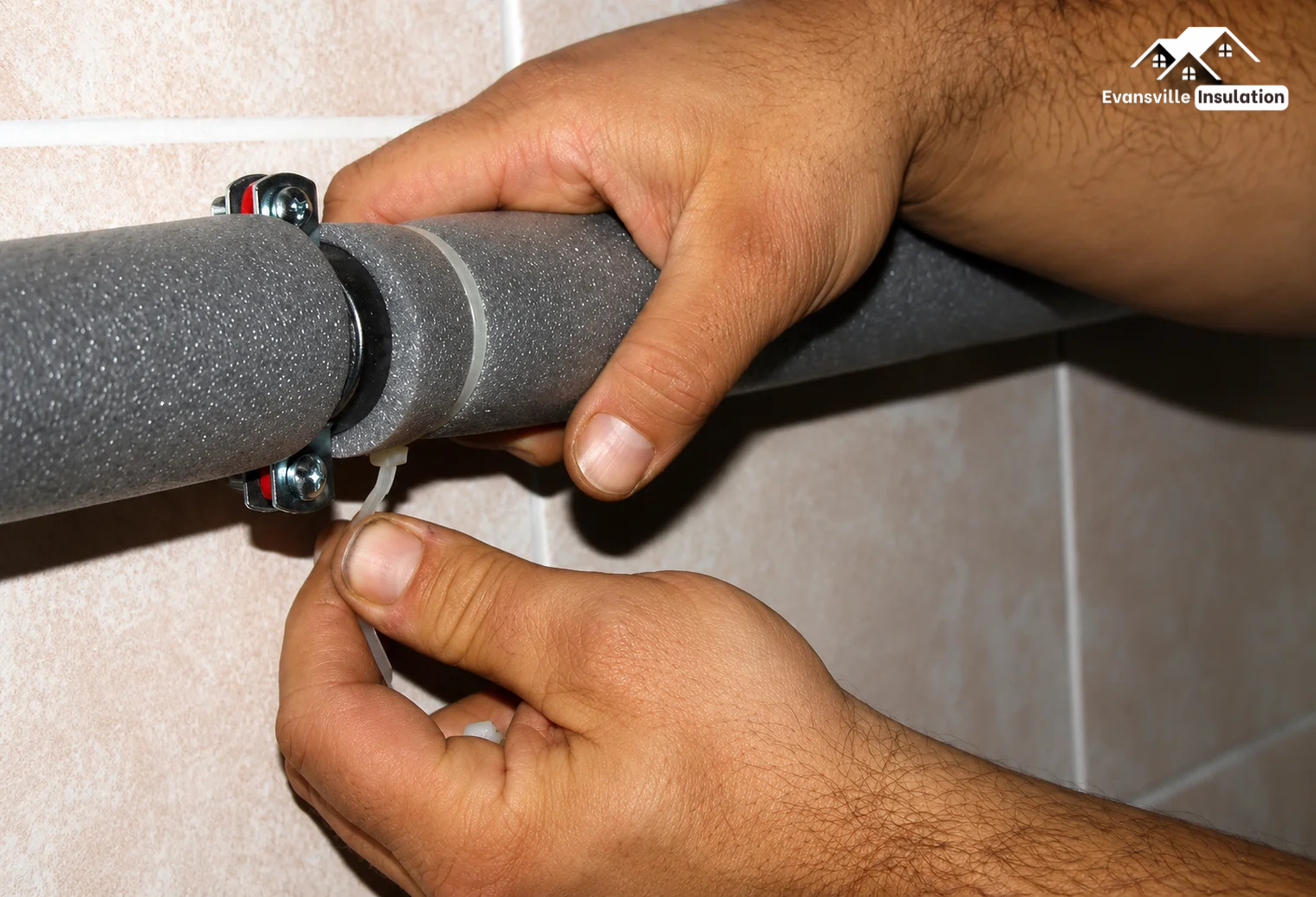
To get the best results, choose the right insulation thickness, material, and application method. A high R-value means better thermal resistance, but you also need to make sure the product fits the pipe diameter and the conditions. Bends, valves, and fittings need special attention as heat loss often occurs there.
Properly installed insulation should fit snugly without gaps. This matters especially in older buildings where pipes might be irregular. For complex setups, a professional can evaluate the system and suggest the best approach.
Seal Joints and Protect Vulnerable Areas
Poorly sealed seams can ruin even the best insulation. Every joint and opening should be sealed to stop air leakage and moisture intrusion. A dedicated solution like pipe boot insulation can help close gaps around penetrations.
This detail is important because moisture can damage insulation, harm thermal performance, and encourage corrosion. Careful installation isn't just about saving energy; it's also about protecting the plumbing system. When in doubt, professional installation is often the safest way to go.
Keeping Insulation Effective Over Time
Why Regular Checks Matter
Even good insulation can lose its edge if it gets damaged or wet. Regular inspection and maintenance can catch wear before it becomes a bigger problem. HPAC Engineering recommends checking for condition, moisture, gaps, and mechanical damage. Check out more about this at HPAC Engineering.
For property owners, this means looking at visible piping after seasonal changes or plumbing work. If the insulation is cracked, wet, or missing sections, it should be repaired or replaced. Preventative maintenance helps keep efficiency high and avoids hidden energy loss.
Signs Your Insulation Needs Work
Watch for uneven water temperature, condensation on cold lines, high utility bills, or visible deterioration around pipes. In winter, pipes in unheated areas might feel extremely cold or be at risk of freezing. These signs suggest your insulation might not be doing its job.
If you're also dealing with broader issues like drafty rooms, the problem might go beyond the pipes. In that case, look into related concerns like attic insulation and ceiling insulation, which impact heat retention.
Real-Life Example: Energy Savings in a Greenhouse
Targeted Insulation Boosts Performance
Let's look at how insulation helped a greenhouse. By insulating hot water pipes in areas where heat wasn't needed, they reduced heat loss and improved temperature control. This led to better energy management and less wasted heat. The University of Massachusetts offers insights on pipe insulation as an energy-saving tool: UMass Pipe Insulation Fact Sheet.
This example shows that pipe insulation isn't just for homes. Any facility moving heated water or fluids through exposed lines can benefit. Whether you're looking to cut heating costs or improve system stability, the principle is the same.
Lessons for Businesses
Commercial and agricultural buildings often have unique energy needs. Their piping systems can be major sources of hidden waste. By insulating the right sections first, you can make noticeable improvements without much disruption. This is especially true when you coordinate insulation work with other upgrades like sound insulation.
The takeaway is clear: targeted insulation works best when it addresses actual weaknesses. An inspection can reveal where energy is escaping, letting you focus on the most valuable improvements.
Common Questions About Pipe Insulation
Is Pipe Insulation Necessary?
Yes, especially for pipes in unheated or partially conditioned spaces. Insulation reduces heat loss, keeps water warm, and cuts energy use. It also protects plumbing in cold weather, reducing the risk of freezing.
Can I Insulate Pipes Myself?
If you have accessible straight pipe runs, DIY installation might be possible with the right material and size. But for complex plumbing layouts, professional help is best. A contractor ensures better coverage and sealing for long-term performance.
What Type of Insulation Should I Use?
The best material depends on pipe temperature, location, budget, and installation conditions. Foam sleeves, fiberglass, spray foam, and reflective wraps all have their place. Consult a professional to find out if your system needs simple wrapping or more comprehensive coverage.
How Often Should Insulation Be Replaced?
There's no set schedule for replacing insulation. It depends on material quality, moisture exposure, and physical damage. Inspect regularly and replace any worn or damaged sections. Early repair is usually more cost-effective.
Why Evansville Property Owners Should Consider Pipe Insulation
Suited for Local Weather
Indiana weather can be tough on buildings, with hot summers and cold winters challenging comfort and efficiency. Insulated pipes reduce seasonal strain by stabilizing water and heating systems. For local support, work with an experienced pipe wrapping contractor.
Pipe insulation fits well into a broader local efficiency plan. Properties often need a mix of attic, wall, roof, and pipe solutions for consistent performance. When these systems work together, you get less energy waste and better comfort.
How Professional Help Can Make a Difference
Professional contractors can identify exposed piping, suggest the right material, and ensure proper installation. This is especially useful for older buildings, multi-zone systems, or properties with limited access to mechanical spaces. Professional work complements the building envelope instead of creating weak points.
Evansville property owners looking for a personalized solution might consider a full assessment from Evansville Insulation. Whether you're aiming to cut bills or protect plumbing, the right plan can have a big impact.
Take Action to Reduce Heat Loss and Costs
Pipe insulation might seem like a small upgrade, but it offers real benefits when done right and maintained. It cuts heat loss, boosts energy efficiency, protects plumbing, and improves building performance. From homes to businesses, the advantages go beyond just the pipes.
If your property has exposed plumbing or rising utility costs, now’s a good time to check your insulation needs. Pair pipe insulation with other upgrades like fiberglass insulation, roof insulation, or blown-in cellulose insulation for even more savings. For expert advice and reliable installation, contact Evansville Insulation at Evansville Insulation Pros or call (812) 575-4370 to find the best approach for your building.