How Proper Attic Insulation Improves Comfort and Reduces Energy Costs
Proper attic insulation is a game-changer for making your home more comfortable and cutting down on energy waste. Without enough insulation, your heating and cooling systems have to work overtime, especially when heat escapes during the winter or builds up in the summer. If you're thinking about upgrading, consider our attic insulation service to help keep your home's temperature steady and reduce drafts.
Experts often say that insulation works best when paired with air sealing. Insulation slows down heat flow, while air sealing stops hidden leaks. According to the U.S. Department of Energy, sealing air leaks before adding insulation can make your home much more efficient and comfortable, especially in attics where leaks are common. You can find more info on the U.S. Department of Energy’s website. For many homes, the right insulation upgrade can support other improvements, like ceiling insulation and roof insulation, to create a more consistent building envelope.
In this article, you'll learn about how attic insulation affects comfort, reduces utility costs, what materials are available, and why getting a professional assessment is worth it. We'll also look at trends, signs that your attic needs attention, and practical steps for homeowners aiming for better home performance without the guesswork.
Why Attic Insulation Matters More Than Most Homeowners Realize
Heat transfer is always working against you.
No matter the season, heat moves in and out of your home. The attic is a big player in this process. Without proper insulation, warm indoor air rises and escapes, while outdoor temperatures sneak into the rooms below. This imbalance can make your home feel uncomfortable even if the thermostat is set correctly.
Attic insulation creates a thermal barrier that slows this movement. While it doesn't create comfort by itself, it helps your HVAC system maintain stable temperatures. If you're dealing with hot upstairs bedrooms or cold hallways, insulation could be the missing piece. If leaks are also an issue, consider pairing attic work with blown-in insulation or spray foam insulation to improve coverage and reduce gaps.
Comfort improvements show up in everyday life.
Better insulation changes how your home feels from room to room, season to season. You might notice fewer cold spots near the ceiling or less heat coming down from the attic. These changes matter because comfort isn't just about temperature; it's also about consistency. When indoor conditions stay steady, your whole home becomes more pleasant to live in.
Many people also find that good attic insulation improves sleep and cuts down on the need to constantly adjust the thermostat. A stable thermal envelope means fewer indoor temperature spikes, making rooms like bedrooms, living areas, and home offices easier to use throughout the day. In practical terms, insulation helps your home behave more predictably, even during weather extremes.
The Energy Savings Behind a Well-Insulated Attic
Lower bills come from less wasted heating and cooling
Upgrading your attic insulation can really trim your energy bills. Studies show that proper attic insulation can cut heating and cooling costs by 15% to 25%. So, on a $200 monthly energy bill, that could mean around $360 to $600 in annual savings. Over time, these savings can really add up, especially if you pair them with other efficiency improvements.
The ENERGY STAR attic insulation guide points out that homes with poor insulation often lose money through unnecessary heat transfer and drafty air movement. This is why attic insulation is frequently one of the first upgrades recommended during a home energy assessment. If your insulation is old or uneven, adding more might still be worthwhile. Often, upgrading to blown-in cellulose insulation can help fill gaps and boost overall thermal resistance.
Return on investment can be strong.
Insulation is considered one of the best investments for a home because the benefits last. Research suggests insulation upgrades can recoup 95% to 100% of their cost at resale. Buyers value homes with lower operating costs, fewer drafts, and documented efficiency improvements. Attic insulation can contribute to both short-term comfort and long-term property value.
For homeowners planning to stay put, the return shows up in monthly savings and better living conditions rather than resale alone. If you're thinking of selling, insulation can support a stronger inspection report and a more attractive energy profile. In either case, the upgrade is rarely wasted because the home benefits immediately and over time. It's also a great complement to fiberglass insulation in many attics and ceiling assemblies.
Air Sealing and Insulation: Why Both Are Necessary
Insulation slows heat, but air sealing stops leaks.
Many people think adding more insulation alone solves every attic problem. But hidden air leaks can undermine even thick insulation. Warm air can escape through gaps around plumbing, light fixtures, attic hatches, chimneys, and framing transitions. Cold air can also sneak in through these weak points, creating discomfort and forcing HVAC equipment to run longer.
That's why the best approach is to seal the attic first, then add insulation. Air sealing locks in the benefits of the thermal barrier by reducing leaks and unwanted airflow. This combo is especially important in older homes with construction details that may not meet current efficiency standards. If your attic has visible gaps or an uneven insulation layer, a professional might recommend combining air sealing with blown-in insulation or spray foam insulation for a more complete solution.
Professional assessments help identify weak points.
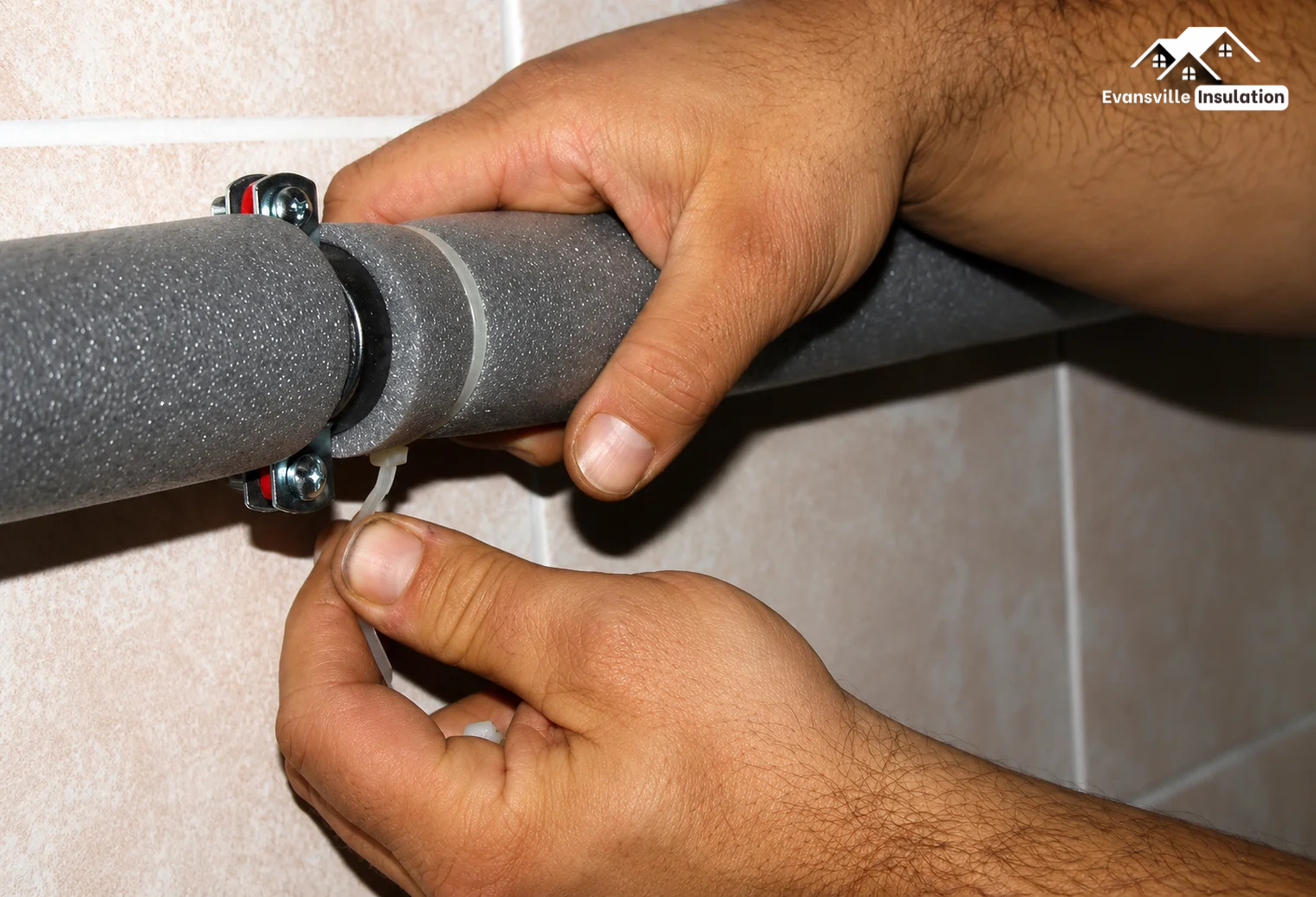
Many leakage paths aren't obvious from a glance. This is where a professional assessment can come in handy. Experts can spot areas where insulation has settled, where airflow bypasses the insulation layer, and where moisture or pest issues might be reducing performance. In some homes, they may also recommend pipe boot insulation or pipe wrapping to reduce heat loss and protect vulnerable spots.
A thorough assessment can save money by preventing over-insulation in some areas and under-insulation in others. It also helps prioritize the most important air sealing targets, which often deliver faster comfort improvements than insulation alone. For homes in climates with seasonal swings, this balanced approach can make all the difference.
Current Trends in Attic Insulation and Home Performance
Pest control and thermal resistance are being combined.
One new development in attic insulation is combining pest-control properties with insulation materials. Products like TAP® Pest Control Insulation offer thermal resistance while also repelling pests. This dual-purpose approach appeals to homeowners who want more than just energy savings, helping keep the attic cleaner and more protected. Check out this overview of pest-control insulation for more details.
While not every home needs pest-resistant insulation, the trend reflects a broader shift toward multifunctional building materials. Homeowners are increasingly looking for products that address comfort, efficiency, and maintenance concerns at the same time. This is especially useful in attics, where pests, dust, heat, and moisture can all become problems if neglected. The goal is no longer just to add material, but to improve the attic as part of a whole-home system.
Blown-in materials are popular for coverage and flexibility.
Blown-in insulation, especially cellulose, is becoming more popular. These products can cover irregular spaces, wrap around obstructions, and fill cavities more completely than some traditional batts. Many homeowners who add blown-in cellulose report noticeable reductions in energy bills and a more comfortable indoor environment. Cellulose is valued for its ability to settle into tight spaces and create a more uniform blanket across the attic floor.
For those comparing material choices, blown-in insulation can be a strong fit when the attic has uneven framing or existing insulation that needs topping off. In contrast, fiberglass batts may be better in some assemblies where clear, accessible bays are available. The right answer depends on the attic design, climate, budget, and performance goals. That's why a service like blown-in cellulose insulation is often recommended as part of a broader evaluation instead of a one-size-fits-all answer.
How to Know Whether Your Attic Is Properly Insulated
Look for visible warning signs.
Several signs can indicate insufficient attic insulation. If the insulation is level with or below the floor joists, it may be too thin to provide the thermal resistance your home needs. Other warning signs include rooms that feel hotter or colder than the rest of the house, high heating and cooling bills, and ice damming or moisture problems in winter. The ENERGY STAR guidance on attic insulation suggests checking existing depth and condition before deciding whether to add more insulation.
It's also worth looking for signs of compression, gaps, discoloration, or pest activity. Insulation that has been disturbed, wet, or compacted won't perform as well as a dry, even layer. If you notice these issues, an update may be overdue. Homes with unfinished attics, older construction, or recent HVAC changes should be checked carefully because comfort problems can appear even when the home looks well maintained.
Use climate and home age as clues.
The amount of insulation needed varies by climate zone and home construction. In areas with hot summers and cold winters, attic insulation becomes even more important because the roof assembly experiences significant temperature swings. Older homes often have lower insulation levels than modern standards recommend, and past additions may have created uneven performance. That makes attic evaluation especially valuable in homes that have not been updated for years.
If your house has been renovated, changed use patterns, or experienced persistent comfort issues, the attic may be part of the explanation. A home office that overheats, a bedroom that never warms up, or a hallway that feels drafty could all point to insulation limitations above. In those cases, adding insulation is not just about reducing utility bills; it is about making the home function the way it should.
Choosing the Right Attic Insulation Material
Fiberglass, cellulose, and spray foam serve different needs
There's no one-size-fits-all when it comes to attic insulation materials. Fiberglass insulation is a reliable and widely used option for steady thermal performance. Cellulose is great for filling gaps and wrapping around obstacles, improving coverage in older or irregular attics. Spray foam insulation offers strong air-sealing properties, which can be especially useful where drafts and leakage are major concerns. Each material has its strengths, and the best choice depends on the attic's condition and the homeowner's goals.
For instance, if you want to improve a large open attic, blown-in insulation or blown-in cellulose insulation might be the way to go for broad coverage. On the other hand, if persistent air leaks near the roofline are a concern, spray foam insulation might be better. If the issue includes adjacent walls or shared spaces, wall insulation may also play a role in the final comfort outcome.
Material selection should follow the building, not the trend.
It can be tempting to choose the newest or most popular material, but the smartest decision is based on the structure itself. A professional can evaluate ventilation, moisture risk, insulation depth, and access points before making recommendations. In some homes, the best result comes from combining materials in a strategic way, such as using air sealing, then adding loose-fill insulation, and then addressing roof or ceiling weak points as needed.
This is also where local conditions matter. For homeowners in Evansville and surrounding areas, a contractor familiar with Indiana weather patterns can help select materials that perform in hot, humid summers and colder winter periods. That localized knowledge can make the difference between a decent upgrade and one that truly improves the home envelope over time. For a region-specific solution, attic insulation in Evansville, IN is designed to help homes stay more comfortable year-round.
A Practical Homeowner Checklist for Better Attic Performance
Start with a simple inspection.
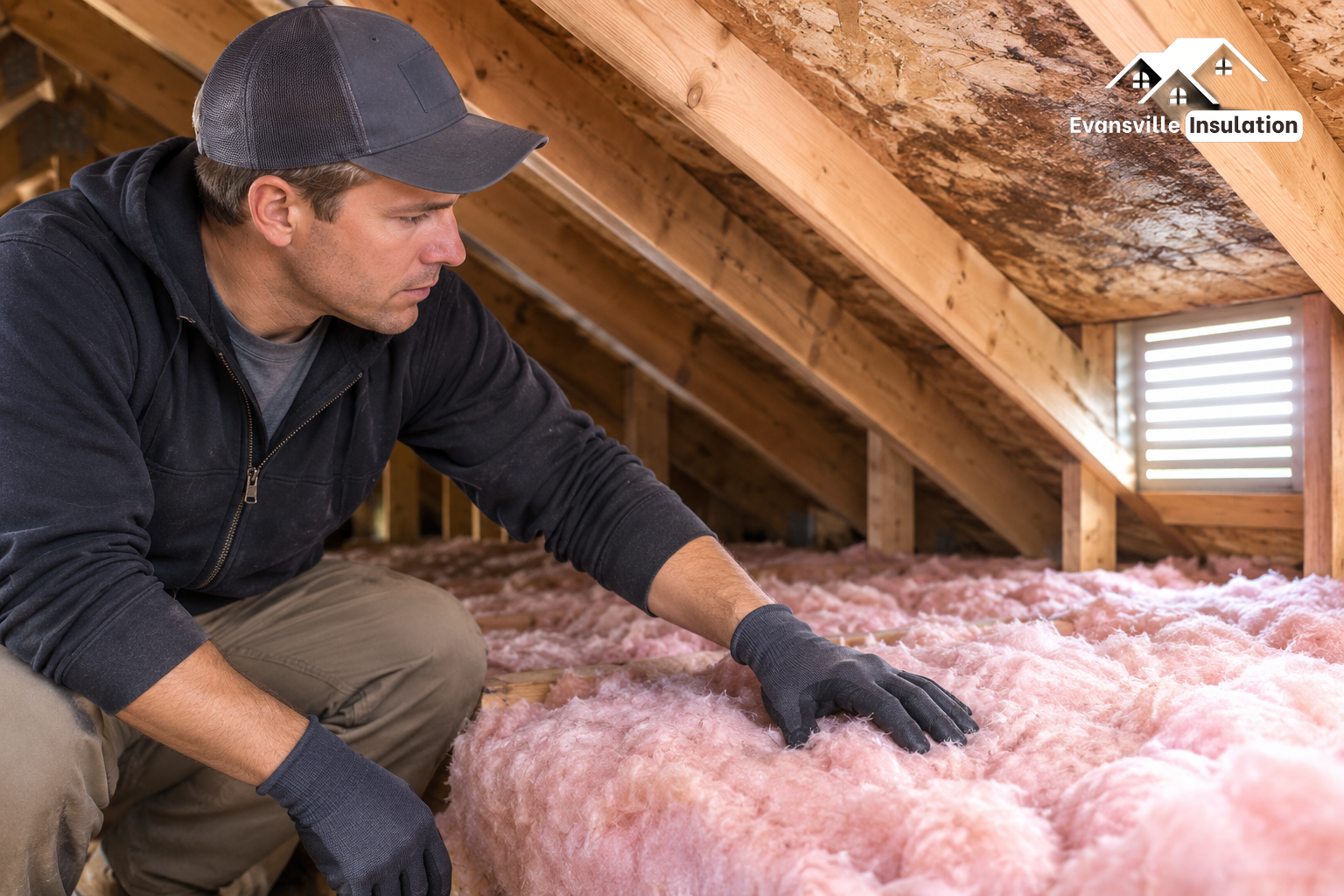
Before you schedule an upgrade, take a few minutes to inspect the attic if it is safely accessible. Look for thin spots, exposed joists, damaged vapor barriers, visible gaps, and signs of moisture or pests. Check around recessed lights, attic doors, vents, and pipe penetrations because these are frequent leak points. If the attic floor is unevenly covered or insulation has drifted to one side, performance may already be compromised.
This quick review does not replace a professional assessment, but it can help you understand whether the problem is minor or more extensive. It also gives you a baseline for asking better questions when you speak with a contractor. If you already know the attic is underperforming, you can focus on solutions rather than speculation. In many cases, a targeted upgrade to ceiling insulation or roof insulation can support the broader attic strategy.
Think beyond insulation alone.
The best attic upgrade plans address comfort from multiple angles. That may include sealing air leaks, correcting ventilation issues, improving moisture control, and updating insulation depth. In some homes, sound control is also a welcome benefit, especially when the attic is adjacent to living spaces or mechanical equipment. If noise is a concern, sound insulation may be worth considering as part of the overall plan.
It is also wise to ask about maintenance needs. Some materials settle over time, some are more resistant to pests, and some are better suited to specific attic geometries. The right plan should account for current conditions and future performance, not just the initial installation date. That means your upgrade should be built for the long term, not just to pass a quick inspection.
Why Professional Installation Delivers Better Results
Experience helps avoid common mistakes.
Attic insulation may seem simple, but poor installation can reduce its value quickly. Common mistakes include compressing the insulation, leaving gaps around obstructions, overlooking air leaks, and failing to identify moisture concerns before adding material. When these issues happen, the attic may still feel drafty or uneven even after an upgrade. A professional installer understands how to apply the right material in the right places for the right depth.
Professional installation also matters because the attic is part of the home’s larger system. Ventilation, roof structure, HVAC duct paths, and thermal boundaries all affect performance. Skilled contractors can spot issues that are easy to miss and suggest related improvements when necessary. If your home needs a more comprehensive approach, you may benefit from a mix of blown-in insulation, fiberglass insulation, and targeted air sealing.
Local expertise supports better recommendations.
Home performance is highly regional. What works in one climate may not be ideal in another, and insulation needs can vary even within the same city depending on home age and construction type. That is why working with a contractor who understands local weather patterns, building styles, and common attic problems can improve the outcome. Evansville homeowners often need solutions that balance summer heat, winter cold, and humidity control.
For that reason, professional insulation support in the area can be especially valuable. If you want a local team that understands regional building conditions, Downtown Evansville homeowners and nearby property owners can benefit from service tailored to local needs. This kind of localized approach helps ensure your attic upgrade is effective, durable, and aligned with the way your home actually performs.
Frequently Asked Questions About Attic Insulation
How much insulation do I need?
The answer depends on your climate zone, current insulation depth, and home design. In general, more insulation is helpful until you reach the recommended level for your region, but the attic must also be air sealed and properly vented. A contractor can measure existing depth, identify weak areas, and suggest whether topping off, replacing, or combining materials is the best approach.
What if I already have insulation?
Existing insulation does not always mean the attic is performing well. Over time, insulation can settle, shift, get damaged, or become less effective due to air leaks above or around it. If the attic floor is not fully covered or the insulation is below the joists, adding more may still be beneficial. In some homes, a combination of blown-in cellulose insulation and air sealing offers the best improvement.
How long will the benefits last?
Quality attic insulation can last for many years, often decades, if it is installed properly and protected from moisture and pests. The main threat to performance is not age alone, but damage, settling, or changes in the home that create new leaks. Regular attic checks can help preserve comfort and savings over time.
Take the Next Step Toward a More Efficient Home
Proper attic insulation improves comfort, lowers energy costs, and supports the long-term health of your home. The best results come from treating insulation as part of a complete system that also includes air sealing, moisture control, and the right material selection. Whether you are dealing with hot upstairs rooms, drafty winter mornings, or consistently high utility bills, the attic is one of the smartest places to start.
If you are ready to explore your options, Evansville Insulation can help you evaluate the best path forward with solutions tailored to your home and budget. From attic insulation to blown-in insulation, spray foam insulation, and related upgrades, our team focuses on reliable installation and lasting performance. To schedule a consultation, contact Evansville Insulation at (812) 575-4370 or visit our website at Evansville Insulation Pros.