Moisture problems can sneak up on a home, causing damage before you even notice. Things like condensation, mold, wood rot, and air leaks often start in places you rarely check, like attics, crawl spaces, and wall cavities. The good news? Insulation can help more than you might think. It stabilizes temperatures, reduces condensation risks, and supports a healthier indoor environment. This guide will show you how insulation can protect your home from moisture issues, the best materials to use, and when you might need to call in a professional.
If your home feels drafty or has uneven temperatures, it might not just be a comfort issue. It could be a moisture problem affecting energy efficiency and building durability. If you're thinking about upgrades like attic insulation or wall insulation, understanding how moisture plays into it can help you make smarter choices.
According to the Insulation Institute, moisture or water vapor moves in and out of your home in three ways: with air currents, through materials by diffusion, and through heat transfer. So, insulation isn't just for keeping warm in winter or cool in summer. It also helps manage conditions that let water vapor condense on cold surfaces, creating a perfect environment for mold.
Why Moisture Problems Start
Temperature Swings Create Condensation
When warm, humid air hits a cold surface, moisture condenses into liquid. This often happens in poorly insulated attics, basements, ceilings, and exterior walls. Even a little condensation can lead to staining, odors, softened wood, or damage to framing and drywall. Insulation reduces temperature swings, making it harder for cold surfaces to form condensation.
Air Leaks Carry Humidity into Hidden Spaces
Moisture doesn't need to be visible to be a problem. Outdoor air can sneak in through tiny gaps around framing, attic hatches, recessed lights, vents, and plumbing. Once humid air hits a cooler hidden space, it condenses and gets trapped. That's why pairing air-sealing techniques with insulation is usually more effective than just insulation. For homes needing a stronger seal against leaks, spray foam insulation can be especially helpful as it insulates and reduces air movement through small gaps.
Building Materials Absorb and Release Moisture
Wood, fiberglass, drywall, and other materials can absorb humidity under the right conditions. Over time, this degrades their performance and can lead to costly repairs. More consistent indoor temperatures and humidity levels help these materials avoid cycling between damp and dry conditions. Stability is one reason insulation is a key part of protecting your home.
How Insulation Protects Against Moisture
It Helps Control Indoor Temperature
Insulation slows down heat transfer through walls, ceilings, roofs, and floors. This means indoor surfaces stay closer to room temperature, avoiding extremes. When surfaces stay warmer in winter, condensation is less likely. In summer, insulation helps keep hot outdoor air from overheating cooler indoor spaces, aiding humidity control.
It Reduces Humid Air Infiltration
Moist air often enters a building through gaps in the envelope, not just obvious openings. Properly installed insulation, especially with air sealing, reduces the pathways humid air uses to enter your home. This is key in climates with hot, muggy summers and cool winters, where humidity changes quickly throughout the year.
It Protects Vulnerable Areas Like Attics and Crawl Spaces
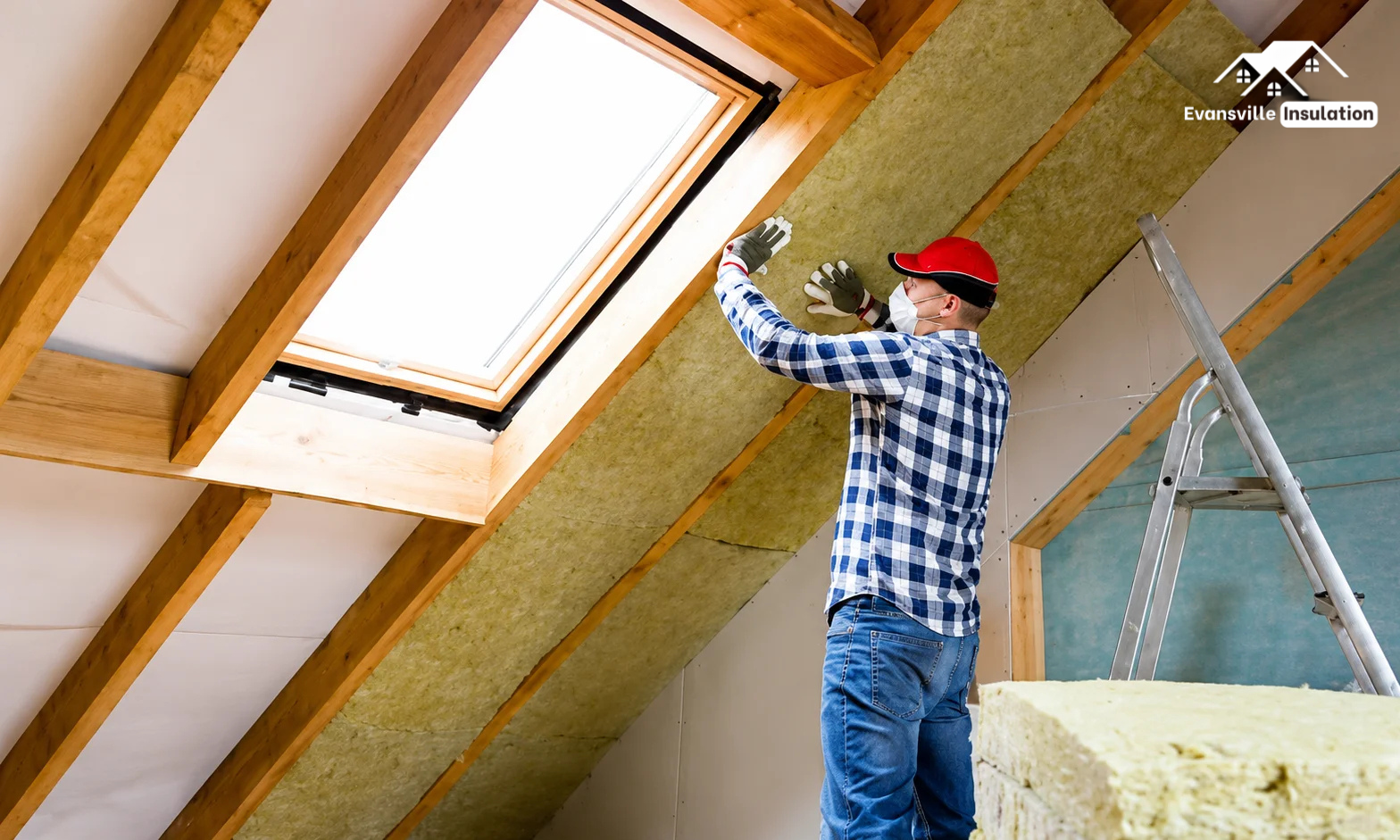
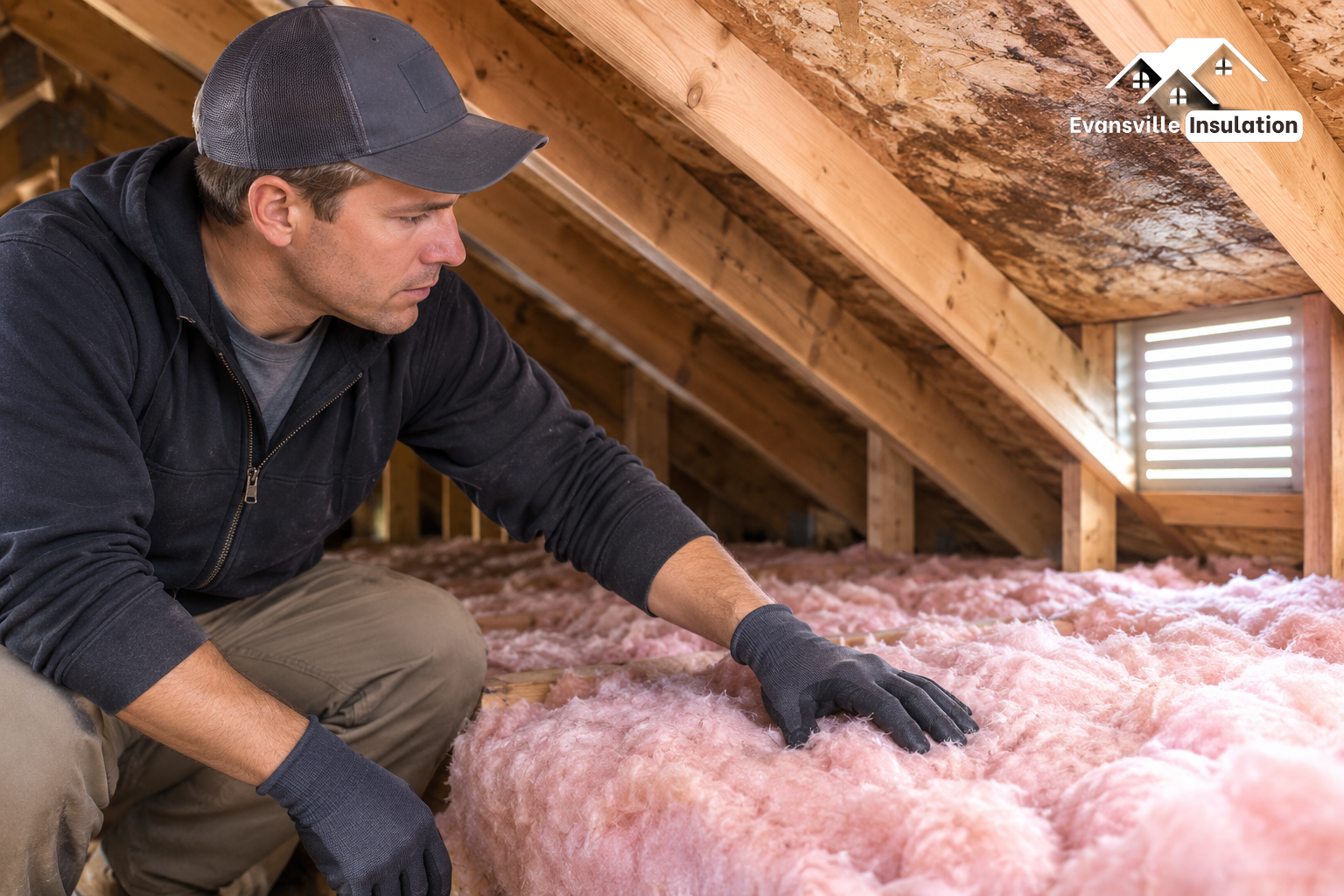
Attics and crawl spaces often face big temperature differences from living areas below. If these spaces lack insulation, surfaces may stay cold enough to attract condensation. Upgrading with the right products, like blown-in insulation or fiberglass insulation, creates a more stable thermal barrier, reducing moisture risks.
For a deeper dive into comfort and efficiency, these insights connect with ideas covered in How Insulation Can Make Every Room Cozier and Why Insulation Is About More Than Warmth. Moisture control is a big part of that picture.
Latest Materials and Trends in Moisture-Resistant Insulation
Vapor Barriers Are Now Integrated More Often
A big development in insulation is using vapor-control layers more frequently. These barriers regulate how much water vapor moves through a building. When used correctly, they reduce condensation in areas where temperatures change quickly. But choose vapor barriers carefully; the wrong product or placement can trap moisture instead of controlling it.
Radiant Heat Barriers Support Temperature Management
Radiant barriers are more common in systems aimed at improving thermal performance and moisture resistance. By reflecting heat, they help reduce attic heat buildup and limit extreme temperature differences that cause condensation. In hot, sunny seasons, this added control can make a noticeable difference in attic performance and overall comfort.
Closed-Cell Spray Foam Provides Insulation and a Moisture Barrier
Closed-cell spray foam has become popular because it does two jobs: it insulates and creates a moisture-resistant barrier that seals gaps and limits water intrusion. It's a strong choice in humid environments and where a tighter building envelope is needed. It can be useful around rim joists, wall cavities, crawl spaces, and other areas prone to drafts or moisture.
The U.S. Environmental Protection Agency says mold prevention depends on controlling moisture sources, not just cleaning visible growth. That's why modern insulation strategies focus more on prevention than repair.
Signs Your Home May Have a Moisture Issue
Visible Staining and Discoloration
Brown spots on ceilings, dark marks around windows, bubbling paint, or patchy drywall can signal hidden moisture. These signs are common in rooms below attics or near exterior walls where insulation might be failing. If stains keep coming back after repairs, there's usually a deeper issue with temperature control, airflow, or a small leak.
Musty Odors and Persistent Dampness
A musty smell often warns that moisture is trapped behind walls or in an attic. If the smell worsens after rain, during humid weather, or when the HVAC system runs, check insulation and ventilation. Damp insulation loses effectiveness, so even if the house feels comfortable, energy performance may suffer.
Uneven Room Temperatures and Drafty Corners
Rooms that are hotter, colder, or more humid than the rest of the house might have insulation problems. Temperature differences can cause condensation, especially where exterior walls meet ceilings or around ductwork. If the problem seems concentrated in one area, targeted improvements like ceiling insulation or roof insulation could help.
Best Practices Before Installing New Insulation
Fix Water Leaks First
Experts recommend fixing any existing leaks before adding new insulation. If roof, plumbing, or foundation leaks remain, insulation may soak up moisture and worsen problems. Properly controlling moisture can improve air sealing and insulation efforts, making preparation just as important as installation.
Inspect Ventilation and Airflow
Insulation works best when ventilation is balanced. Moisture needs a way to escape; otherwise, it stays trapped in attics, basements, or wall cavities. Check bathroom fans, kitchen and attic ventilation, and crawl spaces to ensure your home can dry out naturally. Sometimes fixing airflow issues is as crucial as replacing old insulation.
Remove Damaged or Wet Insulation
Old insulation that's wet, compressed, moldy, or rodent-damaged should be removed before adding new material. Installing over damaged insulation can hide problems and reduce system effectiveness. In homes with a moisture history, blown-in cellulose insulation might be a smart option, filling small voids while supporting better coverage in tricky spaces after remediation.
How Insulation Helps Prevent Mold Growth
It Reduces Mold-Friendly Conditions
Mold needs moisture, an organic food source, and the right temperature to grow. Insulation doesn't eliminate mold but helps by reducing condensation and dampness. Stabilizing temperatures and limiting humid air movement makes it harder for mold to thrive in hidden areas.
It Supports Healthier Indoor Air Quality
When insulation and air sealing reduce moisture, indoor air is often more comfortable and less damp. While insulation isn't a substitute for ventilation, it's a major part of a healthy home system. This matters for families with allergies, asthma, or mold sensitivity. Controlling moisture can be a simple way to support cleaner air indoors.
It Protects Building Materials from Decay
Wood framing, joists, sheathing, and other components can weaken if they stay damp. Mold is often just one symptom of a bigger moisture problem, including rot and structural wear. Properly installed insulation helps protect the structure by keeping materials drier and reducing damaging wet-dry cycles.
Why Climate Matters, Especially in Evansville
Humid Summers Raise the Moisture Challenge
In places with hot, humid summers, outdoor air carries lots of moisture into homes. If it reaches cooler surfaces, condensation forms quickly. This is why homeowners in Indiana often need a complete insulation strategy—not just for comfort, but to reduce seasonal moisture stress.
Cold Winters Can Create Hidden Condensation
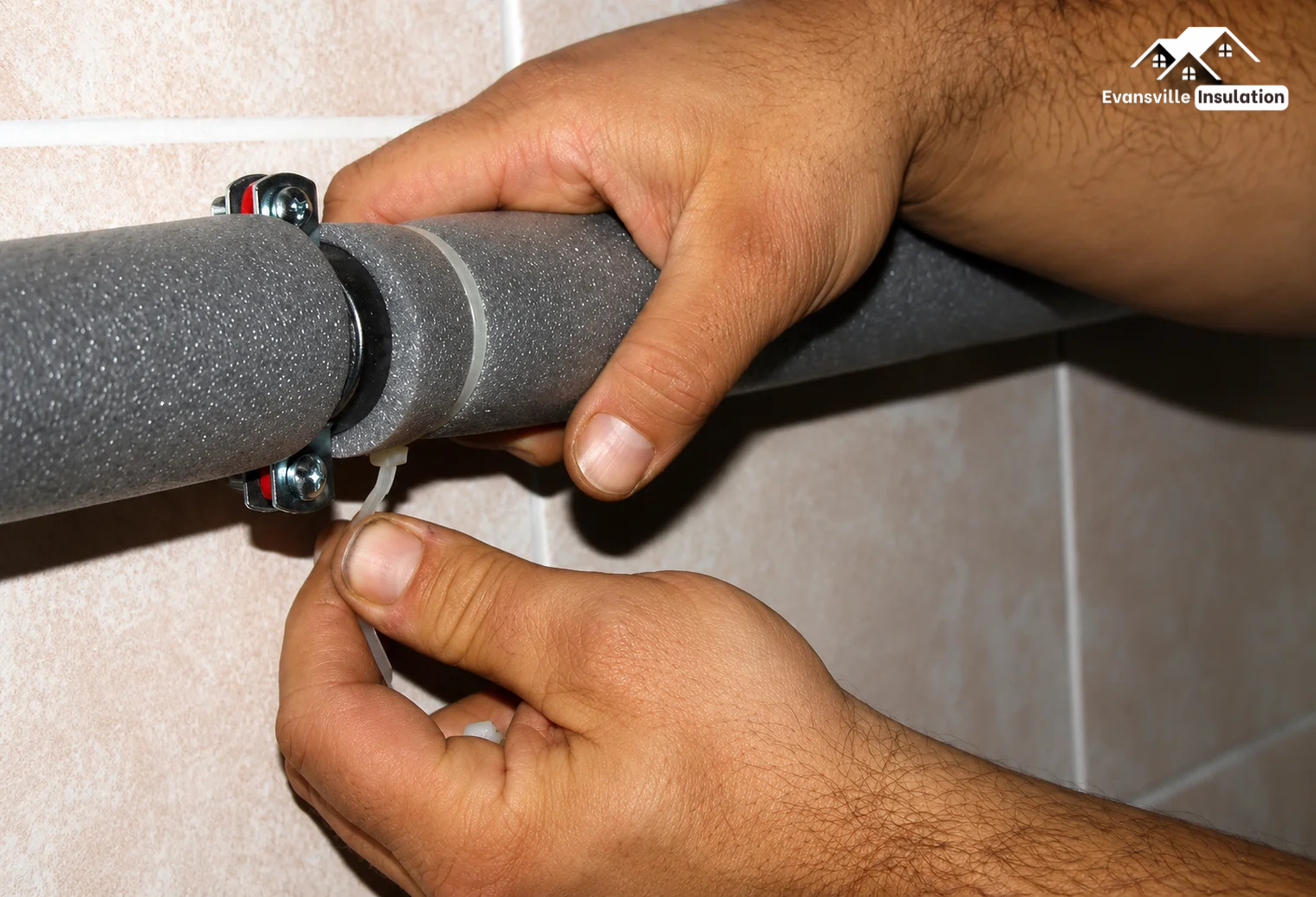
When temperatures drop, warm indoor air rises and can leak into colder attic or roof spaces. Poorly insulated upper areas can lead to frost, dripping, or damp insulation. Homes needing reliable winter performance might benefit from upgrades like attic insulation and pipe wrapping to reduce heat loss and protect exposed systems.
Local Conditions Demand Practical Solutions
In regions like Evansville, where weather swings from muggy to cold, insulation should support both thermal efficiency and moisture management. Local building strategies often focus on a combination of air sealing, proper insulation selection, and attention to vulnerable areas like basements, crawl spaces, and exterior walls. For more comfort-focused guidance, check out Why Your Home Feels Drafty and How to Fix It.
Practical Steps Homeowners Can Take Now
Look for the Warning Signs
Start by checking the attic, basement, bathrooms, around windows, and behind furniture on exterior walls. Look for stains, peeling paint, damp odors, or insulation that seems flat and compressed. Early detection saves money and prevents long-term damage. If a problem appears seasonally, it likely points to a temperature or humidity issue, not a one-time leak.
Choose the Right Insulation for the Space
Different home areas need different materials. For broad coverage in attics and wall cavities, blown-in insulation offers consistent fill. For tighter air sealing in moisture-prone areas, spray foam might work better. Often, the best solution is a layered approach combining insulation type, vapor control, and smart air sealing.
Work with an Experienced Contractor
Moisture control is one big reason to hire a knowledgeable insulation contractor. A professional can inspect the problem's source, recommend the best materials, and ensure installation supports long-term performance. Evansville Insulation helps homeowners and businesses decide, offering services for Indiana weather, including spray foam insulation, wall upgrades, and attic improvements. When you want the job done right, expertise matters as much as the material.
Case Study: A Moisture-Focused Insulation Upgrade
A Typical Homeowner Scenario
Imagine a home with a chilly upstairs bedroom in winter and a musty attic smell during humid weather. The homeowner might think it's just an HVAC issue, but inspection reveals thin insulation, air leaks around fixtures, and damp spots near roof penetrations. After fixing moisture sources and upgrading the insulation, the room becomes more stable, the odor fades, and the home feels more comfortable year-round.
Benefits Beyond Comfort
This kind of upgrade doesn't just improve temperature balance. It lowers mold risk, reduces stress on heating and cooling equipment, and helps protect the roof deck and framing. Insulation improvements offer value in many ways: energy savings, moisture control, indoor comfort, and building structure preservation.
How Local Contractors Can Help
In Evansville and nearby areas, local insulation companies often handle projects involving removing damaged material, sealing vulnerable gaps, and installing replacement insulation that suits the home. Services like fiberglass insulation and blown-in cellulose insulation can be part of that solution when chosen strategically and installed with moisture control in mind.
FAQs About Insulation and Moisture
How Does Insulation Prevent Moisture Problems?
Insulation keeps interior surfaces closer to room temperature, reducing condensation chances. It also limits air leakage, making it harder for humid outdoor air to get into hidden spaces. Paired with air sealing and ventilation, insulation is a powerful tool for moisture control.
Can Insulation Alone Stop Mold Growth?
No. Insulation helps prevent mold-friendly conditions but isn't a standalone solution. Existing leaks, high indoor humidity, and ventilation issues must also be addressed. The best results come from a whole-home approach that tackles moisture at its source.
Is Spray Foam Effective in Humid Climates?
Yes, closed-cell spray foam is especially effective in humid climates because it combines insulation with moisture resistance and gap sealing. It's a strong choice for crawl spaces, rim joists, wall cavities, and areas with recurring air movement and dampness. Proper installation can greatly improve comfort and durability.
What If My Old Insulation Is Already Wet?
Wet insulation should usually be removed and replaced after fixing the moisture source. Leaving damp material can lead to mold, odor, and poor thermal performance. A professional inspection is the safest way to decide if replacement is necessary and what insulation type will work best afterward.
Wrapping It Up: Protect Your Home the Smart Way
Insulation is one of your home's best defenses against moisture problems. By controlling temperature swings, reducing air leaks, and managing humidity, it lowers the risks of condensation, mold, decay, and hidden damage. Modern insulation solutions now offer more moisture-focused benefits, giving you better tools to protect your home.
If you're noticing drafts, odors, stains, or uneven temperatures, don't wait for things to get worse. Start with a thorough inspection, fix leaks, and choose insulation that fits your space and climate. For reliable help, Evansville Insulation offers practical, moisture-smart solutions that support comfort and long-term performance. Reach out today to schedule an evaluation and take the next step toward a drier, healthier, more efficient home.
To learn more about comfort and efficiency improvements, check out our roof insulation and ceiling insulation services, or review Smart Ways to Insulate Your Attic for Comfort and Savings for more practical ideas.