Why Your Home Feels Drafty Even When Everything Is Closed
Does your home feel cold and breezy even when all the windows and doors are shut tight? You're not alone. This common issue often comes from hidden air leaks, gaps in insulation, and pressure differences inside the house. It's not just the obvious openings that cause trouble. Often, it's about how heat loss, air movement, and poor thermal control all play a part.
Understanding why your home is drafty is important not only for comfort but also for energy efficiency. A drafty house can waste energy and make your heating and cooling systems work harder than they need to. If you're looking for a long-term solution, consider a whole-home approach. This might include adding attic insulation, using spray foam insulation, and sealing up those pesky leaks. For more on common comfort challenges, take a look at our guide on uneven room temperatures.
The U.S. Department of Energy suggests that sealing air leaks and adding insulation are two of the best ways to boost comfort and cut down on energy waste. Check out their Energy Saver page for more on home air leaks. In this article, we'll break down why drafts happen, how to spot them, and the best fixes for your home.
What Causes Drafts When Windows and Doors Are Shut?
Air Leaks in Hidden Parts of the Home
Many folks think drafts only come through poorly sealed windows or doors, but there are many other places where air can sneak in or out. These include attic hatches, recessed lights, plumbing openings, electrical outlets, baseboards, rim joists, duct connections, and gaps around vents. Even small openings can combine to create a significant draft.
In older homes, building materials might shift over time, creating cracks that weren't there before. Seasonal changes can make these gaps bigger. Even tiny openings can make a room feel uncomfortable when the temperature difference between inside and outside is significant.
The Stack Effect and Pressure Imbalance
The stack effect is a big reason homes feel drafty. Warm indoor air rises and escapes through the upper parts of the house, drawing cooler air in through lower levels to replace it. This can make basements and first floors feel especially chilly.
This isn't just a theory; it's a well-known principle in building science. The Building America Solution Center explains how this pressure difference can drive air leaks throughout your home. So, even if you don't see obvious gaps, the issue might be in the building's overall envelope.
Insulation Gaps and Thermal Bridging
Drafts can also result from poor insulation coverage or thermal bridging, where heat moves through framing members more easily than through insulated spaces. If insulation is thin, settled, or missing in some areas, it can cause uneven heating and make rooms feel drafty.
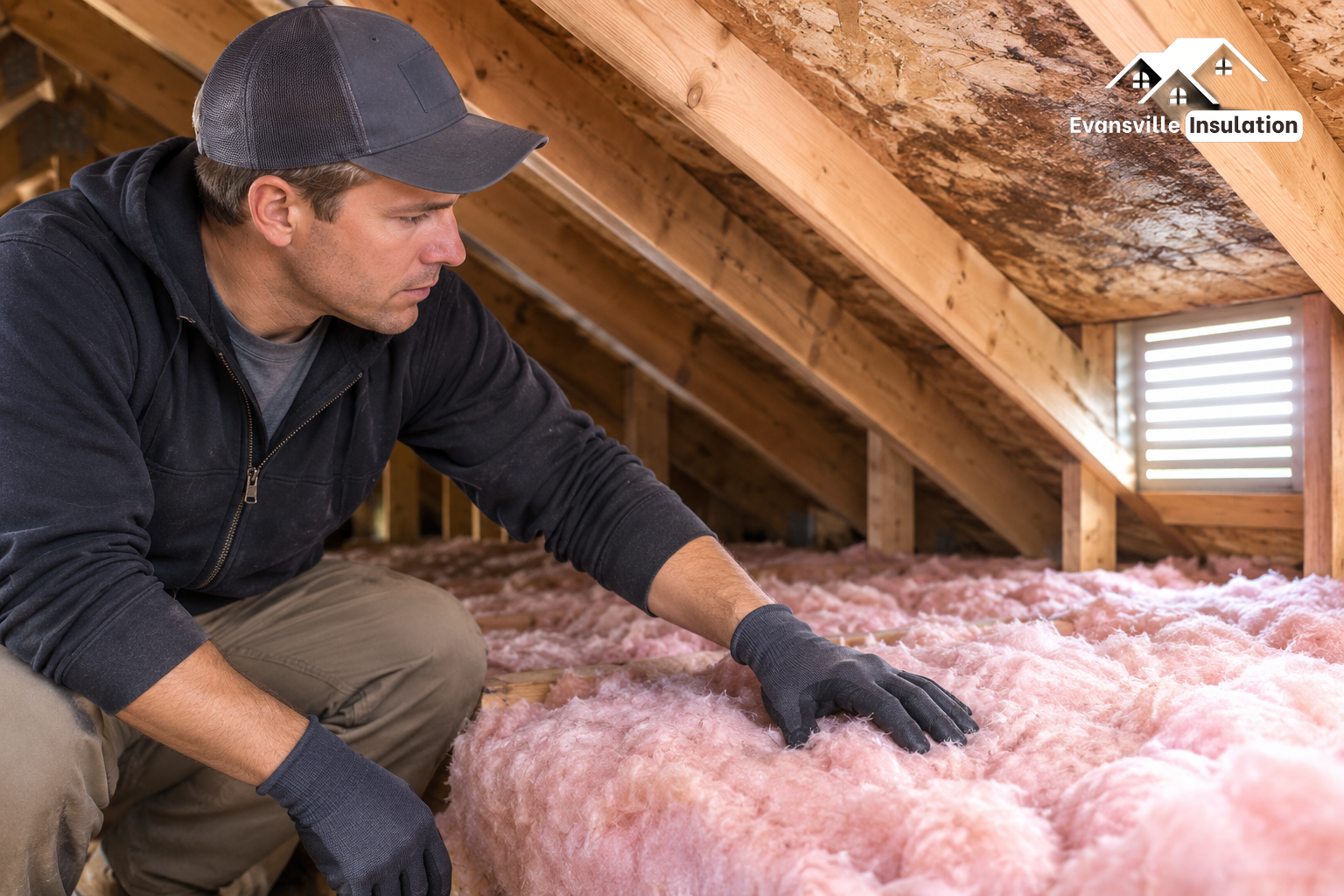
Homes with poor attic insulation can lose a lot of heat this way. Research shows that improving attic insulation with options like blown-in cellulose or fiberglass insulation can significantly improve thermal performance. It's not just about adding more insulation but ensuring it's installed correctly.
How Drafts Affect Comfort and Energy Efficiency
Daily Comfort Problems
A drafty home is more than just a slight chill. It can lead to cold floors, uncomfortable seating areas, temperature swings between rooms, and constant thermostat adjustments. Some describe it as a "moving cold spot" or a room that never seems to warm up.
When temperatures vary from room to room, people often set the thermostat higher than necessary, increasing energy use without fixing the root cause. If your home also suffers from noise transfer, adding sound insulation can help create a quieter, more comfortable environment.
Higher Utility Bills and HVAC Strain
Drafts can waste energy by allowing conditioned air to escape while letting unconditioned air in. This makes your HVAC system run longer, increasing wear and tear. Proper air sealing and insulation can save you 10% to 20% annually on energy bills, depending on your home's condition and climate.
This is especially important in areas with extreme temperatures. If you're curious about how insulation impacts your bills, check out our article on how poor insulation raises energy bills.
Moisture and Building Durability Concerns
Drafts can also lead to moisture issues, especially when warm air moves into cold spaces and condenses. Over time, this can damage materials, reduce insulation effectiveness, and even lead to mold growth. Even if the air feels dry, uncontrolled airflow can create hidden moisture risks.
This is why experts recommend addressing drafts with a holistic approach, rather than just focusing on comfort complaints. Proper insulation, sealing, and ventilation should all work together to manage airflow effectively.
How to Find the Source of Drafts
Start with a Simple Home Inspection
Begin by looking for obvious signs of air leakage. On a windy or cold day, feel around windows, doors, baseboards, outlets, attic access points, and plumbing penetrations. A lit incense stick or tissue strip can help you see where the air is moving.
Focus on areas above garages, corners of exterior walls, and spots near chimneys or chase ways. These often have more gaps than you might expect. Don't forget to check the attic and basement, as leaks there can affect the whole house's comfort.
Use a Professional Home Energy Audit
If you can't pinpoint the problem, consider a home energy audit. Professionals use tools like blower door testing and infrared imaging to find hidden leaks. This is valuable if you've already replaced windows or doors but still feel drafts.
The Environmental Protection Agency suggests that home performance improvements are most effective with a whole-home diagnosis. The EPA's guide on home energy audits explains how these assessments can target the most impactful fixes.
Check for Signs of Insulation Failure
Insulation can settle, compress, get damp, or be unevenly installed. If your attic insulation looks patchy or flattened, it might need improvement. In wall cavities, damaged insulation can be harder to detect without inspection tools, so expert help might be needed.
Homes with older materials might have insulation that doesn't perform as well today. Upgrading to blown-in insulation or wall insulation can help reduce drafts and improve comfort.
Best Solutions for a Drafty Home
Seal Leaks Before Adding More Insulation
Start by sealing air leaks before or alongside insulation upgrades. If you skip this step, conditioned air can still move through the house, reducing the benefits of new insulation. Use caulk, spray foam, weatherstripping, and other sealing materials to close gaps.
Focus on the attic, basement, and rim joists, as these are major air movement pathways. Sealing small gaps may seem minor, but the overall effect can be significant.
Upgrade Attic, Ceiling, and Roof Insulation
Since heat rises, the attic is a key area to improve if your home feels drafty. Lack of attic insulation can let warm air escape, making rooms below feel colder. Adding proper insulation depth here can help stabilize the whole house's temperature.
Consider roof insulation and ceiling insulation too. For homes with accessible attic spaces, improving insulation overhead is one of the most effective comfort upgrades you can make.
Address Walls, Basements, and Crawl Spaces
Drafts can also travel through wall cavities, basement rim joists, and crawl spaces. If you have cold floors or chilly exterior walls, these areas might need attention. Wall insulation can cut down on air movement and help maintain a stable indoor temperature.
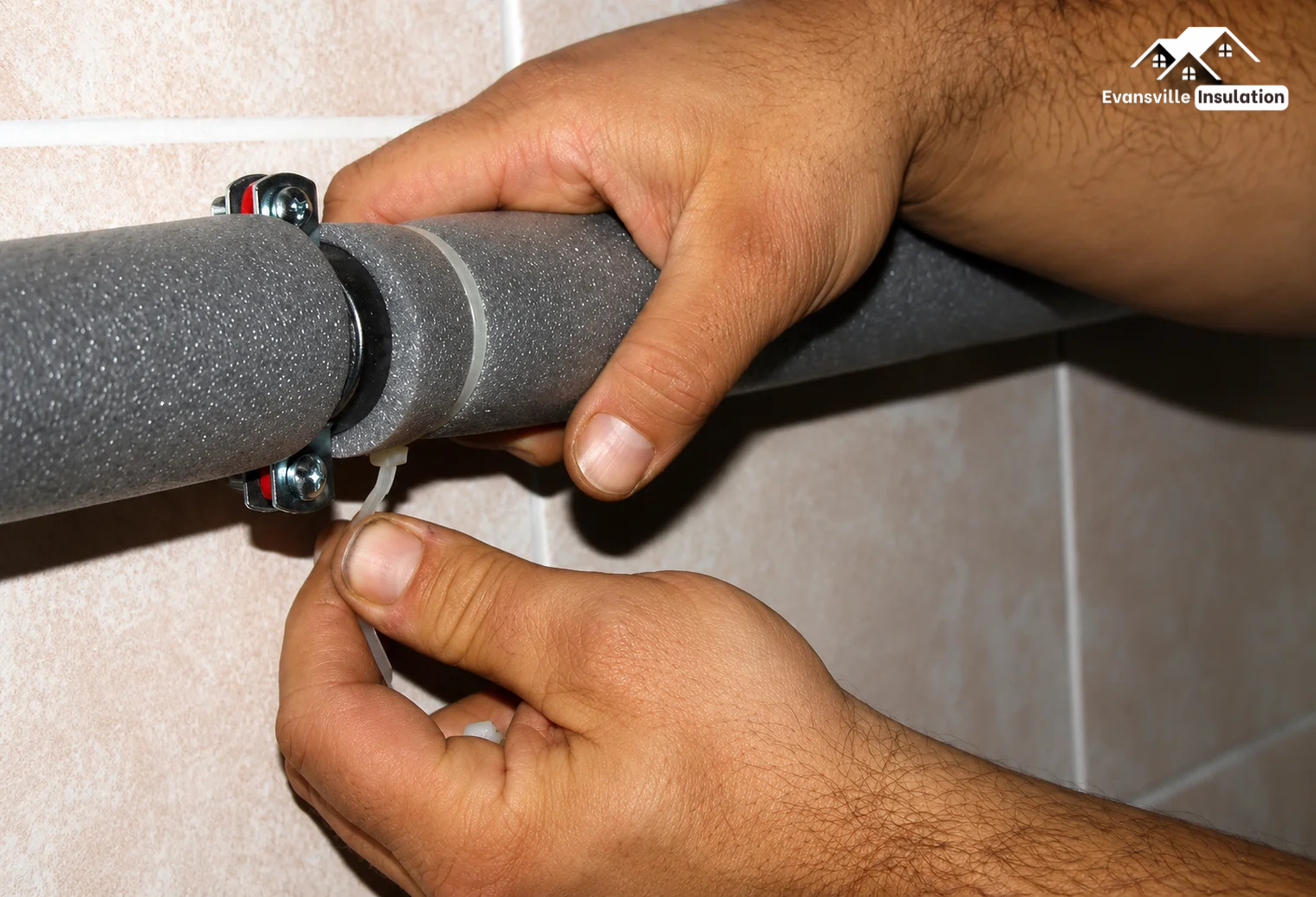
For homes with exposed pipes in unconditioned spaces, pipe protection can be crucial. Pipe wrapping and pipe boot insulation can help reduce heat loss around utility lines and close off air pathways contributing to drafts.
Replace Worn Materials and Maintain the System
Even the best sealing products don't last forever. Weatherstripping can crack, caulk can separate, and insulation can shift over time. Regular maintenance is key, as drafts often return when materials fail.
A seasonal inspection can catch small issues before they become bigger problems. Checking attic access panels, exterior penetrations, and basement rim areas at the start of heating season can help preserve comfort and prevent energy waste.
Why New Windows Alone Usually Don’t Fix the Problem
Windows Matter, But They're Only Part of the System
Replacing old windows can help with comfort, but it won't always eliminate drafts if the main leaks are in the attic, basement, or walls. That's why some homeowners feel dissatisfied after spending money on window upgrades.
The better strategy is to consider the entire building envelope. Windows, doors, insulation, and air sealing all work together. If one part is weak, the whole house can still feel drafty.
Real-World Example: The Attic Was the Real Issue
Take, for example, a case from Horizon Homes. A homeowner replaced windows expecting drafts to disappear but found the problem persisted. A thorough inspection revealed inadequate attic insulation and unsealed gaps as the real culprits. Once those were fixed, comfort and energy efficiency improved. Read more about it here.
Such examples show why expert diagnosis is better than guesswork. Homeowners often focus on the visible parts of their homes, while the biggest issues might be hidden.
When Window Replacement Makes Sense
Sometimes, old windows are part of the problem, especially if they're damaged or have failed seals. In these cases, replacement is worthwhile, but it should be part of a larger strategy.
Combining window improvements with air sealing and insulation upgrades usually yields better results. This integrated approach helps maintain steady indoor temperatures, improves HVAC performance, and leads to more predictable energy savings.
What Homeowners in Indiana Should Pay Attention To
Climate and Seasonal Pressure Changes
In Indiana, homes experience hot summers and cold winters, which constantly stress the building envelope. These temperature swings can reveal areas where insulation is no longer effective. During heating season, even small gaps can feel much bigger.
For those in Evansville, maintaining year-round comfort means focusing on attic insulation, wall cavities, and sealing around penetrations. If you're exploring options, consider services like blown-in cellulose insulation or spray foam insulation.
Older Homes Need a Detailed Approach
Older homes may have charm, but they often have more paths for air leaks. Materials settle, framing shrinks, and previous repairs might leave hidden gaps. These homes benefit from detailed inspections and tailored plans rather than one-size-fits-all upgrades.
In historic neighborhoods, the aim is to improve performance without losing the home's character. That means using the right insulation in the right places and sealing carefully around the edges.
Choosing the Right Contractor Matters
Diagnosing drafts is part science, part craftsmanship. A reliable contractor will evaluate insulation levels, air leakage, ventilation, and moisture conditions together for durable results.
Evansville homeowners often benefit from working with teams familiar with local weather patterns and building conditions. If you're considering upgrades, our pages on attic insulation and roof insulation are good starting points.
Frequently Asked Questions About Drafty Homes
Why Does My House Feel Cold Even When the Heat Is On?
The issue is usually not the thermostat setting but heat escaping through hidden gaps or poorly insulated areas. Cold surfaces, air movement, and pressure differences can make the air feel colder than it is. If your system is running but comfort is poor, your building envelope likely needs attention.
How Do I Know If I Need More Insulation or More Air Sealing?
Most homes need both, but the priority depends on what an inspection reveals. Visible gaps, drafty penetrations, or a strong blower-door reading might mean air sealing is the first step. If insulation is thin or missing, adding more is essential for long-term performance.
Can Drafts Come from Electrical Outlets and Switches?
Yes, exterior wall outlets and switches can allow air movement, especially if your home has minimal wall insulation. Foam gaskets and careful sealing can help reduce this problem. While outlet leakage might not be the biggest source of drafts, it contributes to the overall discomfort in a room.
Is a Home Energy Audit Worth It?
For many homeowners, yes. A home energy audit removes guesswork and gives you a prioritized plan for improving comfort and efficiency. Instead of blindly replacing equipment or materials, you can focus your budget where it will make the biggest difference.
Next Steps: Turn a Drafty House into a Comfortable One
Start with the Biggest Problem Areas
If your home feels drafty, don't assume the answer is a simple window upgrade. Begin with an inspection of the attic, basement, rim joists, and hidden penetrations. These areas often provide the quickest improvements.
Work outward from there. A balanced combination of sealing, insulation, and maintenance usually works better than any single fix. This is especially true in homes that have seen multiple seasons of wear and tear.
Use a Whole-Home Strategy for Lasting Results
The best draft solutions treat the building as a system. Air sealing stops unwanted movement, insulation slows heat transfer, and regular maintenance keeps both working well. When all three are in place, your home becomes easier to heat, easier to cool, and much more comfortable.
If you're ready to explore improvements, Evansville Insulation can help you evaluate whether your home would benefit most from wall insulation, blown-in insulation, or another targeted upgrade. A thoughtful plan can improve comfort without unnecessary expense.
Take Action Before the Next Season Change
Draft problems rarely get better on their own. They often worsen as materials age and weather conditions become more extreme. Addressing the issue now can lead to lower bills, steadier temperatures, and a more comfortable living space throughout the year.
If you want a more efficient and comfortable home, the next step is simple: schedule an expert evaluation, identify the true causes of the drafts, and fix them in the right order. For homeowners in the area, Evansville Insulation is ready to help you create a tighter, better-performing home with solutions designed for real Indiana weather. Contact us to get started and stop letting hidden air leaks control your comfort.