Why Some Rooms in Your Home Feel Hotter or Colder Than Others
Ever notice how one room in your house feels like a sauna while another could double as an icebox? You're not alone. Many homeowners face this issue, where a bedroom is chilly in the morning, the upstairs office feels stuffy by afternoon, and the living room never seems to match the thermostat. The good news? There are usually fixes once you get a handle on the basics, like airflow, insulation, ductwork, and the layout of your home. Often, a professional assessment is the first step, and solutions might include upgrades like attic insulation or wall insulation.
Temperature imbalances usually aren't due to a single issue. Instead, they often come from a mix of air leaks, insufficient insulation, poorly balanced HVAC delivery, and changes in sun exposure or room location. The U.S. Department of Energy highlights that proper insulation and air sealing can really boost home comfort and slash energy waste—two of the best long-term fixes around. So, let's dive into why some rooms feel hotter or colder than others, what you should check first, and which solutions pack the most punch. Whether your problem is a cold bedroom, a warm upstairs hallway, or a drafty basement, understanding the root cause is your first step to a more comfortable and efficient home.
What Causes Uneven Temperatures in a House?
Air Leaks and Poor Insulation
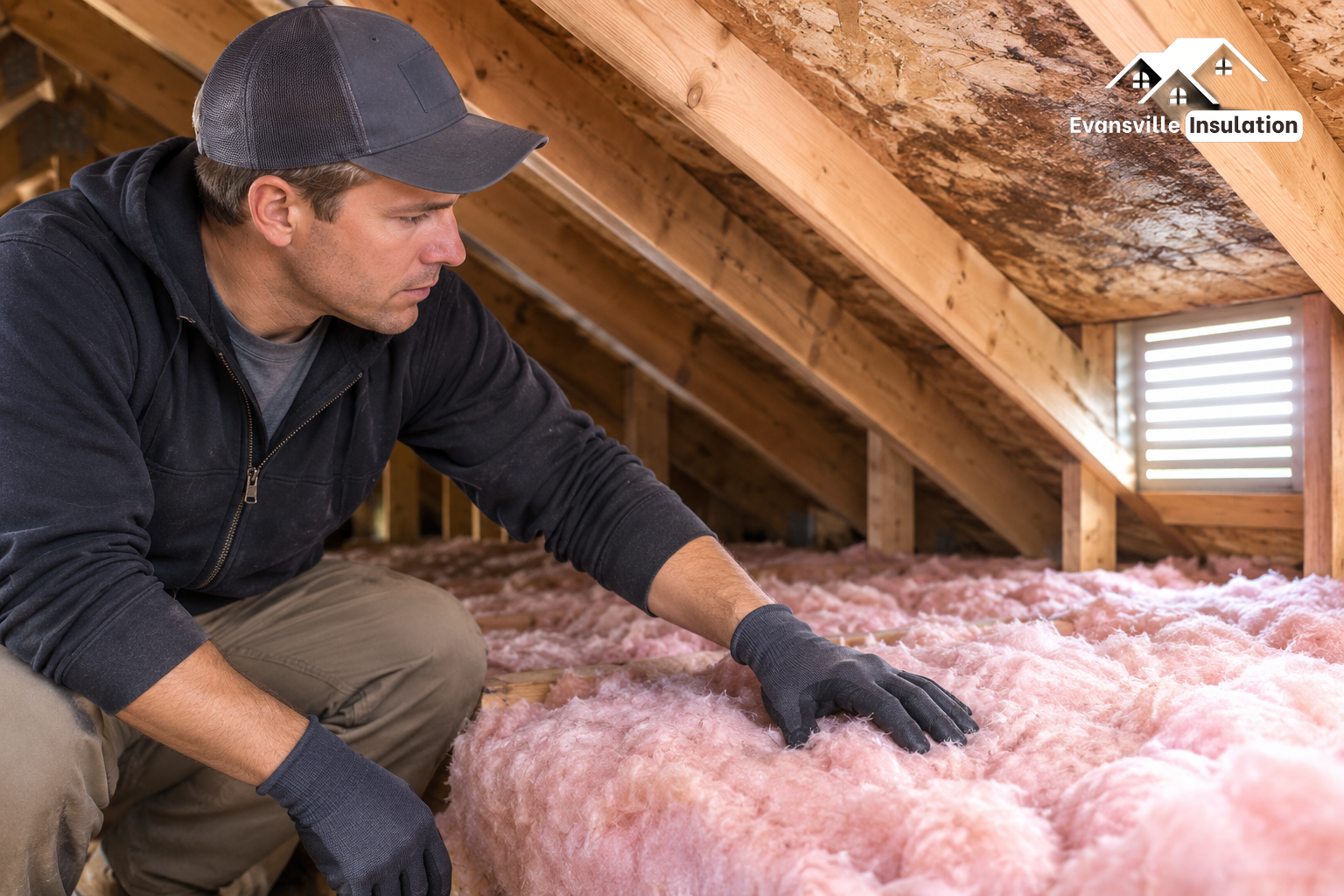
Biggest cause of uneven indoor temperatures? Heat is escaping where it shouldn't. Warm air can leak out through attic gaps, wall cavities, and around plumbing or wiring, while cold air sneaks in through the same spots. If your insulation is thin, missing, or damaged, rooms become harder to keep comfy because they lose heat faster in winter and soak up heat faster in summer.
Rooms near attics, garages, crawl spaces, and exterior walls are especially vulnerable. A bedroom above an unconditioned garage often feels colder because the floor has less protection from outside temperatures. Upgrading with spray foam insulation or blown-in insulation can cut these differences by sealing gaps and boosting thermal resistance.
Blocked or Imbalanced Airflow
Your HVAC system might be pumping out enough heated or cooled air overall, but that doesn't mean each room gets an equal share. Supply vents might be blocked by furniture, return vents could be undersized, or duct runs might be too long for certain areas. When airflow isn’t balanced, some rooms get too much conditioned air while others receive too little.
Experts in HVAC design say duct layout, register placement, and airflow resistance all affect comfort. The Air Conditioning Contractors of America notes that proper system design and balancing are vital for even performance, especially in homes with additions or multiple levels. If ducts are leaking or disconnected, a ductwork inspection can reveal where conditioned air is being lost before it reaches the room that needs it.
Sun Exposure, Room Usage, and Home Layout
Not every temperature problem is mechanical. South-facing rooms heat up faster in the afternoon from direct sunlight, while north-facing rooms stay cooler. Rooms with high ceilings, large windows, or minimal interior walls also respond differently to outdoor weather and indoor heat gain. Even how a room is used can affect comfort, since electronics, cooking, and occupancy all add heat.
That’s why a bedroom on the west side of a house may feel hot in the evening while a basement office stays cool all day. These differences are normal to some extent, but when they become extreme, a home energy review can identify whether the root problem is building science, HVAC delivery, or both. Often, the answer is a combo of insulation upgrades and air management improvements rather than a single fix.
Why Bedrooms, Upstairs Rooms, and Basements Are Often the Worst Offenders
Bedrooms Can Be Colder Due to Insulation Gaps
Bedrooms often feel colder than the rest of the house because they’re on outer walls, above garages, or near attic spaces. If insulation is inconsistent in those areas, heat escapes faster than in interior rooms. A cold bedroom is also common when return air is limited, as stale air doesn’t cycle out efficiently, and the supply vent may not deliver enough warm air to offset heat loss.
Ever notice that closing the bedroom door makes it even colder? That happens because the HVAC system may need a return path to move air properly, and a sealed room can reduce circulation. Solving the problem might involve insulation improvements, better vent balancing, or a zoning strategy that delivers conditioned air more effectively to that room.
Upstairs Rooms Get Hotter Due to Heat Rise and Roof Exposure
Warm air naturally rises, so upper floors already start at a disadvantage. Add roof exposure, sun gain, and weak attic insulation, and the temperature difference can become noticeable quickly. Studies and field observations often show that unbalanced HVAC systems can create room-to-room temperature differences of up to 10°F, especially in older homes or properties with poor attic insulation.
This is where roof insulation and ceiling insulation become especially valuable. By limiting heat transfer through the top of the house, they help the cooling system keep upper rooms closer to the thermostat setting. In hot weather, that can mean fewer temperature swings, less overcooling of lower floors, and lower monthly utility costs.
Basements and Lower Levels Feel Damp or Chilly
Basements often stay cooler because they’re surrounded by soil, concrete, and minimal solar heat gain. That might sound like a good thing in summer, but it can make the lower level uncomfortable during winter or in shoulder seasons. Moisture and air leakage can make the problem worse by creating a damp, drafty feeling even when the thermostat is set correctly.
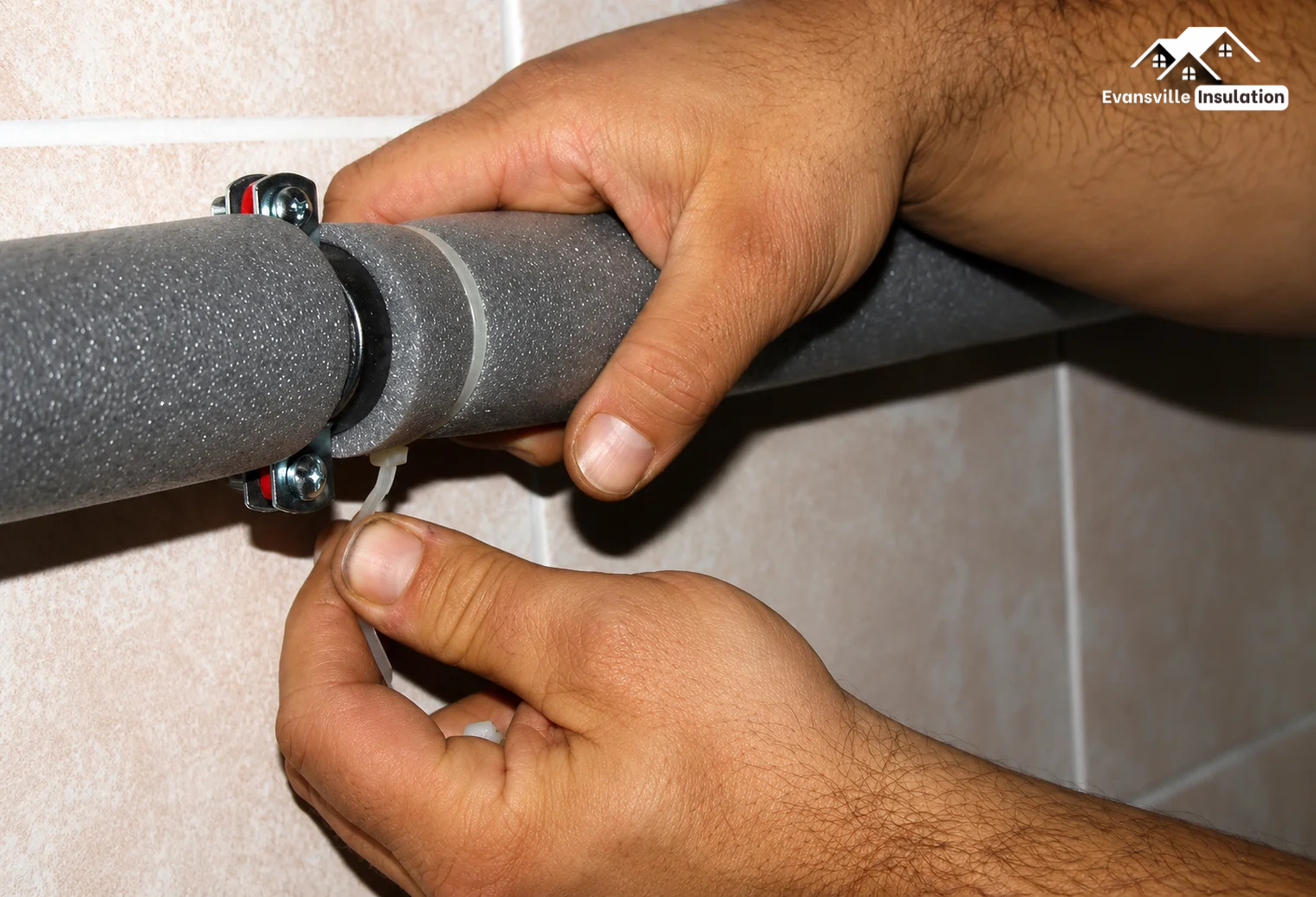
Insulating basement walls and sealing rim joists can dramatically improve comfort because those areas are major pathways for heat loss. If your home has exposed piping or vulnerable utility lines, pipe wrapping and pipe boot insulation can also help protect against cold spots and reduce the risk of winter damage. These details are small individually, but together they make a noticeable difference in how the lower level feels.
How Smart Home Technology and Zoning Are Changing Comfort Control
Smart Thermostats Help Identify Patterns
Smart thermostats and connected HVAC controls are all the rage in home comfort. These systems do more than change the temperature on a schedule. They track runtime, cycling patterns, humidity, and room-specific performance, helping homeowners spot when and where temperature imbalances occur. Sometimes, the data shows one floor always lags, revealing a need for better insulation or airflow adjustments.
Smart controls are useful, but they’re not a fix for a poorly built thermal envelope. They help fine-tune comfort but can’t solve a major air leakage problem alone. Pairing smart controls with blown-in cellulose insulation or other building upgrades is often the best way to create steady temperatures across the whole home.
Zoning Systems Offer Room-by-Room Control
Zoning systems are another big development in home comfort. They divide a house into separate areas, each with its own temperature control, so the upstairs, downstairs, and main living spaces can be managed independently. This is especially helpful in larger homes, homes with multiple stories, or homes with rooms that get uneven sun exposure.
But zoning works best when the home’s insulation and ductwork are already in good shape. Otherwise, the system may have to compensate for structural heat loss or gain that should have been addressed first. So, zoning is often most effective as part of a broader efficiency strategy that includes duct sealing, insulation upgrades, and airflow balancing.
Advanced Insulation Materials Improve Consistency
Modern insulation products do more than just add thickness. Spray foam can seal irregular gaps and reduce air movement, while reflective barriers cut down on radiant heat transfer in attic spaces. These newer materials are part of a shift toward whole-home performance, where comfort, efficiency, and durability are treated as connected goals.
For homes with mixed comfort problems, a layered approach often works best. For instance, attic air sealing might stop heat from entering upstairs rooms, while wall insulation helps stabilize room temperatures throughout the day. If you’re comparing options, fiberglass insulation is a solid choice for many walls and ceilings, while spray foam is ideal when sealing is the top priority.
How to Diagnose Uneven Temperatures Before You Call a Pro
Check Vents, Registers, and Furniture Placement
Start with the basics. Make sure supply vents are fully open and not blocked by rugs, curtains, bookshelves, or couches. A blocked register can reduce airflow enough to create a noticeable hot or cold spot, especially in smaller rooms. Also, check return vents, because a room with poor return airflow may not circulate conditioned air effectively even if the supply vent seems strong.
It’s also worth looking at the temperature patterns by time of day. If a room gets hotter only in the afternoon, sun exposure may be the main issue. If it’s always colder, then insulation, air leakage, or duct delivery is more likely. Simple observations like these can help narrow down the cause before you spend money on a larger repair.
Inspect Insulation in Attics, Basements, and Exterior Walls
Next, check areas that often lose energy. Attics are one of the biggest culprits because heat rises, and roof decks absorb a ton of solar energy. Basements, crawl spaces, and knee walls can also create trouble if they’re under-insulated or unsealed. In many homes, a professional home energy audit is the fastest way to identify where the building envelope is failing.
The Building Performance Institute and the U.S. Department of Energy both stress the value of air sealing and insulation as first-line improvements for efficiency. A thorough inspection can reveal missing insulation, thermal bridging, and air pathways that are invisible to the naked eye. Once those problem areas are found, the repair plan becomes much more precise and cost-effective.
Look for Signs of Duct Leakage or Imbalance
If one room always gets less air than others, duct problems might be involved. Leaks in the supply ducts can send conditioned air into attics, crawl spaces, or wall cavities instead of the room you’re trying to heat or cool. Long duct runs, crushed ducts, and poorly designed branches can also reduce delivery to distant rooms.
In many cases, homeowners notice that the thermostat says one thing while certain rooms feel dramatically different. That mismatch is a strong clue that the problem isn’t the thermostat itself but the distribution system behind it. An HVAC contractor or insulation professional can inspect these pathways and recommend whether duct sealing, layout adjustments, or insulation upgrades will have the biggest impact.
Real-World Example: A Home in Evansville With Hot Upstairs Rooms
The Problem
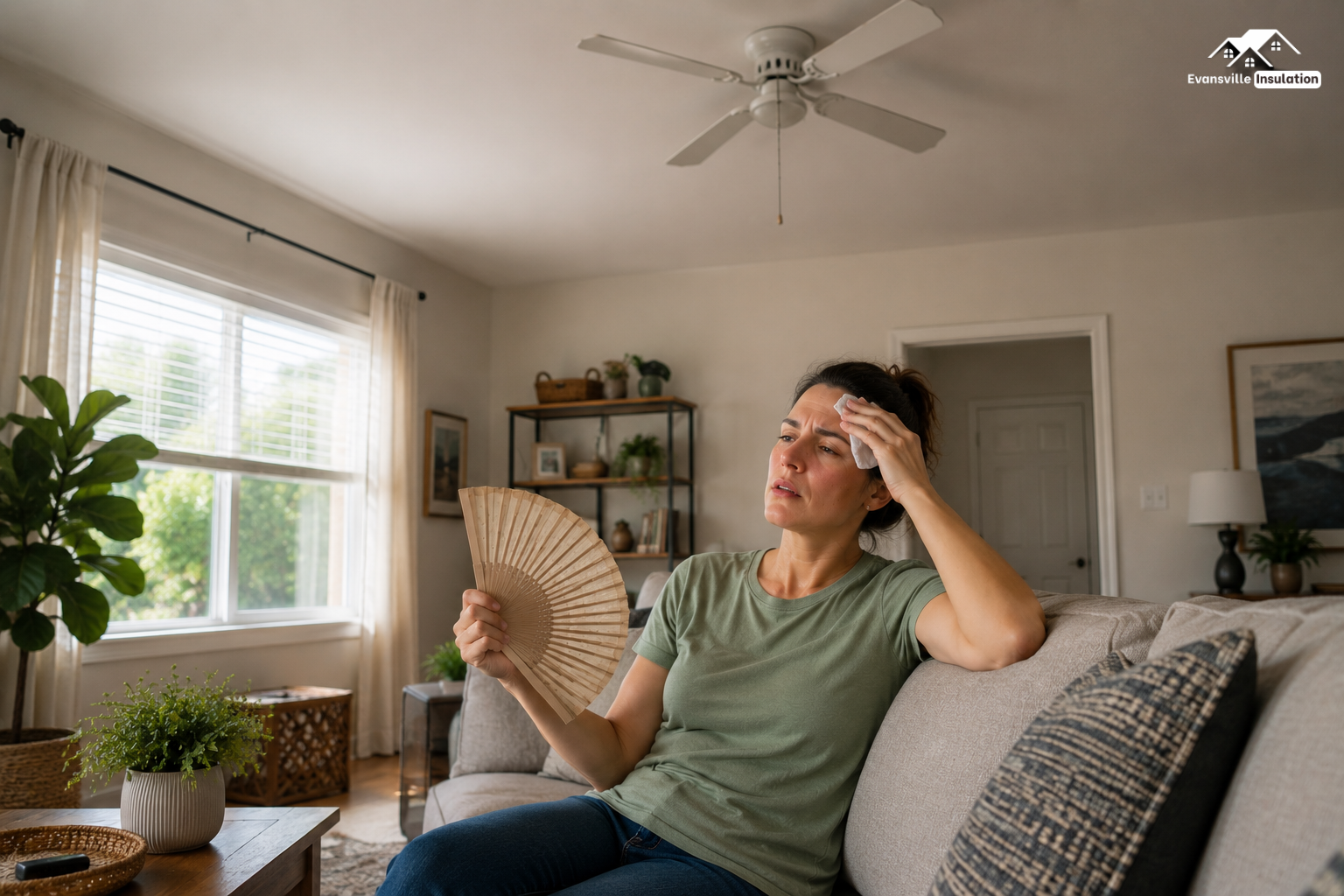
A recent case involved a homeowner in Evansville who reported that upstairs bedrooms were much warmer than the main floor, especially during the summer. The family had tried using fans and closing vents in the downstairs rooms, but the problem kept returning. Their utility bills were also rising, suggesting the system was working harder than it should.
When the home was evaluated, the attic insulation was found to be inadequate for the climate, and air leaks around recessed fixtures and top plates were allowing heat to build up in the upper floor. The HVAC system itself was functional, but it couldn’t overcome the heat gain coming through the roofline.
The Solution
After the inspection, the homeowners upgraded the attic with better insulation and improved air sealing. The work reduced heat transfer from the roof deck and helped stabilize the upstairs temperature. Once the building envelope was improved, the HVAC system no longer had to fight constant attic heat gain, and the upstairs rooms became noticeably more comfortable.
This type of example is common in Indiana homes because seasonal extremes can expose weaknesses in insulation quickly. In summer, attic heat makes upper floors uncomfortable. In winter, the same problem can make those rooms feel drafty and expensive to heat. That’s why services like attic insulation are often one of the top upgrades a homeowner can make.
Best Ways to Balance Temperature Between Rooms
Prioritize Air Sealing First
Before adding more insulation, seal the air leaks that are letting conditioned air escape. Common leak points include attic hatches, recessed lights, plumbing penetrations, electrical holes, and top plates. Air sealing boosts the effectiveness of any insulation already in place, and it helps prevent outside air from undermining your comfort improvements.
In simple terms, insulation slows heat transfer, but air sealing stops unwanted airflow. You need both for the best result. If you skip the sealing step, new insulation may still perform below expectations because air can move around or through weak points in the building shell.
Upgrade the Right Insulation in the Right Place
Different parts of the home benefit from different materials. Walls might do well with blown-in insulation or fiberglass, while hard-to-seal gaps may need spray foam. Attics often benefit from a combination of air sealing and additional loose-fill insulation, especially if the existing layer is thin or uneven. The best choice depends on the structure, the problem room, and the existing assembly.
Homeowners sometimes focus on the most uncomfortable room first, but the most effective plan addresses the whole system. For example, improving ceiling insulation in one section of the house may reduce both overheating upstairs and heat loss downstairs. That’s why a professional can often identify a broader solution than a single room-by-room fix.
Use Fans and Vents Strategically
Fans don’t fix the root cause, but they can improve short-term comfort by helping air circulate more evenly. Ceiling fans can reduce the feeling of stuffiness in warm rooms, and portable fans can move air from one area to another. In some homes, small vent adjustments may also improve distribution, although those changes should be made carefully so they don’t increase pressure imbalances elsewhere.
If you use fans to supplement a temperature imbalance, think of them as a support tool rather than the main solution. They can make a room feel better temporarily, but they won’t stop heat loss through a poorly insulated attic or a cold draft entering through a wall cavity. That’s why long-term comfort usually depends on structural improvements, not just airflow tricks.
Why Insulation Contractors Are Key to Solving the Problem
They Assess the Whole Building Envelope
Insulation contractors look beyond the thermostat and evaluate how the home actually performs. They examine where heat moves, where air leaks, and which assemblies are failing to hold steady temperatures. That whole-home perspective matters because a room that feels hot or cold is often reacting to hidden building science issues rather than a simple HVAC setting.
For example, a contractor may discover that the problem room is next to a poorly insulated attic knee wall, an unsealed return path, or a leaky duct run. Fixing those issues can produce a bigger improvement than simply adding more cooling capacity. It also helps the homeowner avoid paying for repairs that don’t solve the real problem.
They Match Materials to Climate and Structure
Not every home needs the same insulation strategy. A ranch home, a two-story house, and an older property with mixed additions may all need different approaches to get even temperatures. Insulation contractors understand how climate, architecture, and material performance interact, which helps them recommend targeted upgrades rather than generic fixes.
This is especially important in regions with hot summers and cold winters, where the same room may have opposite comfort problems depending on the season. By choosing the right product and installation method, a contractor can help the home perform better all year long. That’s one reason many homeowners turn to an experienced insulation contractor when comfort problems become persistent.
They Help You Get More from Your HVAC System
A well-insulated home makes the HVAC system’s job easier. Once heat loss and air leakage are reduced, the equipment runs fewer long cycles and spends less energy correcting avoidable losses. That can improve comfort, lower wear on the system, and reduce utility costs over time.
Advice from organizations like ENERGY STAR and the U.S. Department of Energy consistently supports the idea that insulation, air sealing, and proper airflow are foundational to home performance. In other words, the HVAC system shouldn’t be expected to fix a shell problem on its own. The best results come when the building envelope and the mechanical system work together.
Frequently Asked Questions About Uneven Room Temperatures
Why Is My Bedroom Colder Than the Rest of the House?
Common causes include poor insulation, blocked vents, drafts, and the bedroom’s location near an exterior wall, attic, or garage. If the room loses heat faster than the surrounding areas, it will naturally feel colder. A professional assessment can help determine whether insulation, airflow, or ductwork is the real issue.
How Can I Balance the Temperature Between Rooms?
Start by checking for blocked vents and obvious air leaks, then look at insulation levels in the attic, walls, and basement. Fans can help move air in the short term, but lasting results usually come from sealing leaks and upgrading insulation. In some homes, zoning systems or duct corrections are also helpful.
Do Smart Thermostats Fix Hot and Cold Rooms?
Smart thermostats can improve control and reveal patterns, but they don’t solve structural heat loss or poor airflow on their own. They are most effective when paired with insulation upgrades and proper system balancing. Think of them as a tool for managing comfort, not a replacement for building improvements.
When Should I Schedule a Home Energy Audit?
If you notice recurring hot and cold spots, rising energy bills, or a room that never matches the thermostat, an audit is a smart next step. A comprehensive evaluation can identify hidden leaks, insulation gaps, and airflow issues. That makes it easier to prioritize the most effective repair first.
Conclusion: A Comfortable Home Starts With the Right Fixes
Uneven room temperatures usually mean your home needs better airflow, stronger insulation, or both. While every house is different, the most common causes are surprisingly consistent: air leaks, weak insulation, duct imbalances, and natural heat gain from sun exposure and layout. Once you identify which of those factors is affecting your home, the path to better comfort becomes much clearer.
If you want rooms that stay more consistent throughout the day, start with the building envelope. Improve air sealing, upgrade insulation where it’s weakest, and make sure the HVAC system can deliver air efficiently to every part of the home. For homeowners who want expert help, Evansville Insulation offers solutions designed to improve comfort, efficiency, and long-term performance. If you’re ready to take the next step, explore our services, request an assessment, and start turning uneven temperatures into steady, reliable comfort.