Are your energy bills creeping up, and your home still feels drafty? It might not just be your HVAC system to blame. Poor insulation could be silently costing you money by letting heat escape in the winter and enter in the summer. If you're weighing options like attic insulation or spray foam insulation, the real question is how much it's costing you to ignore insulation issues.
The U.S. Department of Energy says insulation works best when combined with air sealing and correct installation. Even top-notch insulation won't do the trick if there are gaps. You can check out their guide on types of insulation and their benefits. In many homes, especially older ones, hidden costs show up as uneven room temperatures, overworked equipment, and high bills.
This guide will show you how poor insulation can waste money, how to notice the signs, which improvements give the best return, and when to call a professional insulation contractor in Evansville, IN. If you want comfort, energy efficiency, and lower utility costs, keep reading for some smart solutions.
Why Poor Insulation Costs More Than You Think
Heat Loss and Gain: A Year-Round Issue
Insulation is supposed to slow down heat movement. In winter, it keeps warm air in. In summer, it keeps the hot outdoor air out. If insulation is missing, thin, damaged, or poorly installed, your home has to work harder to maintain a comfortable temperature. That means your furnace and air conditioner run longer, use more electricity or fuel, and wear out faster.
This impact is especially noticeable in climates with hot summers and cold winters. Evansville weather challenges homes in both directions, which makes attic, wall, and roof upgrades valuable starting points. Homeowners who invest in wall insulation or roof insulation often see more consistent temperatures and less energy waste.
Air Leaks Make Insulation Problems Worse
Insulation and air sealing need to work together. If your house has cracks around windows, doors, plumbing, attic openings, or recessed fixtures, conditioned air escapes, and outside air sneaks in. The Department of Energy suggests sealing those leaks before adding insulation. Their guide on do-it-yourself home energy assessments can help you figure out what to look for before making improvements.
A home may look insulated on paper and still lose money each month due to leaks. Even if the R-value is good, poor air sealing can make your home uncomfortable and drive up utility costs. That's why a professional approach often works better than quick fixes.
The Hidden Cost: HVAC Wear and Tear
When insulation is weak, your HVAC system has to pick up the slack. Longer run times can increase maintenance needs, shorten equipment life, and lead to more frequent repairs. Even if you don't notice a dramatic change in one month, the long-term cost adds up. Addressing insulation can help protect the systems you've already invested in.
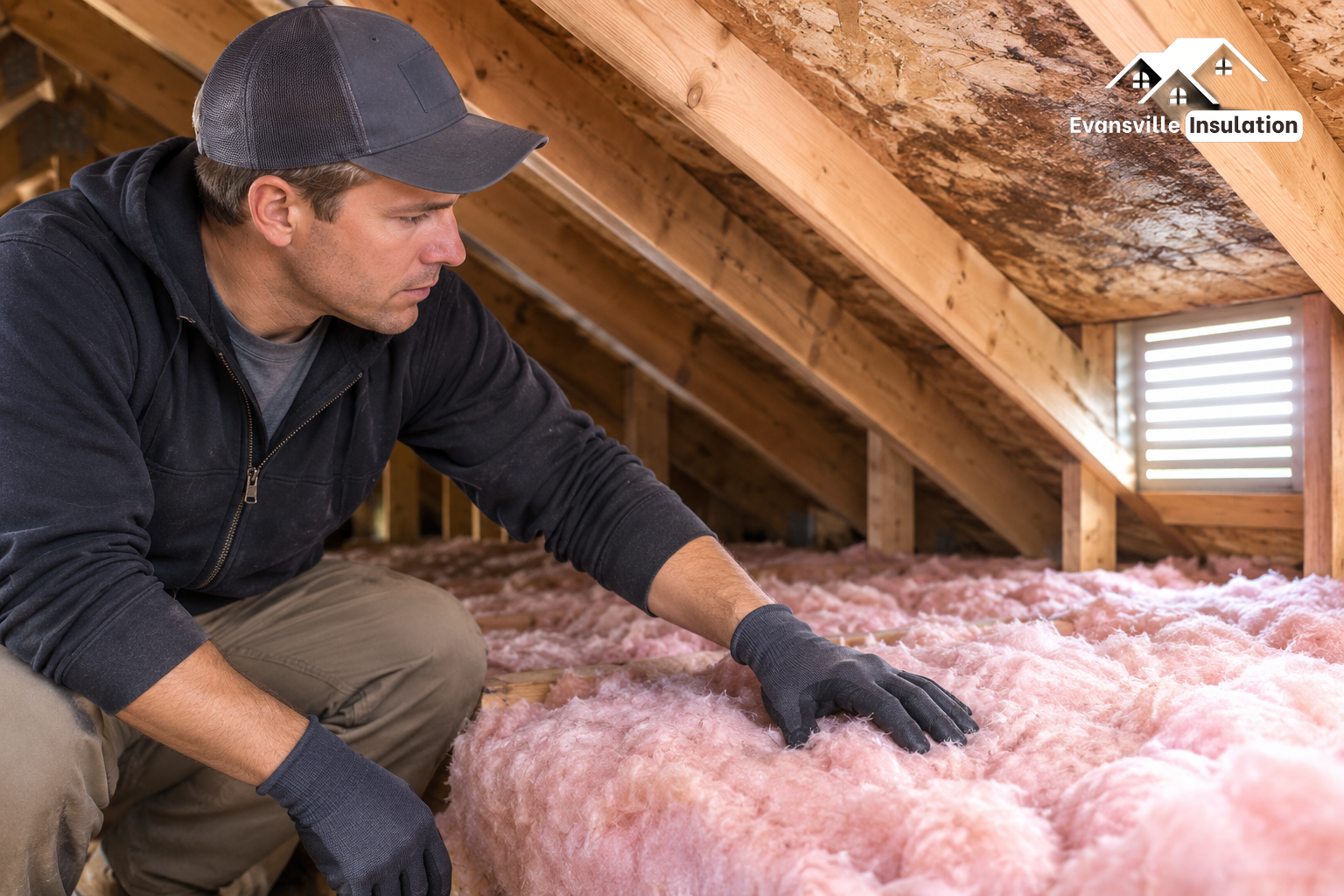
That's why solutions like blown-in insulation and fiberglass insulation are often recommended as part of a larger efficiency plan. These materials improve thermal resistance and support steady indoor comfort when installed correctly.
Signs Your Home May Be Underinsulated
High Utility Bills Without a Clear Explanation
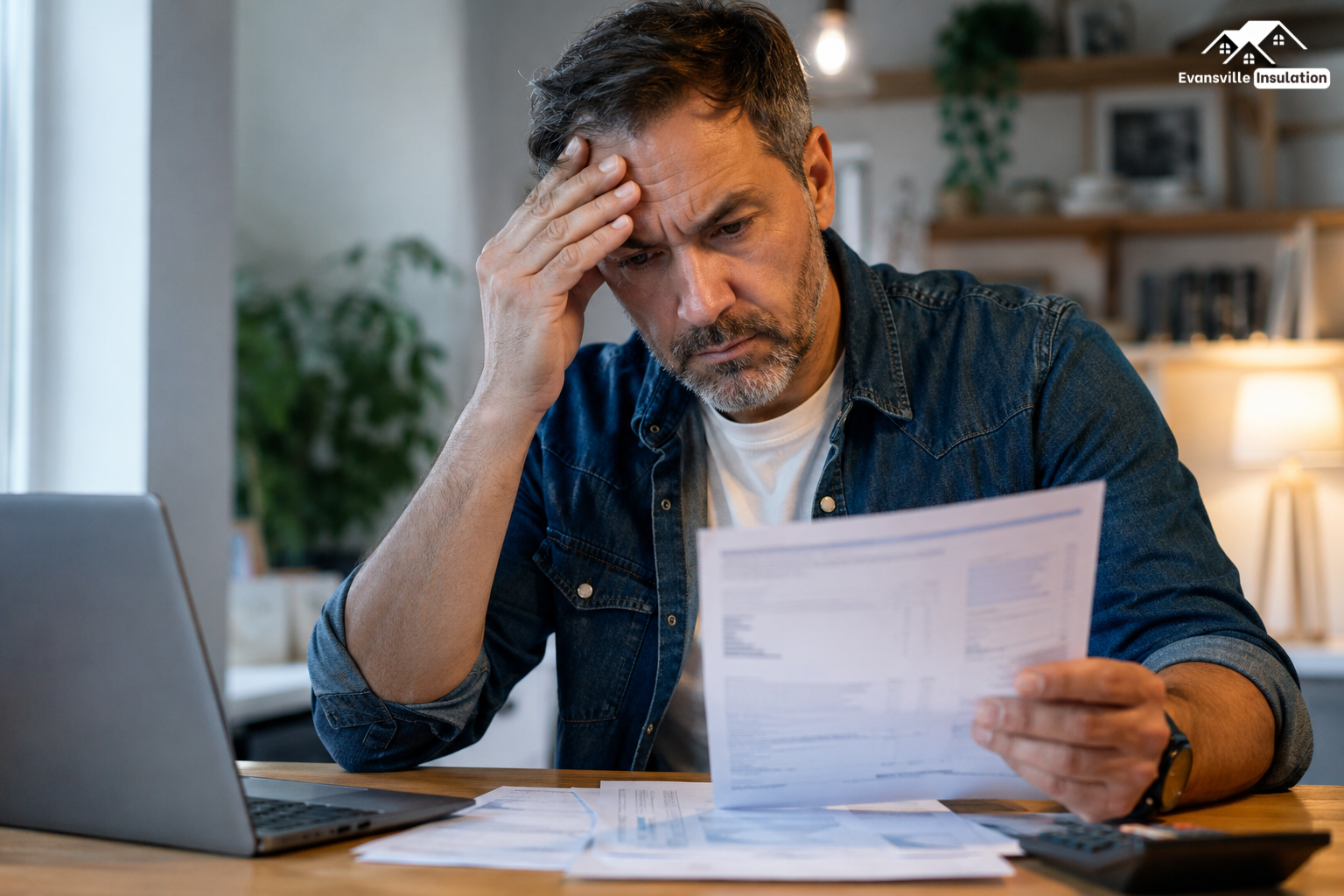
If your energy bills are high but your usage hasn't changed much, poor insulation might be part of the problem. Underinsulated homes often require more heating and cooling to keep the same temperature, which shows up directly on the bill. One clue is seasonal spikes that seem larger than expected compared to similar homes nearby.
Consumer Reports says many U.S. homes are underinsulated and highlights how upgrading attic, basement, flooring, and crawl space insulation can cut energy costs when air leaks are sealed. Their article on shopping for home insulation is a useful reference if you're trying to understand the basics of insulation shopping and performance.
Uneven Temperatures from Room to Room
Rooms that are too hot in summer or too cold in winter often point to insulation gaps, especially in attics, ceilings, and exterior walls. If one bedroom is comfortable while another is always drafty, the issue may be more than just airflow. It could be that heat is moving through certain parts of the building faster than others.
For homes with noticeable hot and cold spots, ceiling insulation and targeted blown-in cellulose insulation can help reduce those differences. These materials work well when access is limited or when existing cavities need more coverage.
Cold Floors, Drafty Walls, and Noisy Interiors
Underinsulation often shows up in ways not immediately tied to energy bills. Cold floors over unconditioned spaces, drafty walls, or a lack of sound control can indicate thin or missing insulation. In some cases, homeowners notice moisture-related issues because temperature differences can lead to condensation.
If those symptoms sound familiar, it might be time to look beyond surface fixes. A professional assessment can reveal whether the best solution is sound insulation, wall cavity upgrades, or a broader package that addresses both comfort and efficiency.
What the Latest Insulation Trends Mean for Homeowners
Reflective Systems and Improved Thermal Strategies
Recent insulation developments offer better ways to control heat flow. Reflective insulation systems can reduce radiant heat gain, which is useful in cooling climates and attic spaces with strong sun exposure. The Department of Energy explains insulation types vary in how they control conduction, convection, and radiation, so choosing the right system depends on your structure and climate.
If your home needs more than a single-material upgrade, combining reflective strategies with attic insulation can boost performance further. This is especially helpful when summer heat buildup is a concern.
Structural Insulated Panels and Integrated Materials
Insulation integrated into building materials, like structural insulated panels (SIPs), offers superior thermal resistance and can reduce thermal bridging compared to traditional framing. While not every existing home will use SIPs, this reflects a shift toward tighter, more efficient building envelopes.
Homeowners don't always need a full rebuild to benefit from these ideas. Often, upgrading the weakest areas of the home envelope can produce similar comfort improvements at a fraction of the cost.
Why Installation Quality Matters as Much as Material Choice
The R-value on a product is only part of the story. Proper installation ensures insulation performs as intended. Compression, gaps, settling, and incomplete coverage can all reduce effectiveness. That's why the DOE emphasizes correct installation and why professional assessments are important even if you're comparing high-performance materials.
If you're planning improvements, ask if the installer checks for ventilation issues, air leaks, and moisture concerns before recommending a system. The best solution isn't just about expensive materials; it's about addressing the home as a whole.
How to Estimate the Money You May Be Losing
Start with a Simple Energy Review
A practical way to estimate waste is to compare your current bill against past seasons and note if your comfort has improved or declined. If your system has been working harder while your usage habits stayed the same, insulation might be the missing link. A home energy audit can identify which parts of your home are underperforming and where your money is escaping.
Professional auditors often use tools to detect temperature differences, air leaks, and insulation voids. Even a basic visual inspection can reveal old batts, compressed material, or exposed framing that suggests heat loss.
Consider the 11% Average Savings Benchmark.
Consumer Reports states that adding insulation to the attic, flooring, basement, and crawl spaces can reduce total energy costs by an average of 11% when air leaks are sealed. That number varies by home but gives a useful baseline. If your annual energy spending is significant, an 11% reduction translates into meaningful savings.
For example, a household spending $2,400 per year on heating and cooling could save over $250 annually. Over several years, that adds up, especially if the insulation upgrade also improves comfort and reduces HVAC strain.
Look at Payback, Not Just Upfront Cost
Many homeowners focus only on the installation price, but a smarter question is how quickly the upgrade pays off. In colder climates, homeowners have reported a return on investment within two to four years after upgrading attic insulation, according to industry case studies such as those summarized at Heat Cool Calc. Payback depends on home size, existing insulation levels, utility rates, and air sealing included in the project.
When evaluating options, compare lifetime value instead of price alone. A well-installed solution that saves energy for years can be more economical than a cheaper option that underperforms.
Best Practices for Better Energy Efficiency
Seal Air Leaks Before Adding New Insulation
Air sealing is one of the simplest and most cost-effective ways to improve efficiency. Gaps around attic hatches, plumbing stacks, recessed lighting, duct penetrations, and framing joints can all undermine insulation performance. Before you add new material, close those leaks so the insulation can do its job.
This step is especially important if you're considering spray foam insulation, as it can both insulate and seal in a single application in many areas. For other materials, sealing first can significantly improve the final result.
Match the Insulation Type to the Space
Different areas of the home benefit from different materials. Attics often respond well to loose-fill products, while walls may need dense coverage or targeted cavity work. Older homes may require a mix of solutions to address uneven construction, while new builds may benefit from higher-performance assemblies from the start.
Consider moisture risk, accessibility, and the need for sound reduction. For utility rooms, shared walls, or multi-room buildings, sound insulation can add value by improving both quiet and thermal comfort.
Don't Forget Ducts, Pipes, and Penetrations
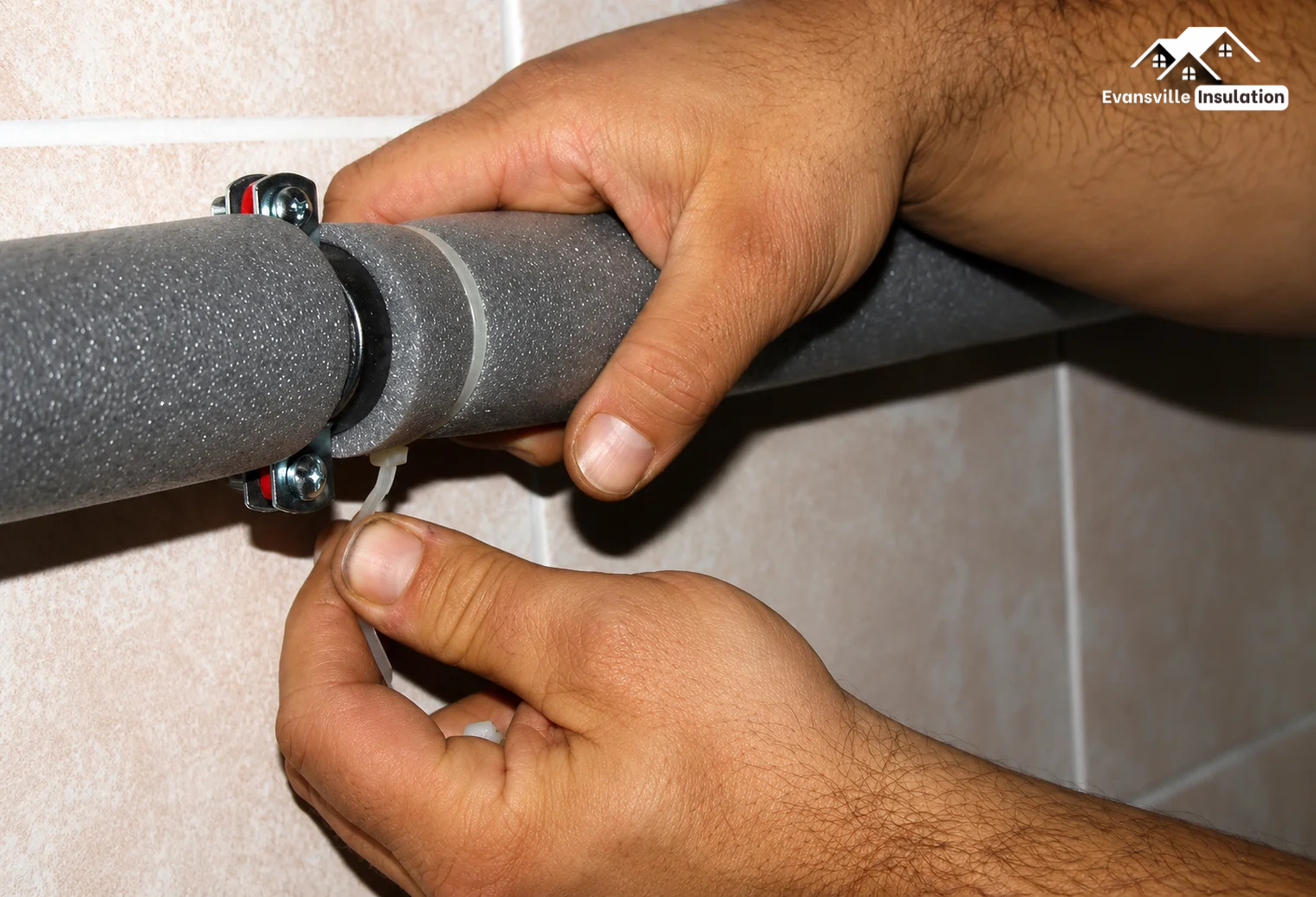
Insulation isn't just about walls and attics. Exposed plumbing, ductwork, and sealed penetrations can all influence performance. In colder parts of a home, pipe insulation or wrapping can help reduce heat loss and protect vulnerable lines from winter damage. Specialized services like pipe wrapping and pipe boot insulation can be useful.
Small gaps around these areas may seem minor, but they can create drafts, moisture problems, and energy loss over time. Addressing them during a larger insulation project is usually the most efficient approach.
Practical Examples and Real-World Results
Older Homes Often Benefit the Most
Older homes frequently have lower insulation levels than current standards call for. Sometimes, the original insulation has settled, been damaged by moisture, or never covered the full cavity. That means the savings potential can be substantial once the weak points are corrected.
For homeowners in older properties, a combination of attic work, wall upgrades, and air sealing can noticeably improve comfort. The change is often immediate: fewer drafts, more even temperatures, and less equipment cycling.
Commercial and Mixed-Use Spaces Also Lose Money
Poor insulation isn't just a residential issue. Offices, shops, warehouses, and light industrial buildings can also lose money every month if the thermal envelope is weak. Comfort complaints, uneven temperatures, and high utility bills can affect productivity and operating budgets.
In commercial settings, improvements like blown-in insulation or targeted ceiling insulation can help reduce operating costs without major disruption. The best solution depends on the structure, occupancy patterns, and HVAC layout.
Local Climate Makes the Difference More Obvious
Evansville's humid subtropical climate means buildings must handle both summer humidity and winter cold. That combination puts extra pressure on insulation and air sealing systems. Homes that are underinsulated may feel sticky in summer, chilly in winter, and expensive to condition year-round.
Because of those demands, strategic insulation upgrades tend to deliver outsized value. A local contractor can help identify whether the attic, walls, or roof is the biggest source of energy loss.
When to Call a Professional Insulation Contractor
You Need More Than a Quick Patch
DIY fixes can help in some cases, but they aren't always enough. If your home has widespread air leaks, moisture issues, or hard-to-reach cavities, professional installation is usually the safer and more effective option. A trained contractor can identify the root cause rather than treating only the symptoms.
This is particularly important for projects involving blown-in cellulose insulation, spray foam, or attic work where ventilation and safety concerns must be evaluated before installation begins.
Existing Insulation May Be Failing Silently
Insulation can degrade in ways that are hard to see. Settling, pest damage, water intrusion, and poor installation can all reduce its effectiveness. If your home hasn't been evaluated in years, it might be time for a fresh assessment, especially if you've noticed changing energy bills or comfort problems.
A professional review can help determine whether you need an addition, a partial replacement, or a more complete upgrade. Often, the answer isn't a full tear-out, but a targeted improvement in the most vulnerable areas.
Choosing the Right Contractor Matters
The best contractor will explain materials, R-values, installation methods, and expected outcomes in plain language. They should also consider climate, ventilation, moisture control, and the condition of existing insulation. A quality provider won't push one product for every home; instead, they'll recommend the solution that fits your building and budget.
If you're ready to compare options or schedule an assessment, attic insulation, wall insulation, and spray foam insulation are common starting points for homes that need better efficiency and comfort.
FAQ: Common Questions About Insulation and Monthly Savings
How Do I Know If My Home Is Underinsulated?
Common signs include high utility bills, cold floors, uneven room temperatures, drafts, and rooms that never feel quite right. If these issues persist even when your HVAC system is running normally, insulation may be the main problem. A home energy audit can confirm where the weak spots are.
Can I Install Insulation Myself?
Some insulation types, like certain batt products, can be DIY-friendly in simple spaces. However, projects involving attics, air sealing, spray foam, moisture concerns, or difficult cavities often benefit from professional installation. The DOE notes that proper installation is essential to achieving the intended R-value, so expertise matters.
What Is the Most Cost-Effective First Upgrade?
For many homes, attic insulation and air sealing offer the fastest returns because they address major sources of heat loss and gain. That said, the right starting point depends on your home’s condition, age, and layout. A good assessment can prevent wasted spending and help you prioritize improvements in the right order.
Conclusion: Don't Let Bad Insulation Drain Your Budget
Poor insulation can cost you more than you realize. It can raise monthly utility bills, create uneven temperatures, force HVAC equipment to work harder, and reduce overall comfort. The good news? These problems are usually fixable with a thoughtful plan that includes air sealing, correct material selection, and professional installation.
If you see signs of underinsulation, don’t wait until the next extreme season to act. Start with an assessment, find the biggest leaks, and focus on the upgrades that offer the strongest return. Whether the answer is attic insulation, fiberglass insulation, or a complete envelope improvement, the goal is simple: keep more of your money inside your home where it belongs.
Evansville Insulation is here to help property owners improve comfort, reduce waste, and make smarter energy decisions for the long term. Ready to stop losing money every month because of poor insulation? Contact our team and take the first step toward a more efficient home.