How Insulation Problems Can Affect Your Comfort Year-Round
Insulation is a crucial part of keeping your home comfy and energy-efficient, yet it often goes unnoticed. Damaged or outdated insulation can make rooms too hot or cold, increase your utility bills, and even make the air feel stale or dusty. If you're wondering why your home feels inconsistent throughout the seasons, the issue might be lurking in your walls, attic, or crawl spaces.
When comparing options like attic insulation and spray foam insulation, remember, comfort isn't just about your heating and cooling systems. It's about managing heat transfer and air leaks. According to the U.S. Department of Energy, properly installed insulation can significantly cut heating and cooling costs while stabilizing indoor temperatures. Check out their guidance on home insulation at Energy Saver.
In this guide, we'll explain how insulation issues impact comfort year-round, what warning signs to watch for, and which solutions offer lasting improvements. We'll also look at current insulation trends and practical examples, and when it's time to call in a professional insulation contractor.
Why Insulation Problems Affect More Than Energy Bills
Heat Transfer Works Year-Round
Many people think insulation only matters in winter, but it's essential all year. In cold months, weak insulation lets heat escape through attics, walls, ceilings, and floors. In hot months, the same weak spots let heat in, making your cooling system work overtime. This constant exchange makes it tough to keep a comfortable temperature, no matter how much you run your HVAC system.
That's why services like wall insulation and ceiling insulation are so valuable, especially if your home has hot and cold spots. Better insulation reduces the burden on your heating and cooling system, creating a more stable environment.
Air Leaks Amplify the Problem
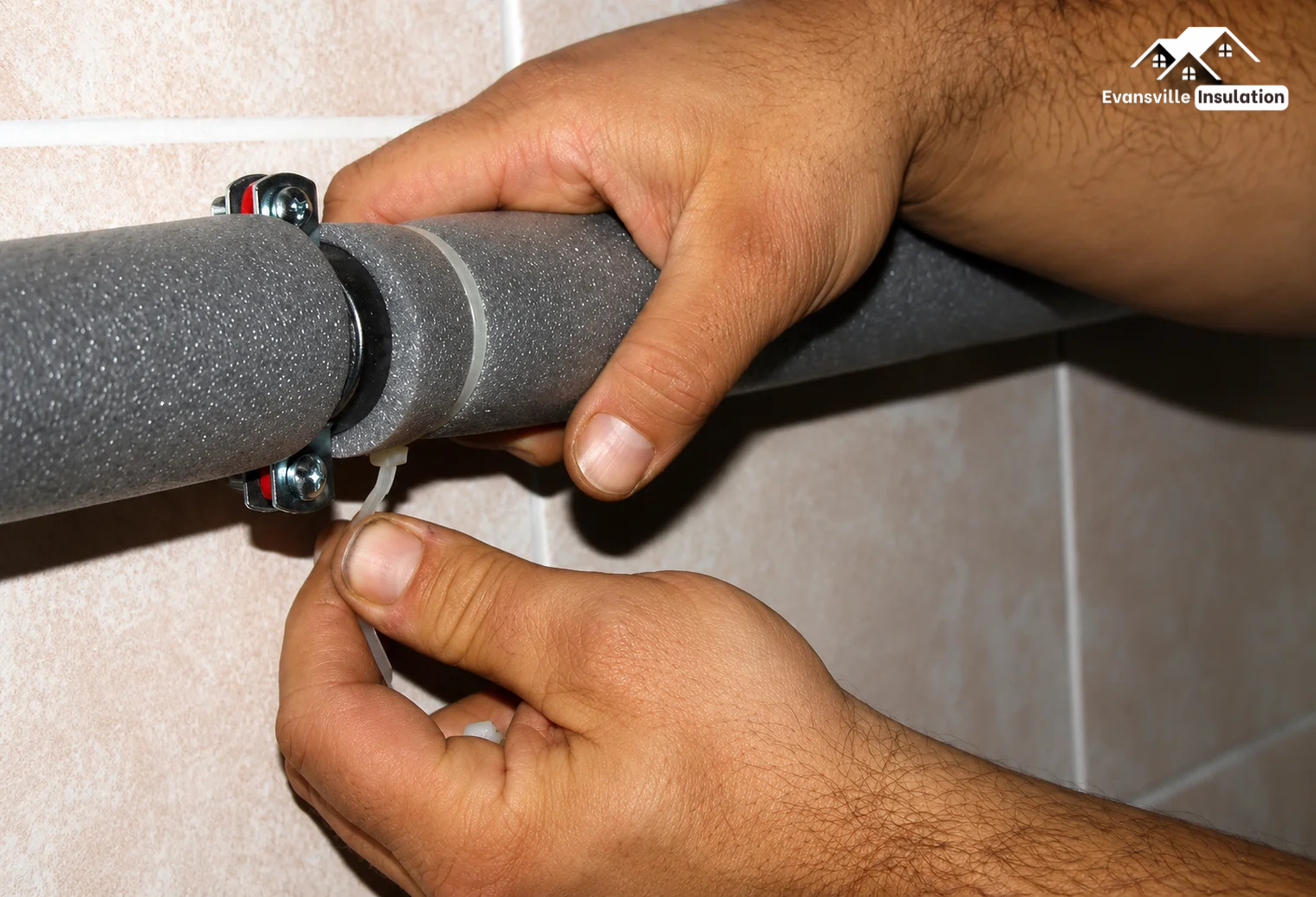
Insulation and air sealing go hand in hand. Even the best insulation can't perform well if air leaks let conditioned air escape or unconditioned air enter. Gaps around plumbing penetrations, attic hatches, duct chases, and exterior joints can all undermine performance. That's why modern best practices focus on both insulation upgrades and sealing weak points.
The Building Performance Association and the U.S. Environmental Protection Agency highlight the importance of whole-home efficiency improvements, which include insulation, air sealing, and ventilation balance. A helpful overview of this approach is available through EPA guidance on energy efficiency and indoor air quality. When air leakage is tackled alongside insulation, comfort improves noticeably and consistently.
Signs Your Insulation Is No Longer Doing Its Job
Uneven Temperatures in Different Rooms
One of the clearest signs of insulation trouble is when rooms feel dramatically different from one another. A bedroom might be too warm while the living room stays cool, or the upstairs might be hotter than the main level. This often points to missing or shifted insulation. It can also indicate that certain rooms are losing or gaining heat faster than the rest of the home.
If this sounds familiar, why your Evansville home has uneven room temperatures is a helpful related read explaining how insulation gaps and airflow problems work together. Often, the fix isn't just adjusting the thermostat. It's improving the thermal boundary so each room holds a more consistent temperature.
Drafts, Cold Floors, and Uncomfortable Walls
Drafts can make a home feel much colder than the thermostat suggests. You might notice cold floors in winter, especially above uninsulated crawl spaces or poorly insulated basements. Cold spots on exterior walls or near ceilings often mean the insulation is thin, deteriorated, or missing. These problems might make you reach for extra blankets in winter or crank the AC in summer.
If drafts are a concern, why your home feels drafty and how to fix it explains how hidden air leakage and insulation issues combine to create discomfort. A professional assessment can reveal whether the issue is insulation-related, air-sealing related, or both.
Higher Energy Use Without Better Comfort
If your utility bills keep rising but your home still doesn't feel comfortable, insulation might be the culprit. Poor insulation forces heating and cooling systems to cycle more often and for longer periods, leading to energy waste without delivering the comfort you expect. The system works harder, but the living space still feels uneven or difficult to control.
The U.S. Department of Energy notes that up to 20% of heating and cooling costs can be reduced with proper insulation and air sealing in the right conditions. That makes insulation a practical investment for both comfort and long-term savings. It's why homeowners often start with an energy audit or professional inspection before choosing a repair plan.
How Winter Comfort Suffers When Insulation Is Weak
Heat Rises and Escapes Through the Attic
In winter, attic performance becomes especially important. Warm air naturally rises, and without enough insulation, it can escape into the attic and through the roof. That loss forces the furnace to run more often, leaving the home feeling less cozy and balanced. Bedrooms on upper floors may cool quickly, while lower rooms never seem to warm up fully.
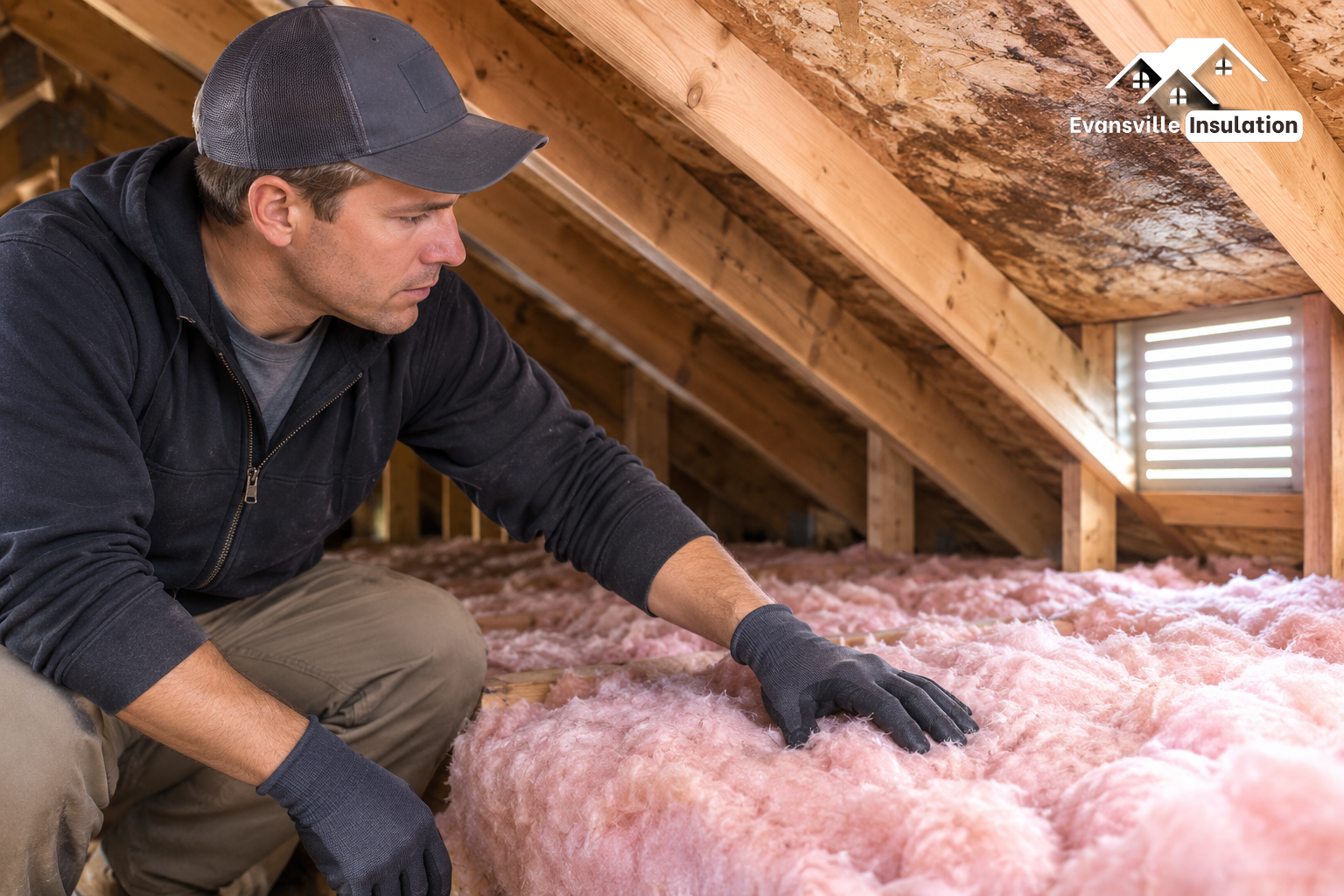
Upgrading to modern attic insulation is one of the best ways to improve winter comfort. Many homes built before 1980 have insulation levels that don't meet current standards, so even a modest upgrade can make a noticeable difference. In some cases, adding insulation also helps reduce ice dam risk by improving temperature balance across the roof.
Cold Spots and Moisture Concerns
When insulation is inadequate, some surfaces stay colder than others. This can create discomfort and contribute to condensation on windows, walls, and other cold surfaces. Over time, moisture can encourage mold growth or damage building materials. This is one reason insulation isn't just a comfort issue; it's also about building health.
The right solution depends on where the heat loss is happening. For areas with irregular framing or hard-to-reach cavities, blown-in insulation or blown-in cellulose insulation can help fill gaps more effectively than older methods. These materials can reduce air movement through hard-to-seal spaces and provide a more continuous thermal barrier.
How Summer Heat Exposure Reveals Insulation Weaknesses
Hot Ceilings and Overheated Upstairs Rooms
Summer comfort problems often mirror winter issues. When the sun beats down on the roof, heat can move through a weak attic system and into the rooms below. This is why top floors and rooms under the roof often become hotter than the rest of the house. The air conditioning runs longer and works harder, sometimes without fully solving the discomfort.
A strong attic strategy can make a big difference in both summer and winter. If the attic is under-insulated or poorly sealed, even a powerful AC system may struggle on the hottest days. This is where roof insulation can be beneficial, especially when the building design requires more targeted thermal control near the roof.
Humidity Feels Worse When Insulation and Air Sealing Are Weak
Comfort isn't just about temperature. It's also about humidity control. In humid weather, a home with insulation problems can feel sticky, stuffy, or hard to cool down. When warm outside air leaks in, it brings moisture with it, increasing the load on the cooling system. That can leave rooms feeling clammy even when the thermostat seems right.
Spray foam is often chosen in these situations because it combines insulation with air sealing. It's especially useful in areas where gaps, penetrations, and irregular framing make it tough to create a consistent barrier. For many homeowners, spray foam insulation offers a noticeable improvement in both temperature stability and moisture resistance.
Insulation Materials and Methods That Improve Year-Round Comfort
Fiberglass and Cellulose for Reliable Coverage
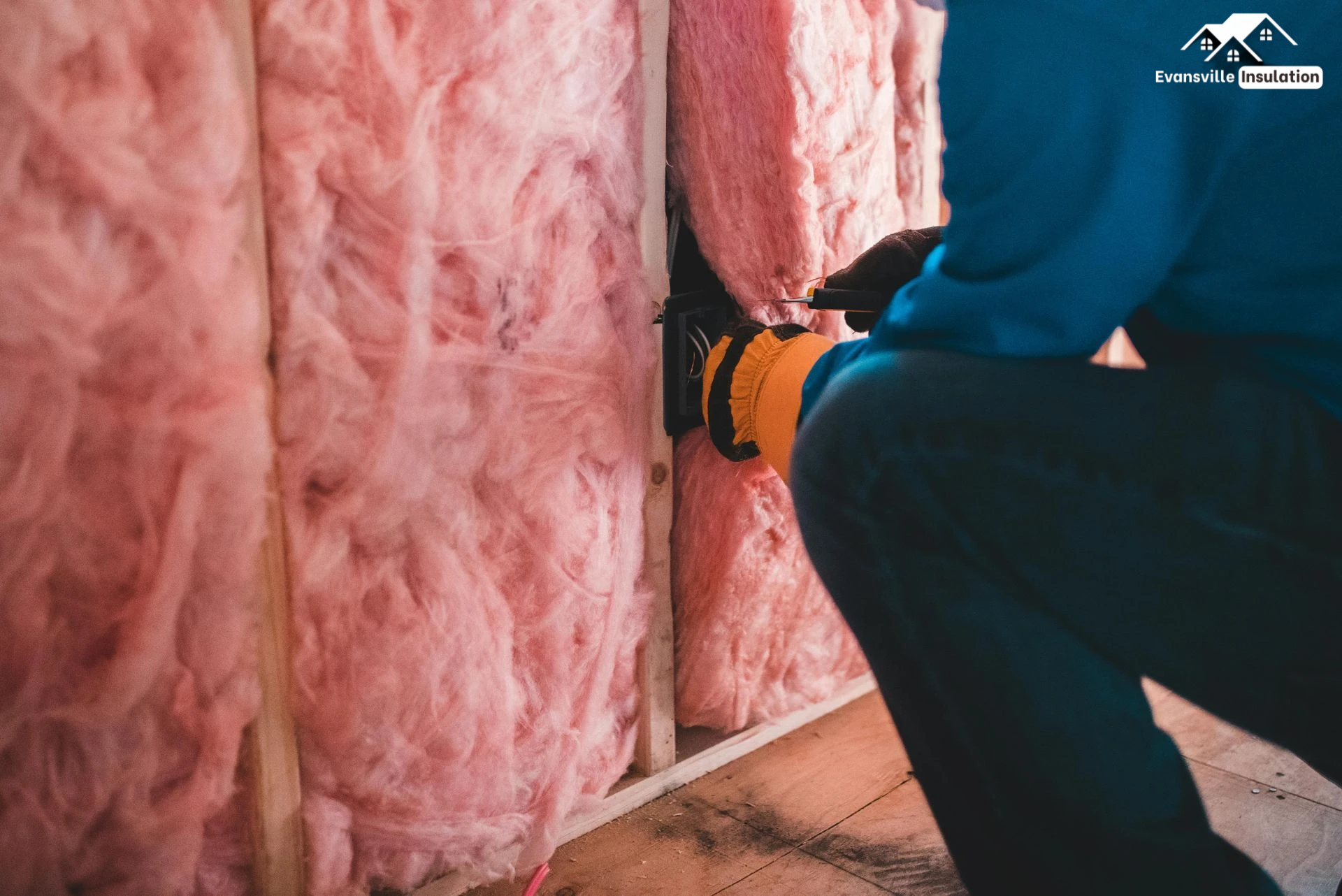
Fiberglass and cellulose remain popular because they provide reliable thermal performance in many applications. Fiberglass insulation works well in attics, walls, and ceilings when properly installed and kept at the right depth. Cellulose, especially blown-in cellulose, is excellent for filling small voids and reaching areas where traditional batts may leave gaps. Both options can improve comfort when matched to the right part of the home.
Choosing between them usually comes down to the home’s age, layout, budget, and performance goals. A professional installer can determine whether the existing cavities are best suited to dense-pack cellulose, fiberglass batts, or a combination of materials. For many homes, a hybrid approach gives the best balance of cost and performance.
Spray Foam for Sealing and Insulating at Once
One of the biggest insulation trends recently is the shift towards systems that do more than slow heat transfer. Spray foam insulation has gained popularity because it expands to fill gaps, reduce drafts, and provide strong thermal resistance. This is especially useful in attics, rim joists, crawl spaces, and other areas where air leakage is a major problem.
Industry resources like HVAC.com’s insulation overview note the growing emphasis on combining insulation with air sealing. That integrated approach is now considered a best practice in many building science discussions. Instead of treating insulation and air sealing as separate problems, it addresses both heat flow and air movement at the same time.
Sound Control as a Comfort Benefit
Comfort isn't limited to temperature and energy use. Noise can also affect how comfortable a home feels throughout the year. Insulation that helps reduce sound transmission can make bedrooms quieter, home offices more productive, and shared walls less disruptive. This is especially helpful in multi-level homes or properties with busy streets nearby.
When noise is a concern, sound insulation can improve day-to-day comfort while still supporting thermal performance. In many cases, homeowners are surprised by how much calmer the space feels after a well-planned upgrade.
What Insulation Problems Can Do to Your HVAC System
More Runtime and More Wear
When the building envelope is weak, the HVAC system has to work harder. That means longer run times, more frequent cycling, and greater wear on motors, compressors, fans, and other components. Over time, this can shorten equipment life and lead to more repair calls. Even a high-efficiency system can't perform at its best if conditioned air is constantly escaping or outdoor air is constantly entering.
This is why many contractors recommend handling wall insulation or attic improvements before replacing HVAC equipment. If the home is losing too much conditioned air, a new furnace or air conditioner may not deliver the comfort upgrade you expect. Improving the shell first often provides a better return on investment.
Less Consistent Airflow and Temperature Balance
Insulation problems can throw off airflow balance, especially in homes with multiple stories or additions. Some registers may feel underpowered because the system is trying to serve spaces with very different heat loads. The result is often a house that seems difficult to regulate, no matter how the thermostat is programmed.
That's why energy audits and professional inspections often include insulation checks, duct observations, and air leakage testing. If the building shell is improved first, HVAC balancing often becomes much easier. Homeowners then enjoy steadier temperatures and fewer hot or cold rooms throughout the year.
A Real-World Example of Comfort Improvement After an Insulation Upgrade
Older Homes Often Have Hidden Deficiencies
Homes built decades ago commonly have insulation levels below modern standards. In those homes, the attic may be thinly insulated, walls may have incomplete coverage, and air leakage may be widespread. The occupant may not notice the problem at first, especially if heating and cooling equipment has always been adjusted around the discomfort. But once the insulation is upgraded, the difference can be dramatic.
One common example comes from homeowners who upgrade attic insulation and seal obvious bypasses around penetrations. After the work is done, they often report steadier indoor temperatures, fewer drafts, and lower bills. A local homeowner in the region described the experience as finally being able to keep the upstairs comfortable without constantly adjusting the thermostat. That kind of change is common when the real problem isn't the HVAC system, but the building envelope.
Local Climate Makes the Issue More Noticeable
In climates with hot summers and cold winters, like southwestern Indiana, insulation performance matters even more because the home has to perform in two extreme conditions. A weak attic in July can make upstairs rooms miserable. The same attic in January can let expensive heated air escape. That's why year-round comfort depends on insulation that can handle both seasonal demands.
For homeowners in the area, working with an experienced insulation contractor in Evansville can help identify the best solution for the property type, age, and comfort goals. The right recommendation is rarely one-size-fits-all, especially in older homes with multiple layers of renovations.
How to Know When It's Time for an Insulation Upgrade
Start with a Visual and Comfort Check
A simple first step is to walk through your home and note where discomfort shows up. Pay attention to temperature differences between rooms, cold floors, hot ceilings, drafts, and areas that never feel right no matter the season. Then look for visible signs such as compressed insulation, gaps around fixtures, or evidence of moisture. These clues often point to where the biggest performance losses are happening.
If your concern is concentrated in a specific area, such as the upper level or the attic, that may narrow the solution quickly. In some cases, adding insulation is enough. In others, a combination of insulation, air sealing, and ventilation improvements provides the best result.
Consider the Age of the Home and Past Upgrades
Homes built before modern building codes are often the best candidates for insulation improvements. Even homes that have had some upgrades may still have hidden weak spots, especially if additions, renovations, or patch repairs were done over time. It's common to find one part of the home insulated well and another part nearly untouched.
That's where a whole-home approach matters. Instead of solving one symptom at a time, a contractor can identify the areas that drive the biggest comfort losses and prioritize them. This often leads to a more cost-effective and durable improvement plan.
Frequently Asked Questions About Insulation and Comfort
How Do I Know If My Home Needs More Insulation?
Common signs include uneven room temperatures, drafts, high utility bills, and visible gaps or worn insulation in the attic or walls. If your HVAC system seems to run constantly but comfort still feels inconsistent, insulation should be part of the investigation. A professional inspection can confirm where the weak points are.
What Type of Insulation Is Best for My Home?
The best insulation depends on your climate, home design, budget, and the area being treated. Fiberglass is dependable in many standard applications, cellulose is helpful for dense coverage and gap filling, and spray foam excels where air sealing is a priority. A tailored recommendation is usually better than choosing a material based on popularity alone.
Can I Install Insulation Myself?
DIY insulation is possible in some situations, but performance depends heavily on proper installation. If insulation is compressed, uneven, or installed without correcting air leaks, the results may be disappointing. Professional installation also helps ensure code compliance and better long-term performance.
Does Insulation Really Help Indoor Air Quality?
Yes, it can. By reducing drafts and uncontrolled air leakage, insulation helps limit the movement of dust, moisture, and outdoor pollutants into the home. When paired with proper ventilation, insulation can contribute to a healthier indoor environment and a more stable living space.
Why Professional Installation Matters
Better Materials Are Only Part of the Solution
Even the best insulation product will underperform if it is installed poorly. Gaps, voids, compression, and untreated air leaks can all reduce effectiveness. That is why professional installers focus on the entire system, not just the material itself. They look at the attic, walls, roofline, penetrations, and existing thermal boundaries before recommending a plan.
For homeowners who want a more complete solution, combining blown-in cellulose insulation with targeted air sealing can be especially effective. In older homes, this type of upgrade often delivers more comfort improvement than replacing mechanical equipment alone.
Long-Term Value Comes from the Full Building Envelope
Professional insulation work is an investment in comfort, energy savings, and building durability. It can also support quieter living spaces, reduced HVAC strain, and more consistent temperatures through changing seasons. While the upfront cost varies by project, many homeowners find that the ongoing savings and comfort improvements justify the expense over time.
In Evansville, the average insulation service cost can range from about $1 to $5 per square foot, with a midpoint near $3 depending on the material and scope. Those numbers make it easier to budget, but the real value is often measured in how much better the home feels every day. If you are comparing options or planning a home upgrade, a professional evaluation can help you choose the most effective path.
Take the Next Step Toward Year-Round Comfort
Insulation problems can quietly affect nearly every part of home comfort. They can make winter feel colder, summer feel hotter, and every month more expensive to manage. They can also affect humidity, indoor air quality, and the workload on your HVAC system. The good news is that these issues are often fixable once the real source of the problem is identified.
If you are noticing drafts, hot upstairs rooms, cold floors, or energy bills that keep climbing, now is the right time to act. A thoughtful upgrade can make your home steadier, quieter, and more efficient all year long. To learn more about the right solution for your property, explore our services or connect with Evansville Insulation for expert guidance. You can also review current building science recommendations through the U.S. Department of Energy and start planning your next comfort improvement today.